
Anúncios
Training your pet can transform your daily routine and strengthen the bond you share. Stubborn behaviors don’t have to be permanent—with the right approach, every animal can learn.


Every pet owner has experienced moments of frustration when their furry companion refuses to listen. Whether it’s a dog who won’t stop barking, a cat scratching furniture, or a puppy having accidents indoors, these stubborn behaviors can test even the most patient owner. The good news is that animal training isn’t just about correcting bad habits—it’s about building communication, trust, and mutual understanding.
Anúncios
Modern pet training has evolved far beyond outdated punishment-based methods. Today’s approach focuses on positive reinforcement, consistency, and understanding animal psychology. This comprehensive guide will walk you through proven techniques to transform your pet’s behavior while strengthening your relationship. From understanding why animals develop stubborn habits to implementing effective training strategies, you’ll discover everything needed to create a harmonious home environment. 🐾
Why Do Pets Develop Stubborn Behaviors?
Understanding the root causes of stubbornness is the first step toward effective training. Animals don’t misbehave out of spite or revenge—these are human concepts that don’t apply to pet psychology. Instead, problematic behaviors typically stem from natural instincts, learned patterns, or unmet needs.
Anúncios
Dogs and cats are intelligent creatures who quickly learn which behaviors earn them rewards, even if those rewards aren’t what we intend. When a puppy jumps on visitors and receives excited attention, they’re learning that jumping equals positive interaction. Similarly, when a cat meows persistently at 5 AM and gets fed to stop the noise, they’ve successfully trained their owner rather than the other way around.
Environmental factors also play a crucial role. Pets experiencing anxiety, boredom, insufficient exercise, or lack of mental stimulation often develop behaviors that owners perceive as stubbornness. A dog who destroys furniture isn’t being spiteful—they’re likely dealing with separation anxiety or excess energy with nowhere to go.
Common Misconceptions About Pet Stubbornness
Many pet owners mistakenly believe their animals are deliberately disobedient or attempting to establish dominance. The outdated “alpha dog” theory has been debunked by modern animal behaviorists, yet it still influences how people interact with their pets. This misconception can lead to harsh training methods that damage the human-animal bond rather than strengthen it.
Another common belief is that certain breeds are simply untrainable. While breed characteristics do influence temperament and learning style, every healthy animal can be trained with appropriate methods. Some may require more patience, creativity, or specialized approaches, but stubbornness is rarely about inability—it’s usually about motivation and communication.
The Foundation of Effective Animal Training 🎯
Successful pet training rests on several fundamental principles that apply across species and situations. Before diving into specific techniques, establishing these core concepts will dramatically improve your results and make the process more enjoyable for both you and your pet.
Consistency ranks as the most critical factor in any training program. Animals learn through repetition and pattern recognition, so mixed signals confuse them and slow progress. When everyone in the household enforces different rules or responds differently to the same behavior, your pet receives contradictory information that makes learning nearly impossible.
Timing is equally essential. Animals associate consequences with actions that occurred within approximately 1-2 seconds. This means rewards or corrections must happen immediately to be effective. Praising your dog five minutes after they sat on command teaches them nothing about sitting—they’ll associate the reward with whatever they’re doing at that moment instead.
Positive Reinforcement: The Science Behind It
Positive reinforcement means adding something pleasant immediately after a desired behavior to increase the likelihood that behavior will repeat. This approach is backed by decades of psychological research and has proven more effective and humane than punishment-based methods. When your cat uses the scratching post instead of furniture, immediate praise or a treat creates a positive association that encourages repetition.
The beauty of positive reinforcement lies in its versatility. Rewards can include treats, toys, play, verbal praise, petting, or access to desired activities. Different animals and individuals find different rewards motivating, so discovering what your pet values most is part of the training journey.

Starting Your Training Journey: Essential First Steps
Beginning a training program can feel overwhelming, especially if you’re dealing with multiple behavioral issues. The key is to start small, celebrate incremental progress, and build momentum gradually. Attempting to fix everything at once typically leads to frustration and inconsistency.
Choose one specific behavior to address initially—preferably something manageable rather than your pet’s most challenging issue. Early success builds confidence for both trainer and animal, creating positive momentum. For example, if your dog won’t come when called, jumps on guests, and pulls on the leash, start with basic attention exercises before tackling the more complex behaviors.
Creating the Right Training Environment
Environmental setup significantly impacts training success. Begin in a quiet, distraction-free space where your pet can focus entirely on you and the task at hand. As they master each skill, gradually introduce distractions to build reliability in real-world situations.
Keep training sessions short but frequent. Most animals maintain optimal focus for only 5-15 minutes, depending on age and temperament. Multiple brief sessions throughout the day produce better results than one marathon session that leaves everyone exhausted and frustrated. Puppies and kittens especially need frequent breaks to process what they’re learning.
Tackling Specific Stubborn Behaviors 💪
While general principles apply universally, different problematic behaviors require tailored approaches. Understanding the specific function each behavior serves for your pet helps you address the underlying cause rather than just suppressing symptoms.
Excessive Barking or Vocalization
Dogs bark for many reasons—alerting to threats, seeking attention, expressing excitement, or responding to boredom. Cats similarly vocalize to communicate needs or discomfort. Simply punishing the noise without addressing why it’s happening rarely produces lasting results.
For attention-seeking vocalization, the solution involves rewarding quiet behavior while completely ignoring the unwanted noise. This means no eye contact, no verbal corrections, and no interaction whatsoever when your pet makes noise. The moment they’re quiet, even for a second, immediately reward them. Over time, they learn that silence earns attention while noise is ignored.
Alert barking requires a different approach. Teaching a “quiet” command allows you to acknowledge your dog’s alert while controlling the duration. First, allow a few barks, then say “quiet” and reward silence. This respects their natural guarding instinct while establishing boundaries.
House Training Challenges
Accidents indoors frustrate owners tremendously, but punishment after the fact accomplishes nothing except creating anxiety. Remember the timing principle—your pet can only learn from immediate consequences. Discovering an accident and scolding your pet teaches them to fear your reaction to waste, not to avoid eliminating indoors.
Successful house training relies on management and prevention. Take your pet to the designated elimination spot frequently—after meals, naps, play sessions, and every 1-2 hours for puppies. When they eliminate in the correct location, provide enthusiastic praise and high-value rewards. If accidents happen, simply clean them thoroughly with enzymatic cleaners and increase supervision.
Leash Pulling and Walk Struggles
Pulling on leash stems from the simple fact that dogs walk faster than humans and find the outdoor environment incredibly stimulating. When pulling successfully moves them forward toward interesting things, the behavior reinforces itself with every walk.
The solution requires patience and consistency: whenever the leash becomes taut, stop moving entirely. Stand still like a tree until your pet releases tension on the leash. The moment slack returns, resume walking. This teaches that pulling stops all progress while a loose leash keeps the walk moving. Initially, walks will be slow and choppy, but persistence pays off as your pet learns the new rule.
Advanced Training Techniques for Persistent Issues
Some behaviors require more sophisticated approaches beyond basic positive reinforcement. These advanced techniques build on foundational principles while addressing complex or deeply ingrained habits.
Capturing and Shaping Behavior
Capturing means rewarding behaviors your pet naturally offers. If you want to teach “down” but your dog hasn’t grasped it yet, simply reward them every time they lie down on their own. Eventually, they’ll increase the frequency of lying down because it predicts rewards, at which point you can add the verbal cue.
Shaping involves rewarding successive approximations toward a final goal. Teaching a dog to ring a bell to go outside might start by rewarding any attention toward the bell, then touching it, then making it move, and finally producing sound. Each small step receives reinforcement until the complete behavior emerges.
Redirecting Unwanted Behaviors
Sometimes teaching an incompatible behavior solves the problem more effectively than trying to eliminate the unwanted one. If your dog jumps on guests, teaching them to grab a toy when people arrive makes jumping impossible—they can’t hold a toy and jump simultaneously. This approach channels their excitement into an acceptable outlet rather than simply suppressing it.
For cats scratching furniture, the solution isn’t stopping the scratching instinct but redirecting it to appropriate surfaces. Place attractive scratching posts near furniture they target, reward their use enthusiastically, and make furniture temporarily unappealing with double-sided tape or protective covers.
The Role of Mental Stimulation and Physical Exercise 🧠
Behavioral problems often disappear or dramatically improve when pets receive adequate mental and physical enrichment. A tired, mentally satisfied animal has significantly less energy for mischief and experiences lower stress levels overall.
Physical exercise requirements vary by species, breed, age, and individual temperament. High-energy working breeds need substantially more activity than companion breeds developed for cuddling. However, all animals benefit from regular exercise appropriate to their capabilities. Daily walks, play sessions, or interactive games prevent boredom-related behavioral issues.
Mental stimulation proves equally important and often overlooked. Puzzle toys, training sessions, scent work, and novel experiences challenge your pet’s brain and provide satisfaction beyond physical tiredness. A 15-minute training session can mentally exhaust a dog more than an hour-long walk, making mental enrichment an efficient behavioral management tool.
Understanding Individual Learning Styles
Just as humans learn differently, individual animals have preferences and strengths. Some dogs are highly food-motivated and learn quickly with treat rewards, while others prefer play or praise. Observing what genuinely excites your pet helps you select the most effective motivators.
Some animals are confident and bold, approaching new challenges enthusiastically. Others are cautious and need more time to process information before attempting new behaviors. Sensitive pets may shut down with too much pressure, while confident ones might need firmer boundaries. Adapting your training style to your pet’s personality accelerates progress and reduces stress for everyone involved.
Age-Related Training Considerations
Puppies and kittens possess incredible learning capacity but limited attention spans and impulse control. Training young animals requires extra patience, very short sessions, and management to prevent practicing unwanted behaviors. The critical socialization period before 16 weeks for dogs and 8 weeks for cats shapes lifelong behavior patterns, making early positive experiences crucial.
Adult animals can absolutely learn new behaviors, despite the old saying about old dogs. However, changing established habits takes longer than teaching from scratch. Adult pet training requires consistency and may need higher-value rewards to overcome ingrained patterns. Senior pets may face physical limitations or cognitive changes that require adjustments to training methods, but they still benefit from mental stimulation and behavior work.
Common Training Mistakes to Avoid ⚠️
Even well-intentioned owners make errors that undermine training progress. Recognizing these common pitfalls helps you avoid frustration and wasted effort.
Inconsistency tops the list of training saboteurs. Allowing behavior sometimes but not others creates confusion. If your dog isn’t allowed on furniture, they can never be on furniture—not even “just this once” when you’re feeling affectionate. Every exception teaches them that rules are negotiable.
Using punishment inappropriately damages trust and often worsens problems. Yelling at a dog who’s already anxious increases their anxiety, potentially intensifying the behavior you’re trying to stop. Physical corrections risk creating fear-based aggression or learned helplessness where pets simply shut down.
Moving too quickly through training stages causes confusion and regression. If your dog sits reliably in the quiet living room but ignores the command at the dog park, they haven’t truly learned it yet—you’ve simply practiced it in one limited context. Gradually increasing difficulty ensures solid understanding before adding challenges.
When to Seek Professional Help
Some situations exceed the scope of typical owner-led training and require professional intervention. Recognizing when you need help prevents problems from escalating and ensures your pet receives appropriate support.
Aggression toward people or other animals always warrants professional assessment. Bites can cause serious injury and carry legal consequences, and aggression typically worsens without proper intervention. Certified animal behaviorists or veterinary behaviorists can evaluate the underlying causes and create safe management and modification plans.
Severe anxiety, including separation anxiety causing destructive behavior or self-injury, benefits from professional guidance. These complex issues often require a combination of behavioral modification, environmental management, and potentially medication. A qualified professional can develop a comprehensive treatment plan addressing all aspects of the problem.
Finding Qualified Trainers and Behaviorists
The pet training industry remains largely unregulated, meaning anyone can claim to be a trainer regardless of education or experience. Look for professionals with certifications from reputable organizations that require continuing education and adherence to ethical standards emphasizing positive reinforcement methods.
Red flags include trainers who guarantee results, use terms like “dominance” or “alpha,” recommend punishment-based tools like shock collars, or refuse to explain their methods clearly. Quality professionals welcome questions, explain the science behind their approaches, and prioritize the animal’s emotional wellbeing alongside behavioral change.
Maintaining Progress and Preventing Relapse
Successfully changing behavior represents just the beginning—maintaining those changes requires ongoing effort. Many owners relax their training once problems resolve, only to see old habits gradually return. Understanding how to preserve progress prevents frustration and backsliding.
Continue reinforcing desired behaviors even after they become reliable. You can reduce reward frequency using a variable reinforcement schedule, where rewards come unpredictably rather than every time. This actually strengthens behavior more than continuous reinforcement, creating habits highly resistant to extinction.
Life changes can trigger behavioral regression. Moving to a new home, adding family members, schedule changes, or other stressors may cause previously resolved issues to resurface. Recognizing this as normal helps you respond calmly by temporarily increasing management and returning to more frequent reinforcement until your pet adjusts.
Building a Lasting Bond Through Training ❤️
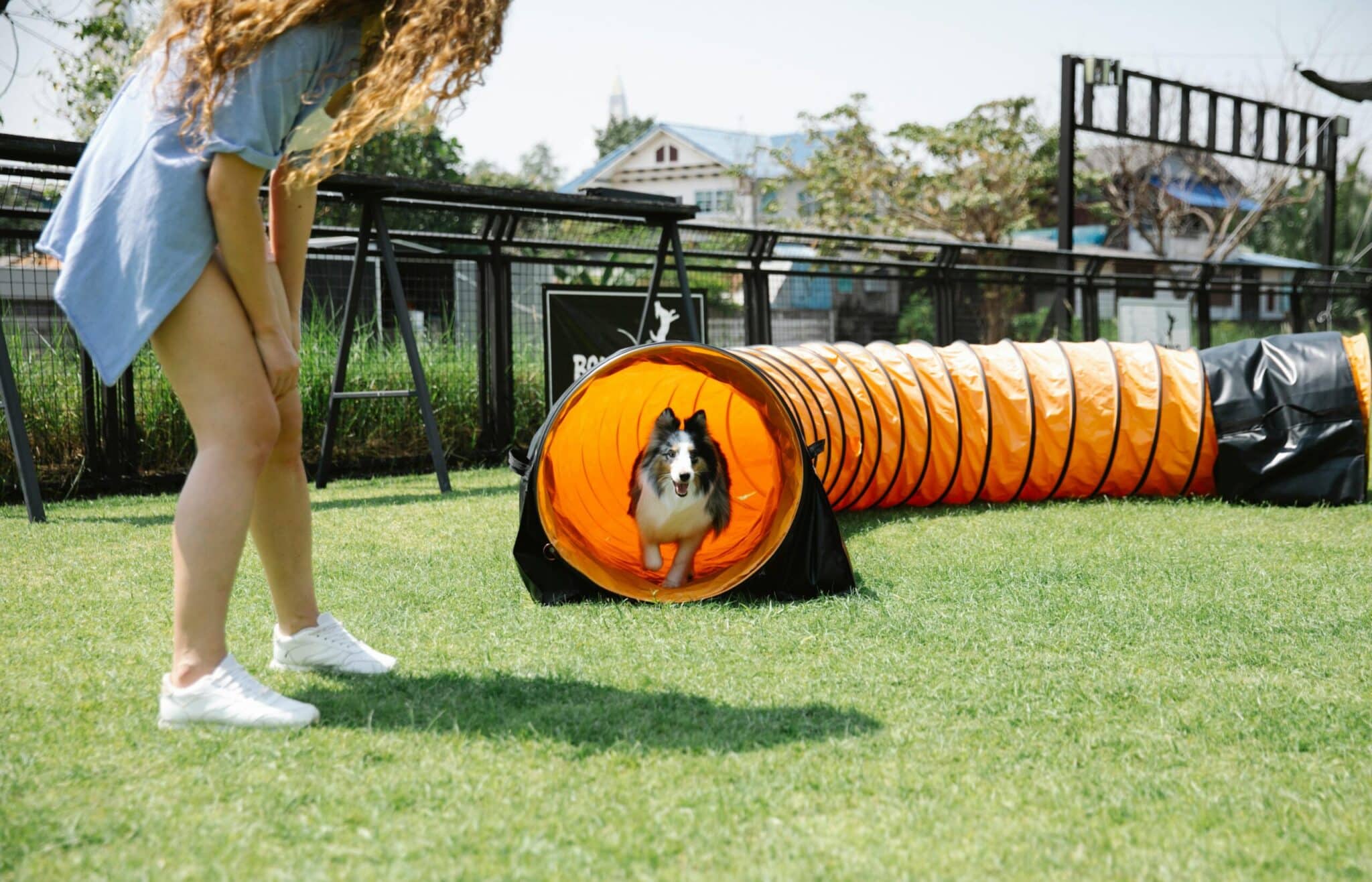
The greatest benefit of training extends beyond eliminating annoying behaviors—it’s the deepened relationship between you and your pet. Working together toward shared goals builds trust, improves communication, and creates positive associations with your presence.
Training sessions become quality time where your pet receives your undivided attention doing something enjoyable together. This regular positive interaction strengthens your bond and makes your pet more attentive and responsive in all situations. Animals who trust their owners and understand clear communication feel more secure and confident overall.
Viewing stubborn behaviors as communication rather than defiance transforms your perspective. Your pet isn’t trying to frustrate you—they’re either practicing behaviors that have worked previously, responding to instincts, or attempting to communicate unmet needs. Approaching training with curiosity and patience rather than anger makes the journey more pleasant and effective.
Celebrating Small Victories and Staying Motivated
Behavior change takes time, and progress rarely follows a straight line. Some days will show remarkable improvement while others feel like you’re starting over. This normal pattern of two steps forward and one step back requires resilience and perspective.
Documenting progress helps maintain motivation during challenging phases. Keep a training journal noting successes, setbacks, and patterns you notice. Video recording practice sessions lets you see improvement that might not be obvious day-to-day. Celebrating small wins—your dog sitting for three seconds instead of one, your cat using the scratching post twice today—acknowledges genuine progress even when the ultimate goal remains distant.
Remember that training is a lifelong journey rather than a destination. Even perfectly trained pets benefit from regular practice, new challenges, and continued enrichment. Embracing this ongoing process rather than viewing it as temporary work reduces pressure and helps you enjoy the experience of growing and learning alongside your companion.
Transforming your pet’s stubborn behaviors into cooperation and understanding requires patience, consistency, and the right approach. By focusing on positive reinforcement, understanding your pet’s individual needs, and maintaining clear communication, you’ll not only eliminate frustrating habits but also build a stronger, more fulfilling relationship. Every interaction becomes an opportunity for learning and connection when approached with compassion and informed technique. Your pet wants to succeed—they just need you to show them how in a language they can understand. 🐕🐈
