
Anúncios
Managing your blood sugar levels effectively is one of the most important steps toward living a healthier, more balanced life, especially if you’re dealing with diabetes or prediabetes.


Understanding how glucose works in your body and why it matters can be a game-changer. It’s not just about avoiding sugar or taking medication—it’s about adopting a lifestyle that supports stable energy, better mood, and long-term wellness.
Anúncios
Whether you’ve been recently diagnosed or you’re simply looking to prevent future complications, learning how to keep your glucose in check will empower you to take control of your health with confidence and clarity. 🌿
Why Keeping Your Glucose Levels Stable Matters
Your blood sugar, or glucose, is the primary fuel your body uses for energy. It comes from the foods you eat, particularly carbohydrates, and is regulated by insulin, a hormone produced by your pancreas. When this system works smoothly, you feel energized, focused, and physically well.
Anúncios
However, when glucose levels swing too high or too low, it can lead to a range of uncomfortable and even dangerous symptoms. High blood sugar over time damages blood vessels, nerves, and vital organs like your kidneys, heart, and eyes. Low blood sugar, on the other hand, can cause dizziness, confusion, and in severe cases, loss of consciousness.
Maintaining balanced glucose levels isn’t just about avoiding diabetes complications—it’s about feeling your best every single day. Stable glucose means better mental clarity, sustained energy throughout the day, improved sleep quality, and a reduced risk of chronic diseases. 💡
Understanding the Different Types of Glucose Readings
When managing glucose, it’s essential to understand what the numbers mean and when to check them. Different readings give you different insights into how your body is handling sugar at various times of the day.
Fasting blood glucose is measured after you haven’t eaten for at least 8 hours, usually first thing in the morning. This number shows how well your body regulates glucose overnight. A normal fasting glucose level is typically between 70 and 99 mg/dL.
Postprandial glucose, or after-meal readings, are taken about two hours after eating. They help you understand how your body responds to food. Ideally, this should be below 140 mg/dL for non-diabetics and under 180 mg/dL for those managing diabetes.
HbA1c is a longer-term measure that reflects your average blood sugar over the past two to three months. It’s a critical marker for assessing overall glucose control and is usually tested during regular checkups. An HbA1c below 5.7% is considered normal, while 5.7% to 6.4% indicates prediabetes, and 6.5% or higher suggests diabetes.
Foods That Help You Keep Glucose Under Control 🥗
What you eat plays a massive role in how your blood sugar behaves throughout the day. Choosing the right foods can prevent spikes, provide lasting energy, and support metabolic health.
Whole grains like oats, quinoa, barley, and brown rice are rich in fiber, which slows down the absorption of sugar into your bloodstream. This prevents rapid spikes and keeps you fuller for longer.
Leafy greens and non-starchy vegetables such as spinach, kale, broccoli, and bell peppers are low in carbohydrates and packed with vitamins, minerals, and antioxidants. They’re excellent for stabilizing glucose while nourishing your body.
Lean proteins including chicken, turkey, fish, tofu, and legumes help balance blood sugar by slowing digestion and reducing the glycemic impact of your meals. Pairing carbs with protein is a smart strategy for glucose control.
Healthy fats from sources like avocados, nuts, seeds, and olive oil also slow down carbohydrate absorption and provide essential nutrients that support overall health and hormone balance.
Avoid or limit highly processed foods, sugary drinks, white bread, pastries, and fried items. These cause rapid blood sugar spikes followed by crashes, leaving you tired and craving more sugar—a vicious cycle that’s hard to break.
The Role of Physical Activity in Glucose Management 🏃♀️
Exercise is one of the most effective natural tools for controlling blood sugar. When you move your body, your muscles use glucose for energy, which helps lower blood sugar levels both immediately and over time.
Regular physical activity also increases insulin sensitivity, meaning your cells become better at using available insulin to absorb glucose. This is especially beneficial for people with insulin resistance or type 2 diabetes.
You don’t need to spend hours at the gym to see benefits. Even moderate activities like brisk walking, swimming, cycling, or dancing for 30 minutes most days of the week can make a significant difference. Strength training is also highly effective, as building muscle mass helps your body use glucose more efficiently.
Consistency is more important than intensity. Find activities you enjoy and can stick with long-term. Remember to monitor your glucose before and after exercise, especially if you’re on medication, to avoid hypoglycemia.
How Stress and Sleep Affect Your Blood Sugar
Many people don’t realize that stress and poor sleep can wreak havoc on glucose levels. When you’re stressed, your body releases cortisol and adrenaline, hormones that increase blood sugar to give you quick energy for a “fight or flight” response.
Chronic stress keeps cortisol elevated, leading to persistently high blood sugar and increased insulin resistance. Over time, this can contribute to weight gain, inflammation, and a higher risk of developing type 2 diabetes.
Sleep deprivation has a similar effect. Studies show that even one night of poor sleep can reduce insulin sensitivity and increase hunger hormones, making you crave sugary, high-carb foods the next day. Long-term sleep issues are strongly linked to metabolic disorders.
To manage stress, consider incorporating relaxation techniques like deep breathing, meditation, yoga, or spending time in nature. Aim for 7 to 9 hours of quality sleep each night by maintaining a consistent sleep schedule, limiting screen time before bed, and creating a calm, dark sleeping environment. 🌙
Medications and Monitoring: When and Why They Matter
If lifestyle changes alone aren’t enough to keep your glucose levels in the target range, medication may be necessary. There are several types of diabetes medications, each working in different ways to help control blood sugar.
Some medications increase insulin production, others improve insulin sensitivity, and some slow down carbohydrate absorption in the gut. Your healthcare provider will determine the best option based on your individual needs, glucose patterns, and overall health.
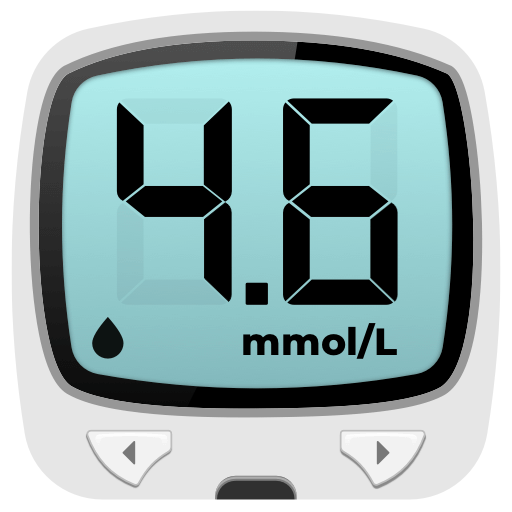
Regular monitoring is essential, whether you’re on medication or not. Home glucose meters and continuous glucose monitors (CGMs) allow you to track your levels in real time, identify patterns, and make informed decisions about food, activity, and medication timing.
Never adjust your medication without consulting your doctor. Consistent communication with your healthcare team ensures your treatment plan remains effective and safe as your body and lifestyle evolve.
Building a Sustainable Routine for Long-Term Success 📅
Managing glucose isn’t about perfection—it’s about consistency and making small, sustainable changes that add up over time. Start by setting realistic goals that fit your lifestyle and gradually build on them as they become habits.
Meal planning can be a game-changer. Preparing healthy meals and snacks in advance reduces the temptation to reach for convenient but unhealthy options when you’re busy or tired. Keep your kitchen stocked with whole foods and minimize the presence of processed snacks.
Tracking your glucose readings, meals, physical activity, and how you feel each day helps you identify what works and what doesn’t. Many apps and tools make this process simple and even motivating by visualizing your progress over time.
Remember to celebrate your wins, no matter how small. Every positive choice you make contributes to better health and a brighter future. Surround yourself with support—whether from family, friends, healthcare professionals, or online communities—to stay motivated and accountable.
Common Myths About Glucose Control Debunked 🧐
There’s a lot of misinformation out there about blood sugar and diabetes. Let’s clear up some of the most common myths that might be holding you back from optimal glucose management.
Myth: People with diabetes can’t eat any sugar or carbs. Truth: You can still enjoy carbohydrates and occasional treats—it’s all about portion control, timing, and balance. Pairing carbs with fiber, protein, and healthy fats helps prevent spikes.
Myth: Only overweight people get type 2 diabetes. Truth: While excess weight is a risk factor, genetics, age, ethnicity, and lifestyle all play a role. Thin people can develop diabetes too.
Myth: Diabetes is not that serious. Truth: Diabetes is a serious condition that requires ongoing management. Left uncontrolled, it can lead to heart disease, kidney failure, blindness, and amputations.
Myth: Natural remedies can cure diabetes. Truth: While some supplements and herbs may support glucose control, there is no cure for diabetes. Medical treatment, lifestyle changes, and monitoring are essential for management.
When to Seek Professional Help and Support
While self-management is crucial, working with healthcare professionals ensures you’re on the right track and catching potential issues early. Regular checkups with your doctor, endocrinologist, or certified diabetes educator are vital.
If you’re experiencing symptoms like excessive thirst, frequent urination, unexplained weight loss, blurred vision, fatigue, or slow-healing wounds, seek medical attention promptly. These could be signs of poorly controlled blood sugar.
Don’t hesitate to ask questions and advocate for yourself. Understanding your condition, treatment options, and the reasons behind recommendations empowers you to be an active participant in your care.
Joining support groups—either in person or online—can also provide emotional support, practical tips, and encouragement from others who understand what you’re going through. You’re not alone on this journey. 💪
Technology and Tools to Make Glucose Management Easier
Modern technology has made managing blood sugar more convenient and accurate than ever before. Continuous glucose monitors (CGMs) track your levels 24/7 and send data to your smartphone, alerting you to highs and lows in real time.
Smart insulin pens and pumps can automate insulin delivery based on your glucose readings, reducing the burden of constant calculations and manual injections. These devices are especially helpful for people with type 1 diabetes or those requiring intensive insulin therapy.
Mobile apps designed for diabetes management allow you to log meals, track activity, monitor glucose trends, set reminders, and even share data with your healthcare team. Many of these tools integrate with wearable devices for seamless tracking.
While technology is incredibly helpful, it’s important to stay engaged and not become overly reliant on automation. Use these tools as aids, not replacements for mindfulness, healthy choices, and regular medical care.
Empowering Yourself With Knowledge and Action ✨
Taking control of your glucose levels is one of the most powerful things you can do for your health. It requires knowledge, commitment, and patience, but the rewards—better energy, improved mood, reduced health risks, and greater longevity—are absolutely worth it.
Start where you are, use what you have, and do what you can. Every small step forward is progress. Educate yourself continuously, stay curious, and don’t be afraid to experiment with what works best for your unique body and lifestyle.
Your journey to optimal glucose control is not a sprint—it’s a marathon. Be kind to yourself on tough days, celebrate your victories, and remember that every effort you make is an investment in a healthier, happier future.
With the right mindset, tools, and support, you can maintain your glucose levels beautifully and live life to the fullest. You’ve got this! 🌟
