
Anúncios
Imagine having the power to detect hidden metals anywhere, anytime—all from your smartphone. Metal detector apps have revolutionized treasure hunting and everyday utility.


Gone are the days when metal detection required bulky, expensive equipment reserved for professionals and dedicated hobbyists. Today’s smartphones come equipped with magnetometer sensors originally designed for compass functionality. Creative developers have harnessed this technology to transform your everyday device into a surprisingly effective metal detector.
Anúncios
Whether you’re searching for lost jewelry in your backyard, locating hidden wiring before drilling into walls, or exploring beaches for buried treasures, having a metal detector literally in your palm opens up a world of practical applications and adventurous possibilities. Let’s explore how this accessible technology works and why millions of users worldwide have embraced it. 🔍
How Your Smartphone Becomes a Metal Detector
The magic behind mobile metal detection lies in the magnetometer sensor built into virtually every modern smartphone. This tiny component measures magnetic field strength in the environment around your device. When ferromagnetic metals come near, they disturb the ambient magnetic field, creating detectable changes that the sensor registers.
Anúncios
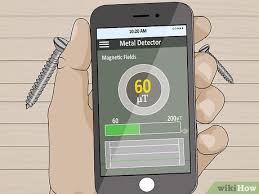
Metal detector apps continuously monitor these magnetic fluctuations and translate them into visual and audio feedback. As you move your phone closer to metallic objects, the readings increase, helping you pinpoint the location of hidden metals. The technology works best with ferrous metals like iron and steel, though some apps can detect other conductive materials when they’re sufficiently large or close to the sensor.
Most smartphones position their magnetometer near the top edge or back camera area. Understanding your device’s sensor location helps you position it correctly during searches, maximizing detection accuracy. The sensitivity typically ranges from detecting small screws within a few centimeters to larger metal objects buried several inches beneath surfaces.
Practical Applications That Make Life Easier
The convenience of pocket-sized metal detection extends far beyond treasure hunting. Homeowners frequently use these apps before hanging pictures or shelves, ensuring they avoid hidden pipes, electrical wiring, or structural reinforcements. This simple precaution prevents costly damage and potential safety hazards. 🏠
Travelers and security-conscious individuals appreciate the ability to scan hotel rooms or rental properties for hidden cameras or listening devices, which often contain detectable metal components. While not foolproof, this added layer of security provides peace of mind in unfamiliar environments.
Outdoor enthusiasts find countless uses during camping trips—from locating buried tent stakes in overgrown campsites to recovering lost tools in tall grass. Gardeners use metal detectors to find irrigation system components or remove dangerous metal debris before tilling soil.
Construction professionals and DIY renovators rely on these apps to map out metal studs behind drywall or locate rebar in concrete before cutting. The instant availability eliminates the need to return to the shop for specialized equipment during time-sensitive projects.
The Treasure Hunting Revolution in Your Pocket
Metal detecting as a hobby has become dramatically more accessible thanks to smartphone apps. Beginners can explore the activity without significant financial investment, discovering whether they enjoy the pursuit before committing to professional-grade equipment. 💎
Beaches, parks, and historic sites become treasure troves for casual enthusiasts armed with nothing more than their phones. While app-based detectors won’t match the depth and precision of dedicated devices costing hundreds or thousands of dollars, they perform admirably for surface-level discoveries and shallow targets.
Many users report finding coins, jewelry, and interesting metallic artifacts during their daily walks or family outings. The spontaneity factor proves particularly appealing—you’re never unprepared when an opportunity for exploration arises. Some apps include features like GPS logging, allowing treasure hunters to map their finds and return to promising locations.
Social features in certain metal detector apps connect users with local communities, fostering knowledge sharing about productive search locations and identification help for mysterious discoveries. This collaborative aspect transforms solo searching into an engaging social hobby.

Understanding Limitations and Setting Realistic Expectations
While smartphone metal detectors offer impressive functionality, understanding their limitations ensures productive use and prevents frustration. The detection depth rarely exceeds a few inches, compared to professional detectors that can sense objects buried several feet underground.
Electromagnetic interference from power lines, electronic devices, or certain building materials can create false readings or mask legitimate signals. Users quickly learn to recognize environmental noise patterns and adjust their searching techniques accordingly.
Battery consumption represents another consideration, as continuous sensor monitoring and display updates drain power faster than typical phone use. Carrying a portable charger extends searching sessions during extended outings or professional tasks requiring prolonged detection work.
Metal discrimination—the ability to distinguish between different metal types—remains limited compared to specialized equipment. Most smartphone apps provide general magnetic strength readings rather than identifying specific metals, though experienced users develop intuition about likely materials based on signal characteristics.
Choosing the Right Metal Detector App
The app marketplace offers dozens of metal detector applications with varying features, interfaces, and accuracy levels. Selecting the right one depends on your intended use and personal preferences. Highly-rated options typically share certain characteristics that enhance user experience. ⭐
Look for apps with clear, intuitive interfaces that display magnetic field strength through visual meters, numerical readings, and audio feedback. The best applications offer calibration features allowing you to establish baseline readings in metal-free environments, improving detection accuracy in subsequent searches.
Some advanced apps include additional tools like vibration alerts (useful when audio isn’t practical), recording capabilities for documenting finds, and adjustable sensitivity settings to filter out minor disturbances or focus on stronger signals.
Reading user reviews reveals real-world performance across different device models, as sensor quality varies between smartphone manufacturers. Apps with active developer support receive regular updates addressing compatibility issues and adding requested features.
Maximizing Detection Accuracy and Results
Proper technique significantly impacts detection success rates. Begin by calibrating your app in an area free from metal objects, establishing an accurate baseline reading. This step proves crucial for distinguishing genuine signals from background magnetic variations.
Move your smartphone slowly and steadily during searches, maintaining consistent distance from the surface. Rapid movements or erratic patterns can produce confusing readings or miss targets entirely. Think of it like using a paintbrush—controlled, deliberate strokes yield better results than frantic sweeping. 🎯
Position your device with the sensor area (usually near the camera or top edge) closest to the search surface. Some users find that removing protective cases improves sensitivity by reducing the gap between sensor and potential targets.
Environmental awareness enhances efficiency. Avoid searching near power sources, large metal structures, or concentrated electronics that create overwhelming magnetic interference. Natural settings like beaches, forests, and open fields typically provide cleaner detection environments.
Practice builds skill in interpreting readings. Experienced users distinguish between solid, consistent signals indicating substantial metal objects and sporadic, weak readings suggesting small or deeply buried items. Testing the app on known objects helps develop this intuition.
Safety Considerations and Responsible Use
Metal detecting, even with smartphones, requires responsible practices and safety awareness. Always obtain permission before searching private property, and research local regulations regarding metal detection in public spaces. Historical sites, archaeological areas, and protected lands often prohibit metal detecting to preserve cultural heritage. 🛡️
When detecting near utilities or during construction projects, exercise caution with physical excavation. While the app identifies metal presence, it cannot determine whether you’ve located a harmless nail or a live electrical wire. Professional consultation or utility location services provide necessary verification before invasive work.
Respect the environment during treasure hunting excursions. Fill any holes created during searches, properly dispose of trash discovered along the way, and leave natural areas as pristine as you found them. Responsible detector users serve as stewards of the locations they enjoy exploring.
Privacy considerations apply when using metal detectors to scan for surveillance devices. While checking your own space is perfectly legitimate, scanning other people’s property or possessions without consent raises ethical and potentially legal concerns.
Enhancing Your Experience with Complementary Tools
While your smartphone handles detection duties admirably, a few inexpensive accessories can enhance your metal detecting adventures. A basic digging tool or garden trowel proves invaluable for retrieving buried finds without excessive excavation or surface damage.
Carrying a small bag or pouch for discoveries keeps your hands free and prevents loss of interesting finds. Some enthusiasts use collecting containers with compartments for organizing items by type or location.
A simple magnifying glass or jeweler’s loupe helps examine small objects and identify markings that reveal age, origin, or value. Many smartphone cameras include macro modes serving the same purpose without additional equipment.
Waterproof phone cases expand searching possibilities to shallow water environments like stream edges or surf zones, though you should verify your specific device’s water resistance ratings before risking damage. 🌊
The Science Behind Magnetic Field Detection
Understanding the physics underlying metal detection deepens appreciation for the technology and improves practical application. Ferromagnetic materials—primarily iron, nickel, and cobalt—possess strong magnetic properties that significantly influence nearby magnetic fields.
Earth’s magnetic field serves as the baseline reference point for detection. This field, generated by our planet’s molten iron core, measures approximately 25-65 microteslas depending on location. When ferromagnetic objects enter this field, they become temporarily magnetized, creating localized distortions detectable by sensitive instruments.
Your smartphone’s magnetometer, typically a Hall effect sensor or similar technology, measures these field variations with remarkable precision—often detecting changes as small as 0.01 microteslas. This sensitivity enables detection of relatively small metal objects despite the sensor’s tiny size.
Non-ferrous metals like copper, aluminum, and gold don’t naturally magnetize but can still be detected under certain circumstances. Large quantities or close proximity allow these metals to influence magnetic fields through eddy currents—electrical currents induced within the metal by ambient magnetic fields.
From Casual Use to Dedicated Hobby
Many serious metal detecting enthusiasts trace their interest back to smartphone apps that sparked initial curiosity. The zero-entry-cost introduction allows risk-free exploration of whether the hobby resonates with your interests and lifestyle. 🚀
As skills and passion develop, users often graduate to dedicated metal detectors offering enhanced depth, discrimination, and specialized features. However, smartphone apps remain valuable even for experienced hobbyists—serving as backup devices, quick-check tools during everyday activities, or travel companions when carrying full equipment isn’t practical.
Online communities dedicated to metal detecting welcome members at all skill levels, sharing discoveries, offering identification assistance, and providing location recommendations. Participating in these groups accelerates learning and connects you with like-minded enthusiasts who share your newfound interest.
Local clubs and organized hunts offer structured opportunities to develop skills, learn from experienced detectorists, and enjoy social aspects of the hobby. Many groups welcome smartphone users, recognizing that today’s app explorer might become tomorrow’s dedicated enthusiast.
Educational Value for Young Explorers
Metal detector apps provide excellent educational opportunities for children and teens, combining technology, science, and outdoor exploration in engaging ways. The interactive nature captures attention while teaching concepts about magnetism, geology, and history. 📚
Family outings centered around treasure hunting create memorable bonding experiences while encouraging physical activity and nature appreciation. Children develop patience, observational skills, and systematic thinking as they learn effective searching techniques.
Discoveries, even mundane objects like bottle caps or rusty nails, prompt questions about composition, age, and origin—springboards for lessons spanning chemistry, history, and environmental science. Each find becomes a tangible connection to broader educational concepts.
The technology itself offers teaching moments about sensors, data interpretation, and practical physics applications. Understanding how smartphones repurpose navigation components for creative functions illustrates innovation principles and encourages inventive thinking.
Future Developments in Smartphone Detection Technology
Sensor technology continues advancing rapidly, promising enhanced capabilities for future smartphone metal detectors. Improved magnetometers with greater sensitivity and reduced noise susceptibility will increase detection depth and accuracy for smaller objects.
Artificial intelligence and machine learning integration could enable sophisticated signal interpretation, automatically distinguishing between metal types, filtering environmental interference, and predicting object size or depth based on signal characteristics. 🤖
Augmented reality features might overlay detection information directly onto camera views, providing intuitive visual guidance toward targets and displaying historical information about locations as you explore them.
Multi-sensor fusion, combining magnetometer data with other smartphone sensors like LiDAR, radar chips, or advanced imaging systems, could create hybrid detection capabilities surpassing current limitations while maintaining the convenience of all-in-one mobile devices.
Making the Most of Your Palm-Sized Detector
The true revolution isn’t just technological—it’s accessibility. Professional equipment remains superior for serious detecting work, but smartphone apps democratize the activity, removing financial and logistical barriers that previously limited participation. Anyone with a modern phone can explore this fascinating intersection of technology, history, and discovery.
Regular use sharpens skills and reveals unexpected applications you might not initially consider. That phone in your pocket transforms from a communication device into a versatile tool ready whenever opportunity knocks—or whenever curiosity strikes during your daily routine. ✨
Start with modest expectations, gradually expanding your understanding and technique through practice. Document interesting finds, experiment with different locations and conditions, and share experiences with others exploring this accessible technology.
The convenience factor cannot be overstated. Spontaneous beach walks become treasure hunts, home improvement projects proceed with greater confidence, and everyday objects around you reveal hidden metallic components you never noticed before. This awareness enriches your interaction with the physical world.
Your Journey Starts Now
The barrier between you and metal detecting has never been lower. No special purchases, no equipment to store, no expertise required—just download an app and start exploring. Your smartphone already contains everything necessary to begin this rewarding activity today.
Whether your interests lean toward practical home applications, casual treasure hunting, or scientific curiosity about the technology itself, metal detector apps offer value and entertainment in a remarkably compact package. The device that connects you to the digital world now connects you to hidden physical objects all around.
Thousands of users worldwide have already discovered the satisfaction of finding lost items, uncovering buried objects, or simply exploring their environment with new technological eyes. Your first discovery awaits—perhaps closer than you imagine. All you need to do is download, calibrate, and start searching. The adventure fits perfectly in your palm, ready whenever you are. 🌟
