
Anúncios
Joint pain, especially in the elbows, can severely impact your daily activities and overall quality of life. Discovering natural remedies through herbal teas offers a gentle yet effective approach to managing inflammation and discomfort.


Elbow pain affects millions of people worldwide, from athletes experiencing tennis elbow to office workers dealing with repetitive strain injuries. The good news is that nature provides powerful anti-inflammatory compounds found in various herbs and plants that can be brewed into therapeutic teas.
Anúncios
These herbal remedies have been used for centuries across different cultures, and modern science is now validating many of their traditional uses. Let’s explore the most effective teas that can help reduce joint inflammation, ease elbow pain, and support overall joint health naturally. ☕
🌿 Understanding Joint Pain and Inflammation in Elbows
Elbow pain typically stems from inflammation of the tendons, ligaments, or joints themselves. Conditions like lateral epicondylitis (tennis elbow), medial epicondylitis (golfer’s elbow), bursitis, and arthritis are common culprits behind persistent elbow discomfort.
Anúncios
Inflammation is your body’s natural response to injury or stress, but chronic inflammation can damage tissues and cause ongoing pain. Anti-inflammatory compounds found in certain herbal teas can help modulate this inflammatory response, providing relief without the side effects associated with pharmaceutical pain relievers.
The key is consistency and choosing the right herbs that contain bioactive compounds such as polyphenols, flavonoids, and essential oils that target inflammatory pathways in the body.
🍵 Turmeric and Ginger Tea: The Golden Anti-Inflammatory Duo
Turmeric contains curcumin, one of nature’s most powerful anti-inflammatory compounds. When combined with ginger, which contains gingerols with similar properties, you create a potent elbow pain-fighting beverage.
Research has shown that curcumin can be as effective as some anti-inflammatory medications in reducing joint pain and stiffness. Ginger complements turmeric by improving circulation and further reducing inflammatory markers in the body.
To prepare this healing tea, simmer one teaspoon of fresh grated turmeric and one teaspoon of fresh grated ginger in two cups of water for 10 minutes. Add a pinch of black pepper to enhance curcumin absorption by up to 2000%, and sweeten with honey if desired.
Drink this tea twice daily for optimal results. Many people report noticeable improvements in joint mobility and pain reduction within two to three weeks of consistent use.
🌸 Green Tea: Antioxidant Powerhouse for Joint Health
Green tea is rich in epigallocatechin gallate (EGCG), a catechin with remarkable anti-inflammatory and antioxidant properties. Studies have demonstrated that EGCG can help protect cartilage from degradation and reduce inflammatory responses in joints.
For people experiencing elbow pain related to arthritis or overuse injuries, green tea offers protective benefits that go beyond immediate pain relief. It helps prevent further joint damage while supporting the body’s natural healing processes.
Steep high-quality green tea leaves in water heated to 160-180°F (not boiling) for 2-3 minutes. Overheating destroys beneficial compounds. Aim for 2-4 cups daily, spread throughout the day for sustained anti-inflammatory effects.
Consider matcha green tea for even higher concentrations of beneficial compounds, as you consume the entire leaf rather than just the infusion. 🍃

🌺 Willow Bark Tea: Nature’s Aspirin
Willow bark has been used for pain relief for thousands of years and contains salicin, a compound that converts to salicylic acid in the body—the same active ingredient found in aspirin.
This natural alternative offers pain-relieving and anti-inflammatory benefits specifically helpful for musculoskeletal pain, including elbow discomfort from tendonitis or arthritis.
To prepare willow bark tea, simmer one to two teaspoons of dried willow bark in one cup of water for 10-15 minutes. Strain and drink up to three times daily. The taste is quite bitter, so adding honey or lemon can make it more palatable.
Important note: If you’re allergic to aspirin or take blood-thinning medications, consult your healthcare provider before using willow bark tea, as it has similar properties.
🌿 Boswellia Tea: Ancient Remedy for Modern Joint Pain
Boswellia, also known as Indian frankincense, contains boswellic acids that have been shown to inhibit inflammatory enzymes and reduce joint pain and stiffness. This herb has been a cornerstone of Ayurvedic medicine for treating inflammatory conditions.
Clinical studies have found boswellia particularly effective for osteoarthritis and inflammatory joint conditions, making it an excellent choice for elbow pain management.
Boswellia tea can be made by steeping one teaspoon of boswellia powder or crushed resin in hot water for 5-10 minutes. The flavor is mild and slightly woody. Drink 2-3 cups daily for best results.
Many users report reduced pain and improved joint function within four to eight weeks of regular consumption. Patience is essential, as herbal remedies work gradually to address underlying inflammation.
🌼 Devil’s Claw Tea: Powerful Pain Relief from Africa
Devil’s claw is a South African plant with impressive anti-inflammatory and analgesic properties. It contains iridoid glycosides, particularly harpagoside, which studies have shown to be effective in reducing arthritis pain and improving joint mobility.
This herb is particularly beneficial for chronic elbow pain related to repetitive stress injuries or degenerative joint conditions. Its pain-relieving effects are comparable to some conventional medications but with fewer side effects.
Prepare devil’s claw tea by steeping 1-2 teaspoons of dried root in boiling water for 10-15 minutes. The tea has a slightly bitter taste that can be improved with honey or mint. Consume 2-3 cups daily between meals for optimal absorption.
Avoid this tea if you have gastric or duodenal ulcers, gallstones, or are pregnant, as it can stimulate digestive secretions. 🦂
🍃 Nettle Tea: Nutrient-Dense Joint Support
Stinging nettle is packed with vitamins, minerals, and anti-inflammatory compounds that support joint health. It’s particularly rich in boron, silicon, and other minerals essential for maintaining healthy connective tissues.
Nettle tea helps reduce inflammatory cytokines and provides building blocks for cartilage repair and maintenance. It’s gentle enough for daily consumption and offers broader health benefits beyond joint support.
Use one to two teaspoons of dried nettle leaves per cup of boiling water. Steep for 5-10 minutes and strain. The flavor is mild and slightly earthy, making it pleasant to drink plain or mixed with other herbs.
Nettle tea can be consumed liberally—3-4 cups daily is safe for most people. It also acts as a gentle diuretic, helping flush inflammatory compounds from the body.
🌹 Rosehip Tea: Vitamin C Boost for Collagen Production
Rosehips are the fruit of the rose plant and are exceptionally rich in vitamin C, polyphenols, and galactolipids that have demonstrated anti-inflammatory effects in joint tissues.
Vitamin C is crucial for collagen synthesis, which forms the structural foundation of tendons, ligaments, and cartilage. Supporting collagen production helps maintain joint integrity and promotes healing in damaged elbow tissues.
Research has shown that rosehip powder significantly reduces joint pain and stiffness in people with osteoarthritis. The tea form offers similar benefits with the added hydration that supports joint lubrication.
Steep one to two tablespoons of dried rosehips in boiling water for 10-15 minutes. The resulting tea has a pleasant, slightly tart flavor reminiscent of cranberries. Sweeten with honey if desired and enjoy 2-3 cups daily. 🌹
🍋 Lemon Balm and Chamomile: Calming Inflammation and Stress
While primarily known for their calming properties, both lemon balm and chamomile possess anti-inflammatory compounds that benefit joint health. Additionally, since stress can exacerbate inflammation and pain perception, their relaxing effects offer dual benefits.
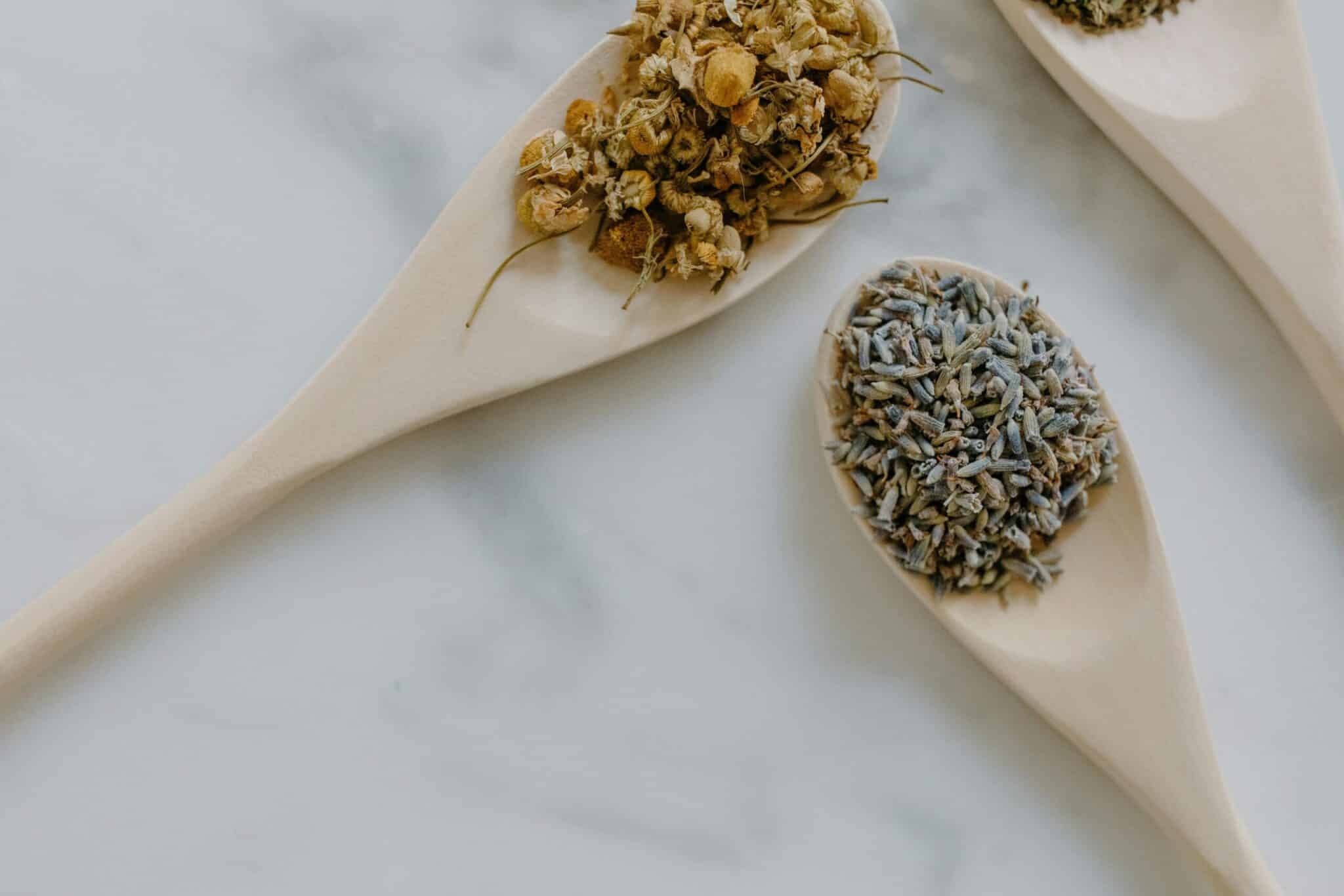
Chamomile contains apigenin and other flavonoids that inhibit inflammatory pathways. Lemon balm contains rosmarinic acid, a potent antioxidant with anti-inflammatory properties.
This combination makes an excellent evening tea that helps reduce inflammation while promoting restful sleep—essential for the body’s healing processes. Poor sleep quality can worsen pain perception and slow recovery from injuries.
Combine one teaspoon each of dried chamomile flowers and lemon balm leaves. Steep in hot water for 5-7 minutes. The resulting tea is fragrant, soothing, and mildly sweet. Drink in the evening as part of your pain management routine.
📋 Creating Your Herbal Tea Protocol for Elbow Pain
For maximum effectiveness, consider rotating different anti-inflammatory teas throughout your week rather than relying on just one. This approach provides a broader spectrum of beneficial compounds and prevents potential tolerance.
Here’s a sample weekly protocol that many people find effective:
- Morning: Green tea or turmeric-ginger tea for energy and anti-inflammatory effects
- Afternoon: Nettle or rosehip tea for nutritional support and sustained inflammation reduction
- Evening: Chamomile-lemon balm or willow bark tea for pain relief and rest
- Targeted use: Boswellia or devil’s claw tea during pain flares or after activities that strain your elbows
Remember that consistency is crucial. Herbal remedies work best when used regularly over weeks or months, not as one-time solutions. Keep a journal to track which teas provide the most noticeable benefits for your specific condition.
💪 Enhancing Tea Benefits with Lifestyle Modifications
While herbal teas offer significant benefits for elbow pain, combining them with other healthy practices amplifies their effectiveness considerably.
Stay well-hydrated throughout the day, as proper hydration maintains the synovial fluid that lubricates your joints. Aim for at least eight glasses of water daily in addition to your therapeutic teas.
Incorporate gentle stretching and strengthening exercises for your forearms and elbows. Physical therapy exercises can help correct imbalances that contribute to pain while improving circulation to promote healing.
Apply ice to inflamed elbows for 15-20 minutes several times daily during acute pain episodes. Cold therapy reduces inflammation and numbs pain, working synergistically with the anti-inflammatory compounds in your teas.
Consider adding anti-inflammatory foods to your diet: fatty fish rich in omega-3s, colorful vegetables, berries, nuts, and seeds. What you eat significantly impacts systemic inflammation levels.
🔬 Understanding the Science Behind Herbal Anti-Inflammatories
The effectiveness of these herbal teas isn’t just folk wisdom—modern research has identified specific mechanisms through which plant compounds reduce inflammation and pain.
Many herbs contain compounds that inhibit COX-2 enzymes, similar to how NSAIDs work but typically with fewer side effects. Others modulate inflammatory cytokines like TNF-alpha and interleukins that drive chronic inflammation.
Polyphenols found in green tea and other herbs act as powerful antioxidants, neutralizing free radicals that damage joint tissues and perpetuate inflammatory cycles. This protective effect helps prevent long-term joint deterioration.
Some herbal compounds also improve microcirculation, ensuring that nutrients reach damaged tissues while inflammatory byproducts are efficiently removed. Better circulation supports faster healing and reduced pain.
⚠️ Safety Considerations and When to Seek Medical Help
While herbal teas are generally safe, certain precautions should be observed. If you’re pregnant, nursing, or taking medications, consult your healthcare provider before starting any herbal regimen.
Some herbs can interact with blood thinners, diabetes medications, or other pharmaceuticals. Willow bark, for example, shouldn’t be combined with aspirin or other blood-thinning medications.
Start with small amounts of any new herbal tea to assess your tolerance and watch for allergic reactions. Discontinue use and seek medical attention if you experience rashes, difficulty breathing, or digestive distress.
Herbal remedies work best for mild to moderate joint pain. If your elbow pain is severe, sudden, accompanied by redness and warmth, or doesn’t improve with conservative measures within a few weeks, seek medical evaluation to rule out serious conditions.
🌟 Long-Term Joint Health Beyond Tea
Think of herbal teas as part of a comprehensive approach to joint health rather than a standalone solution. Maintaining healthy joints throughout life requires attention to multiple factors.
Regular low-impact exercise like swimming, cycling, or yoga keeps joints mobile without excessive stress. Movement stimulates synovial fluid production and maintains the strength of supporting muscles.
Maintain a healthy weight to reduce stress on all joints, including elbows during activities. Even modest weight loss can significantly decrease inflammatory markers throughout the body.
Manage stress through meditation, deep breathing, or other relaxation techniques. Chronic stress elevates cortisol and other hormones that promote inflammation and worsen pain perception.
Prioritize sleep quality and duration, as the body performs most of its healing and repair during deep sleep stages. Aim for 7-9 hours of quality sleep nightly to support optimal recovery.
✨ Embracing Natural Healing for Lasting Relief
Discovering the power of herbal teas for elbow pain opens a world of natural healing that works with your body rather than against it. These time-tested remedies offer gentle yet effective relief while supporting overall health.
The journey to pain-free elbows may require patience and experimentation to find which teas work best for your unique situation. Pay attention to your body’s responses and adjust your protocol accordingly.
By incorporating anti-inflammatory teas into your daily routine alongside proper rest, exercise, and nutrition, you’re giving your body the tools it needs to heal naturally. Many people find that this holistic approach not only relieves their elbow pain but improves their overall sense of wellbeing.
Start today with one or two of these powerful herbal teas and experience the difference that natural anti-inflammatory support can make in your life. Your elbows—and your entire body—will thank you for choosing the gentle path to healing. 🌿💚
