
Anúncios
Interior architecture is more than just arranging furniture—it’s about creating spaces that reflect your personality, enhance functionality, and inspire daily living with beauty and purpose.


Designing interior spaces requires a thoughtful balance between aesthetics and practicality. Whether you’re transforming a cozy living room, a productive home office, or a welcoming bedroom, understanding the principles of interior architecture empowers you to make informed decisions that elevate your environment.
Anúncios
This comprehensive guide explores proven strategies, creative ideas, and professional insights to help you decorate any space with style and sophistication. From selecting the right color palettes to optimizing spatial flow, you’ll discover actionable tips that turn ordinary rooms into extraordinary sanctuaries. ✨
Understanding the Foundations of Interior Architecture
Interior architecture encompasses the structural and aesthetic elements that define how we experience indoor spaces. Unlike simple decoration, it considers architectural features, spatial relationships, lighting dynamics, and material choices as interconnected components of a cohesive design vision.
Anúncios
The most successful interiors begin with a clear understanding of purpose. Ask yourself: What activities will happen here? Who will use this space? What mood should it evoke? These foundational questions guide every subsequent decision, from furniture selection to accessory placement.
Proportion and scale are critical yet often overlooked principles. A massive sectional sofa might overwhelm a compact apartment, while delicate accent pieces can disappear in expansive rooms. Training your eye to assess spatial relationships helps you select furnishings that complement rather than compete with your architecture.
Creating a Color Palette That Tells Your Story 🎨
Color profoundly influences emotional responses to interior spaces. Warm hues like terracotta, amber, and cream create inviting, energetic atmospheres perfect for social areas. Cool tones such as sage, slate, and periwinkle promote calmness and concentration—ideal for bedrooms and offices.
The 60-30-10 rule provides a foolproof framework for color distribution. Dedicate 60% of your palette to a dominant neutral shade for walls and large furniture pieces. Use 30% for secondary colors in upholstery, curtains, or accent walls. Reserve the final 10% for bold pops of color through artwork, cushions, and decorative objects.
Natural light dramatically affects how colors appear throughout the day. Test paint samples on multiple walls and observe them during morning, afternoon, and evening hours before committing. North-facing rooms benefit from warmer tones to counteract cool natural light, while south-facing spaces can handle cooler palettes without feeling cold.
Furniture Selection: Function Meets Aesthetic Excellence
Quality furniture represents an investment in daily comfort and long-term satisfaction. Prioritize pieces that serve multiple functions—storage ottomans, extendable dining tables, and convertible sofa beds maximize versatility in smaller spaces without sacrificing style.
Mixing furniture styles adds character and prevents interiors from feeling like showroom displays. Pair a vintage mid-century credenza with contemporary seating, or balance industrial metal accents with organic wood elements. This curated approach creates spaces that feel collected over time rather than purchased in a single shopping trip.
Ergonomics should never be compromised for aesthetics. Office chairs must provide proper lumbar support, dining chairs should be comfortable for extended meals, and sofas need appropriate depth for relaxation. Beautiful furniture that causes physical discomfort ultimately fails its primary purpose.
Lighting Design: The Secret Ingredient of Stunning Interiors 💡
Layered lighting transforms flat, uninspiring rooms into dynamic, welcoming environments. Combine three distinct types: ambient lighting for overall illumination, task lighting for specific activities, and accent lighting to highlight architectural features or artwork.
Dimmer switches offer unparalleled flexibility, allowing you to adjust brightness according to time of day and activity. Morning productivity requires brighter light, while evening relaxation benefits from softer, warmer illumination. This simple addition dramatically increases the functional range of any space.
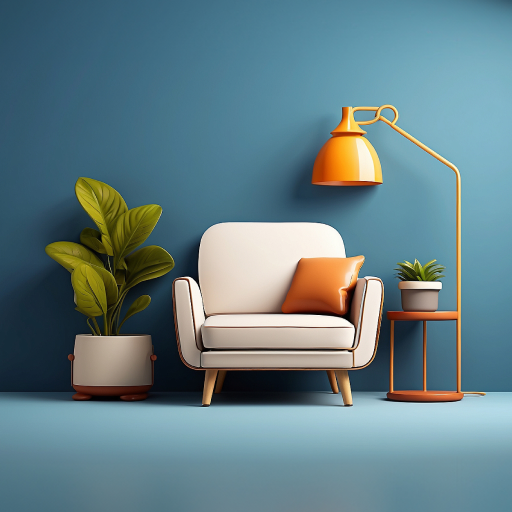
Statement lighting fixtures serve as sculptural elements that anchor design schemes. A dramatic chandelier, an oversized floor lamp, or a collection of pendant lights can define a room’s personality while providing essential illumination. Don’t relegate lighting to purely functional status—embrace its decorative potential.
Spatial Planning and Traffic Flow Optimization
Effective spatial planning ensures rooms feel balanced and function smoothly. Create clear pathways between entrances, seating areas, and functional zones. A general rule: allow at least 30-36 inches for primary walkways and 18-24 inches for secondary passages.
Furniture arrangement should facilitate conversation in social spaces. Position seating within 8-10 feet of each other to enable comfortable dialogue without shouting. Float furniture away from walls in larger rooms to create intimate groupings that make expansive spaces feel approachable.
Define zones within open-plan layouts using area rugs, lighting changes, or subtle level variations. These visual cues help differentiate between living, dining, and working areas without physical barriers that interrupt sightlines and natural light flow.
Texture and Material: Adding Depth to Your Design
Texture introduces visual and tactile interest that prevents monotonous interiors. Combine smooth surfaces like polished marble or glass with rough elements such as natural fiber rugs, linen upholstery, or exposed brick. This contrast creates sensory richness that engages multiple perceptions.
Natural materials bring warmth and authenticity to any space. Wood introduces organic patterns and tones, stone adds permanence and gravitas, and plants contribute life and movement. These elements ground contemporary designs and prevent them from feeling sterile or impersonal.
Metallic finishes provide sophisticated accents when used judiciously. Brass and gold suggest warmth and luxury, chrome and nickel convey modernity and precision, while matte black offers dramatic contrast and contemporary edge. Mix metal finishes intentionally rather than matching everything—variety creates visual sophistication.
Wall Treatment Strategies Beyond Basic Paint
Architectural molding, wainscoting, or board-and-batten installations add three-dimensional interest to flat walls. These treatments work beautifully in traditional and contemporary settings, creating shadow lines that change throughout the day as natural light shifts.
Wallpaper has evolved far beyond outdated floral patterns. Modern options include geometric designs, botanical prints, textured grasscloths, and even removable peel-and-stick varieties perfect for renters. Accent one wall to introduce pattern without overwhelming smaller rooms.
Gallery walls transform personal photographs, artwork, and collected objects into cohesive displays. Plan arrangements on the floor before hammering nails, maintaining consistent spacing of 2-3 inches between frames. Mix frame styles and sizes for an eclectic look, or standardize them for minimalist uniformity.
Home Office Design for Productivity and Style 🖥️
Dedicated workspace boundaries improve focus and work-life balance, even in compact homes. Position your desk near natural light sources but perpendicular to windows to minimize screen glare. If space permits, separate your office area with a bookshelf, screen, or strategically placed plants.
Ergonomic considerations directly impact productivity and physical health. Your monitor should sit at arm’s length, with the top of the screen at or slightly below eye level. Invest in an adjustable chair that supports your lower back and allows feet to rest flat on the floor.
Storage solutions keep workspaces functional and clutter-free. Vertical filing systems, floating shelves, and concealed cabinets maximize square footage while maintaining clean sightlines. Beautiful organizational tools—woven baskets, ceramic containers, or leather desk accessories—blend utility with aesthetic appeal.
Bedroom Sanctuaries: Designing for Rest and Rejuvenation
Bedrooms should prioritize tranquility and comfort above all else. Opt for muted color palettes, blackout window treatments, and minimal electronic devices to create environments conducive to quality sleep. Your bedroom is a retreat from the world’s demands—design it accordingly.
Bedding quality dramatically affects sleep comfort and bedroom aesthetics. Natural fibers like cotton, linen, and bamboo regulate temperature better than synthetics. Layer textures through duvet covers, quilts, and decorative pillows, but avoid excessive ornamentation that requires daily rearranging.
Nightstand essentials should be carefully curated. A reading lamp with adjustable brightness, a small tray for jewelry or glasses, and perhaps a single decorative object create functional surfaces without visual chaos. Keep surfaces clear enough to maintain a sense of calm.
Living Spaces That Balance Comfort and Sophistication
Living rooms serve multiple purposes—entertaining guests, family relaxation, media consumption, and sometimes remote work. Flexible furniture arrangements accommodate these varied functions. Modular seating can be reconfigured as needed, while nesting tables provide surface area that disappears when not required.
Anchor your living space with a properly sized area rug. Ideally, all furniture legs should rest on the rug, or at minimum, front legs of sofas and chairs. This grounds the seating arrangement and defines the conversation zone within larger rooms.
Personal collections and meaningful objects transform generic spaces into homes. Display books, travel souvenirs, or family heirlooms on open shelving or within glass-front cabinets. These personal touches tell your story and create conversation starters when entertaining guests.
Kitchen and Dining Areas: Where Function Meets Hospitality 🍽️
Kitchen layouts should follow the work triangle principle, positioning the sink, stove, and refrigerator in efficient proximity. Even in galley or L-shaped configurations, minimizing steps between these key zones streamlines meal preparation and cleanup.
Open shelving introduces visual lightness and displays beautiful dishware, but requires disciplined organization. Reserve lower, closed cabinets for everyday items and less attractive necessities. Glass-front upper cabinets offer a middle ground—displaying contents while containing dust.
Dining areas benefit from flexible lighting that adapts to different occasions. A dimmer-controlled chandelier or pendant light creates ambiance for intimate dinners, while brighter settings accommodate homework sessions or game nights. Position fixtures approximately 30-34 inches above table surfaces.
Bathroom Retreats: Spa-Inspired Personal Wellness Spaces
Transform utilitarian bathrooms into personal sanctuaries through thoughtful material choices and sensory details. Natural stone, warm wood tones, and quality fixtures elevate daily routines into self-care rituals. Heated floors, towel warmers, and rainfall showerheads add luxury without excessive cost.
Storage challenges plague most bathrooms, but creative solutions abound. Recessed medicine cabinets, floating vanities with drawers, and vertical ladder shelves maximize functionality in compact footprints. Keep countertops clear except for daily essentials displayed in coordinating containers.
Moisture-resistant plants like ferns, orchids, or pothos introduce life and improve air quality in bathrooms with adequate natural light. Their organic forms soften hard surfaces and clinical aesthetics common in these functional spaces.
Incorporating Sustainable and Eco-Conscious Design Choices 🌿
Sustainable interior design reduces environmental impact while creating healthier living environments. Prioritize furniture crafted from responsibly harvested wood, recycled materials, or rapidly renewable resources like bamboo. Quality pieces that last decades ultimately prove more sustainable than disposable fast furniture.
Low-VOC paints, finishes, and adhesives minimize indoor air pollution and associated health risks. Many manufacturers now offer environmentally friendly options with performance equal to traditional products. Improved indoor air quality benefits everyone, particularly children and individuals with respiratory sensitivities.
Energy-efficient lighting, appliances, and window treatments reduce utility costs while decreasing your carbon footprint. LED bulbs consume 75% less energy than incandescent alternatives and last significantly longer. Cellular shades and thermal curtains improve insulation, reducing heating and cooling demands.
Seasonal Updates: Refreshing Spaces Without Major Renovations
Seasonal décor refreshes keep interiors feeling current without permanent commitments or significant expense. Swap throw pillow covers, blankets, and artwork to reflect changing seasons. Lighter fabrics and brighter colors energize spaces for spring and summer, while richer textures and deeper tones create cozy autumn and winter environments.
Temporary updates allow experimentation with trends before full commitment. Try new color schemes through removable elements like cushions, vases, or table linens. If the experiment succeeds, incorporate it more permanently; if not, simply return to your foundational palette.
Holiday decorations should complement rather than overwhelm your existing design. Select ornaments, wreaths, and seasonal accents in your established color palette for cohesive integration. This approach creates festive atmospheres that feel intentional rather than chaotic.
Budget-Conscious Strategies for High-Impact Results
Strategic investments yield better results than scattered purchases. Allocate larger portions of your budget to foundational pieces—sofas, beds, dining tables—that receive daily use and significantly impact comfort. Complement these investments with budget-friendly accessories that can be easily updated.
DIY projects personalize spaces while controlling costs. Paint furniture for dramatic transformations, create custom artwork, or sew simple window treatments. These hands-on projects add unique character impossible to achieve through mass-produced items alone.
Thrift stores, estate sales, and online marketplaces offer quality vintage and second-hand furnishings at fraction of retail prices. Solid wood pieces can be refinished, reupholstered, or simply appreciated for their patina and craftsmanship. This approach supports circular economy principles while adding distinctive character.
Technology Integration Without Compromising Aesthetics
Modern homes require technology integration, but visible wires and prominent devices disrupt carefully planned aesthetics. Conceal cables using cord management systems, run them behind furniture, or install in-wall raceways during renovations. Wireless charging stations and hidden outlets maintain clean surfaces.
Smart home devices increasingly feature improved industrial design that complements interiors. Select thermostats, speakers, and lighting controls in finishes that coordinate with your overall palette. Voice-activated systems eliminate physical clutter while providing convenient control.
Entertainment centers challenge many living room designs. Wall-mounting televisions saves floor space and creates cleaner sightlines. Frame the screen with built-in shelving or cabinetry that provides storage while integrating technology into the architectural fabric of your room.
Working With What You Have: Rental-Friendly Design Solutions
Rental restrictions need not prevent beautiful interiors. Removable wallpaper, peel-and-stick tiles, and temporary flooring options transform spaces without permanent alterations. These products have evolved dramatically, offering style and quality that rivals traditional installation methods.
Freestanding furniture solutions replace built-ins when modifications aren’t permitted. Bookcases, room dividers, and modular storage systems define spaces and provide functionality without construction. Select pieces that adapt to future homes, maximizing your investment beyond current living situations.
Lighting limitations in rentals can be overcome through plug-in solutions. Arc floor lamps provide overhead illumination without ceiling fixture installation. Battery-operated picture lights highlight artwork, while string lights add ambiance. These portable options accompany you through multiple moves.
The Psychology of Space: How Design Affects Wellbeing
Environmental psychology research confirms that interior design directly influences mood, productivity, and overall wellbeing. Natural light exposure regulates circadian rhythms and improves mental health. Prioritize window treatments that maximize daylight while providing privacy when needed.
Clutter creates visual stress and mental fatigue. Implement organizational systems that maintain order with minimal effort. Everything should have a designated location, making tidying a quick daily ritual rather than an overwhelming project.
Biophilic design principles incorporate natural elements that satisfy innate human connections to nature. Indoor plants, natural materials, water features, and views to outdoor spaces reduce stress and enhance cognitive function. Even small apartments can integrate these wellness-promoting elements.
Bringing Your Vision to Life With Confidence
Successful interior design reflects personal style while respecting timeless principles of proportion, balance, and functionality. Trust your instincts—you interact with your space daily and understand its unique challenges and opportunities better than anyone else.
Start small if the prospect of redesigning entire rooms feels overwhelming. Focus on a single area, perfect your approach, then expand your efforts. Each completed project builds confidence and refines your design eye for subsequent spaces.
Remember that interiors evolve alongside your life. Needs change, tastes mature, and new inspirations emerge. Embrace this evolution rather than pursuing unattainable perfection. The most beautiful spaces reflect authentic living, not sterile showroom displays.
Interior architecture offers endless opportunities for creative expression and functional improvement. Whether you’re refreshing a single room or reimagining your entire home, these principles provide a foundation for spaces that truly enhance daily life with style, comfort, and intention. 🏡
