
Anúncios
Learning to read and write doesn’t have to be overwhelming or time-consuming. With just a few minutes each day and the right approach, anyone can master literacy skills in a fun and engaging way.


The journey to literacy is one of the most empowering experiences anyone can have. Whether you’re an adult looking to improve your reading skills, a parent helping your child, or someone learning a new language, the key is consistency and enjoyment. Gone are the days when learning to read and write meant tedious drills and boring exercises.
Anúncios
Modern approaches to literacy education emphasize making the process enjoyable, interactive, and accessible. By dedicating just 10-15 minutes per day to practice, you can make remarkable progress without feeling overwhelmed or sacrificing your busy schedule. Let’s explore how you can embark on this transformative journey with confidence and excitement. ✨
Why Short Daily Practice Sessions Work Better Than Marathon Study
Your brain learns more effectively through consistent, short bursts of practice rather than lengthy, exhausting sessions. This concept, known as spaced repetition, has been proven by cognitive science research to enhance memory retention and skill acquisition.
Anúncios
When you practice reading and writing for just 15-20 minutes daily, you’re giving your brain time to process and consolidate new information between sessions. This approach prevents mental fatigue and keeps motivation levels high. Think of it like watering a plant—regular small amounts work better than drowning it once a week.
Additionally, short sessions fit seamlessly into even the busiest schedules. You can practice during your morning coffee, on your lunch break, or before bed. This flexibility removes one of the biggest barriers to learning: finding time.
Starting With the Fundamentals: Letters and Sounds 🔤
Every literacy journey begins with understanding the relationship between letters and sounds. This phonetic awareness forms the foundation for both reading and writing skills.
Start by focusing on one or two letters at a time. Learn their shapes, how to write them, and what sounds they make. Use multisensory approaches—trace letters in sand, write them in the air, or form them with playdough. The more senses you engage, the stronger the neural connections become.
Don’t rush this stage. Mastering the alphabet thoroughly at the beginning makes everything that follows much easier. Celebrate each letter learned as a genuine achievement, building confidence with every small victory.
Making Letter Recognition Engaging
Turn letter learning into a game by creating letter hunts around your home. Challenge yourself or your child to find items that start with specific letters. This contextual learning helps cement letter-sound relationships in real-world scenarios.
Use colorful materials, songs, and rhymes to make letters memorable. The classic “ABC Song” exists for a reason—melody aids memory. Create your own letter stories or use existing alphabet books that associate each letter with vivid imagery.
Building Words: The Magic of Phonics 📖
Once individual letters become familiar, the next step is blending them into words. Phonics instruction teaches how letter combinations create different sounds, enabling you to decode unfamiliar words independently.
Begin with simple three-letter words (like “cat,” “dog,” “sun”) that follow consistent phonetic patterns. Practice sounding out each letter slowly, then blending them together. This decoding skill is the cornerstone of reading fluency.
As you gain confidence, gradually introduce more complex patterns—consonant blends (like “bl” and “str”), digraphs (like “sh” and “ch”), and vowel combinations. Each new pattern unlocked expands your reading capabilities exponentially.
Word Families Make Learning Faster
Grouping words by their endings (called word families) accelerates learning. Once you master “cat,” you can easily read “bat,” “hat,” “mat,” and “sat.” This pattern recognition makes reading feel less like memorizing individual words and more like understanding a system.
Create flashcards or lists of word families to practice. The repetition of common patterns builds automatic recognition, freeing up mental energy to focus on comprehension rather than just decoding.

Developing Handwriting Skills Without Frustration ✍️
Writing is a complex motor skill that requires patience and practice. Start with proper pencil grip and posture to prevent bad habits that can cause discomfort or slow progress.
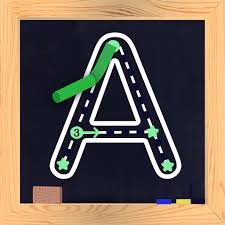
Begin by tracing letters before attempting to write them independently. This guided practice helps your hand muscles develop the correct movement patterns. Use lined paper with clear guidelines to maintain consistent letter sizing.
Practice writing individual letters until they feel comfortable, then move to writing simple words. Don’t worry about speed initially—accuracy and proper formation matter more. Speed develops naturally with practice.
Making Writing Practice Enjoyable
Instead of repetitive drills, incorporate writing into meaningful activities. Write shopping lists, create greeting cards, keep a simple journal, or label items around your home. When writing has purpose, it becomes engaging rather than tedious.
Use varied writing tools—colored pencils, markers, chalk, or digital devices—to keep the experience fresh and interesting. Some learners find certain tools more comfortable or motivating than others.
Reading for Pleasure: The Secret Ingredient 📚
The ultimate goal of literacy isn’t just technical skill—it’s the ability to enjoy and learn from written material. Reading for pleasure dramatically accelerates skill development while making the process rewarding.
Choose reading materials that match your current level and personal interests. Struggling through texts that are too difficult creates frustration, while material that’s too easy provides little challenge or engagement. The sweet spot is content where you understand most words but encounter a few new ones to learn.
For beginners, picture books, simple stories, and illustrated materials provide context clues that support comprehension. As skills grow, gradually progress to chapter books, magazines, comics, or any genre that excites you.
Creating a Reading Routine
Establish a consistent reading time each day, even if it’s just five minutes. This ritual signals to your brain that learning time has begun and helps build the habit. Many people find reading before bed particularly effective for both learning and relaxation.
Read aloud when possible. Hearing yourself read improves fluency, helps identify words you’re unsure about, and makes the experience more engaging. Don’t worry about mistakes—they’re learning opportunities.
Using Technology to Enhance Learning 📱
Educational apps and digital tools have revolutionized literacy instruction, offering interactive, personalized learning experiences that adapt to individual progress. These technologies make practice feel like play rather than work.
Quality literacy apps provide immediate feedback, track progress, and use gamification elements like points, badges, and levels to maintain motivation. Many incorporate animation, sound effects, and colorful graphics that appeal to visual and auditory learners.
The best digital tools combine systematic instruction with creative activities, offering tracing exercises, phonics games, reading comprehension challenges, and writing prompts. They can supplement traditional methods beautifully, providing additional practice in an engaging format.
Choosing the Right Digital Resources
Look for apps and programs developed by education professionals that follow proven literacy instruction methods. Free doesn’t always mean quality—investing in well-designed resources often pays significant dividends in learning outcomes.
Ensure any technology used is age-appropriate and matches current skill levels. The ability to adjust difficulty is a valuable feature that allows the tool to grow with the learner.
Overcoming Common Challenges and Frustrations 💪
Every learner encounters difficulties—certain letter combinations that seem impossible, handwriting that won’t cooperate, or reading passages that feel overwhelming. These challenges are completely normal and surmountable.
When progress feels slow, remember that literacy development isn’t linear. Some concepts click immediately while others require repeated exposure. Patience and persistence matter more than natural talent or speed.
If particular areas prove especially challenging, break them into even smaller steps. Can’t master a whole word? Focus on just the first two letters. Can’t write a full sentence? Start with three words. Small wins accumulate into major achievements.
The Power of Positive Reinforcement
Celebrate every success, no matter how small. Recognized three new words today? That’s progress worth acknowledging. Wrote your name without help? That’s a milestone. This positive mindset fuels motivation and builds the confidence necessary for continued learning.
Avoid comparisons with others. Everyone learns at their own pace based on countless individual factors. Your only meaningful comparison is with your past self—are you better today than you were last week?
Creating a Supportive Learning Environment 🏡
Your physical and emotional learning environment significantly impacts success. Designate a comfortable, well-lit space specifically for literacy practice, free from distractions and interruptions.
Fill this space with literacy-rich materials—books, writing supplies, alphabet posters, and word walls. Having resources easily accessible removes barriers and encourages spontaneous practice.
Equally important is the emotional environment. Learning requires vulnerability—the willingness to try, fail, and try again. Whether learning yourself or supporting someone else, cultivate an atmosphere of encouragement, patience, and unconditional positive regard.
Integrating Reading and Writing Into Daily Life 🌟
Literacy skills flourish when they’re woven into everyday activities rather than confined to formal study sessions. This integration makes learning feel natural and demonstrates practical value.
Read signs while walking or driving. Write text messages. Follow recipes while cooking. Create to-do lists. Label household items. These simple activities provide authentic practice that reinforces skills in meaningful contexts.
Encourage writing for communication—leave notes for family members, send letters to friends, or maintain a simple blog. When writing serves real purposes, motivation increases and skills develop more rapidly.
Building a Home Literacy Culture
Make reading and writing visible and valued in your home. Keep books in every room. Model reading behavior by letting others see you enjoying books, newspapers, or articles. Discuss what you’re reading. This cultural emphasis communicates that literacy matters.
For families, create traditions around reading—bedtime stories, weekend library visits, or family reading time where everyone reads together. These positive associations with literacy last a lifetime.
Tracking Progress and Setting Achievable Goals 📊
Visible progress fuels motivation. Keep a simple learning journal documenting new letters, words, or concepts mastered. Looking back at this record provides tangible proof of improvement, especially during moments of doubt.
Set specific, measurable, achievable goals. Instead of “get better at reading,” try “read one short book this week” or “learn five new sight words.” These concrete objectives provide clear direction and satisfying completion.
Regularly assess progress and adjust your approach based on what’s working. If certain methods aren’t producing results, try different strategies. Flexibility and responsiveness to individual learning needs optimize outcomes.
The Long-Term Benefits of Literacy Mastery 🎯
The investment of just minutes per day yields profound, lifelong benefits. Literacy opens doors to education, career opportunities, personal growth, and full participation in society. It’s foundational to nearly every aspect of modern life.
Beyond practical advantages, reading and writing provide pleasure, comfort, and connection. Books transport us to different worlds, expand our understanding, and introduce us to diverse perspectives. Writing helps us process emotions, preserve memories, and express ourselves creatively.
For children, early literacy success predicts academic achievement across all subjects. For adults, improving literacy skills increases confidence, independence, and opportunities for personal and professional advancement.
Maintaining Momentum and Lifelong Learning 🚀
Becoming literate isn’t a destination but the beginning of a lifelong journey. Once basic skills are mastered, endless opportunities for growth emerge—expanding vocabulary, improving comprehension, exploring different genres, or developing writing style.
Continue challenging yourself with progressively complex materials. Join book clubs, participate in writing groups, or take literature courses. These communities provide social motivation and expose you to new ideas and perspectives.
Remember that literacy skills, like muscles, require ongoing use to stay strong. Make reading and writing permanent parts of your daily routine, not just temporary study activities. The habits you build now will serve you throughout your entire life.
The path to literacy is uniquely personal yet universally transformative. By committing just a small amount of time each day and approaching learning with curiosity and joy, anyone can develop these essential skills. The journey may have challenges, but every word read and written brings you closer to a world of unlimited possibilities. Start today—your future literate self will thank you for it. 💫
