
Anúncios
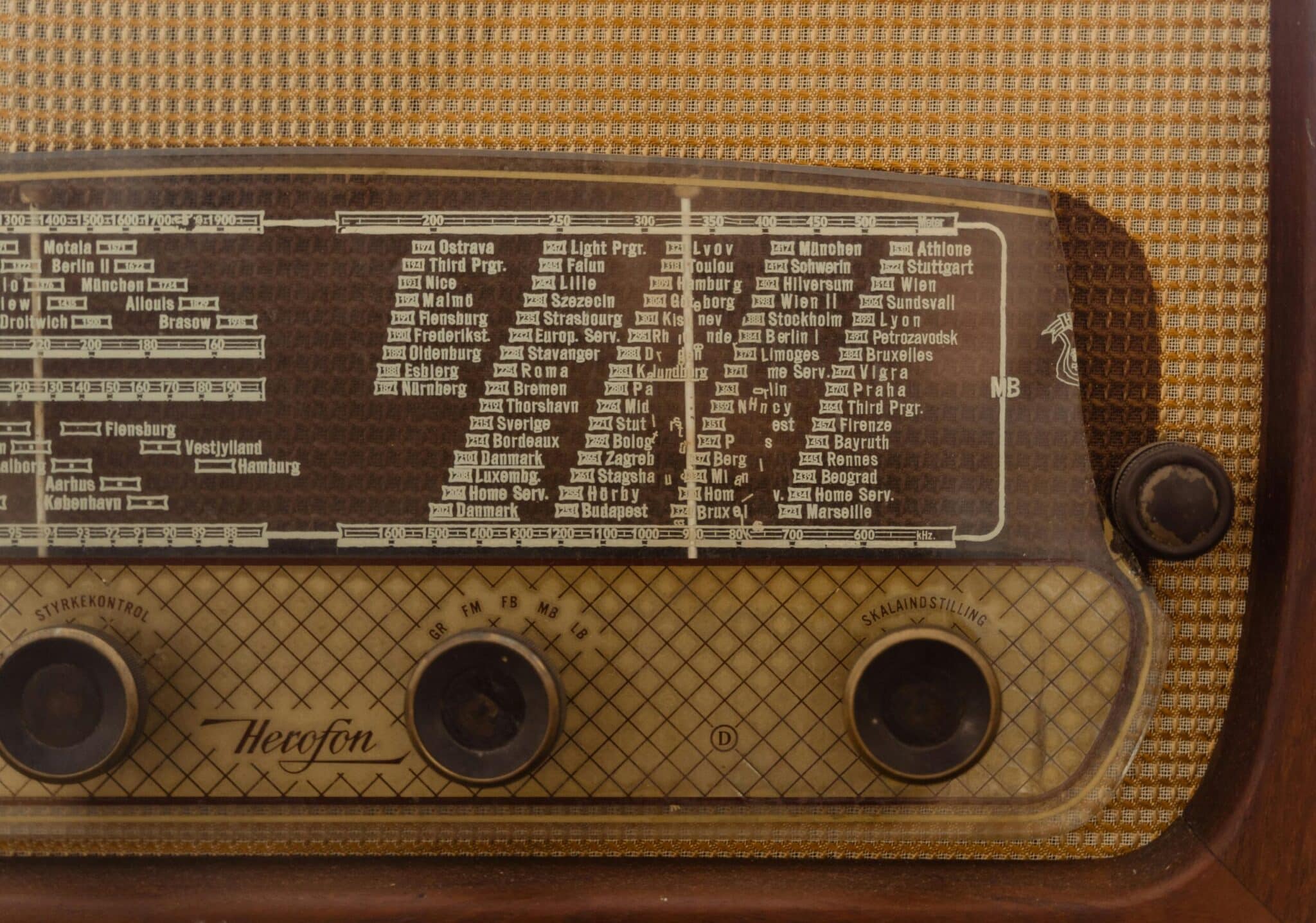
Music has always been a time machine, transporting us back to moments we thought were lost forever. International hits from past decades carry more than melodies—they hold memories, emotions, and the essence of entire generations.


There’s something magical about hearing the opening chords of a song that defined your youth. Whether it’s the synth-heavy anthems of the 80s, the grunge rebellion of the 90s, or the disco fever of the 70s, these international tracks didn’t just top charts—they shaped cultures, influenced fashion, and became the soundtracks to our lives.
Anúncios
Today, nostalgia isn’t just a feeling—it’s a lifestyle. Streaming platforms are filled with throwback playlists, movies are being remade with vintage soundtracks, and fashion trends are cycling back through the decades. The world is ready to celebrate the music that made us who we are. 🎵
🎸 The Golden Era of Rock: Anthems That Defined Rebellion
When we talk about international music that marked epochs, rock music stands as a towering monument. From The Beatles revolutionizing pop culture in the 60s to Queen delivering stadium-shaking performances in the 70s and 80s, rock wasn’t just music—it was a movement.
Anúncios
Songs like “Bohemian Rhapsody” by Queen transcended traditional song structures, creating a six-minute operatic masterpiece that still gives listeners goosebumps. Meanwhile, Led Zeppelin’s “Stairway to Heaven” became the unofficial anthem of classic rock, played at countless concerts and bonfire gatherings around the world.
The raw energy of AC/DC’s “Back in Black” and the haunting beauty of Pink Floyd’s “Comfortably Numb” captured different facets of human emotion. These weren’t just songs—they were statements about freedom, individuality, and the power of artistic expression.
🎤 Icons Who Changed Everything
Artists like David Bowie didn’t just make music; they created personas and challenged societal norms. His constant reinvention from Ziggy Stardust to the Thin White Duke showed that music could be theatrical, visual, and deeply personal all at once.
The Rolling Stones proved that rock and roll could have longevity, continuing to tour and create relevant music across six decades. Their song “Paint It Black” still resonates with its dark, sitar-infused melody that perfectly captured the mood of the 60s counterculture.
✨ Disco Fever: When Dance Floors Became Sacred Spaces
The late 70s brought us disco, a genre that transformed nightclubs into temples of rhythm and liberation. Donna Summer’s “I Feel Love” pioneered electronic dance music, while the Bee Gees’ soundtrack for “Saturday Night Fever” became the defining sound of an entire era.
ABBA brought disco to mainstream pop with infectious melodies like “Dancing Queen” and “Mamma Mia,” proving that Scandinavian artists could dominate international charts. Their music was joyful, escapist, and perfectly produced—qualities that have kept their songs relevant decades later.
Earth, Wind & Fire combined disco with funk, soul, and jazz, creating timeless tracks like “September” that are still played at weddings, parties, and celebrations worldwide. The genre’s emphasis on inclusivity and celebration made dance floors democratic spaces where everyone belonged.

🎹 The Synthesizer Revolution: 80s Pop That Redefined Cool
The 1980s introduced synthesizers as the dominant instrument, creating a futuristic sound that perfectly matched the decade’s optimism and technological advancement. Bands like Depeche Mode, Duran Duran, and The Human League crafted electronic landscapes that felt both alien and intimately human.
Michael Jackson’s “Thriller” became the best-selling album of all time, with its title track’s music video revolutionizing the medium and turning MTV into a cultural phenomenon. “Billie Jean,” “Beat It,” and “Thriller” weren’t just songs—they were global events that united audiences across continents.
Madonna emerged as the queen of pop reinvention, with tracks like “Like a Virgin” and “Material Girl” challenging gender norms while delivering undeniably catchy hooks. Her ability to blend controversy with commercial appeal made her one of the most influential artists of the century.
🌟 Synth-Pop Masterpieces
A-ha’s “Take On Me” combined innovative rotoscope animation with an irresistible melody, creating one of the most memorable music videos ever produced. The song’s soaring vocals and synthesizer riffs epitomized 80s pop perfection.
Phil Collins brought emotional depth to pop music with “In the Air Tonight,” featuring one of the most iconic drum breaks in music history. The song’s mysterious lyrics and atmospheric production have kept audiences speculating about its meaning for decades.
Eurythmics’ “Sweet Dreams (Are Made of This)” offered a darker, more brooding take on synth-pop, with Annie Lennox’s androgynous style challenging conventional pop star imagery while the song’s hypnotic bassline became instantly recognizable worldwide.
🎧 Grunge and Alternative: The Sound of Generation X
The early 90s saw a seismic shift when grunge exploded from Seattle, bringing raw emotion and stripped-down instrumentation back to mainstream rock. Nirvana’s “Smells Like Teen Spirit” became an accidental anthem for disaffected youth, with Kurt Cobain’s tortured vocals expressing feelings many couldn’t articulate.
Pearl Jam offered a more melodic approach with songs like “Jeremy” and “Alive,” tackling serious subjects like bullying and survival while maintaining radio-friendly hooks. Their commitment to artistic integrity over commercial success made them legends among fans.
Radiohead pushed alternative rock into experimental territory with “Creep” first, then later with the groundbreaking album “OK Computer,” which explored themes of technology, alienation, and modern anxiety in ways that predicted our current digital age.
💿 Hip-Hop Goes Global: Rhymes That Changed the Game
While hip-hop originated in the Bronx, international artists took the genre global throughout the 80s and 90s. Run-DMC’s collaboration with Aerosmith on “Walk This Way” broke down barriers between rock and rap, proving that musical fusion could create something entirely new.
Public Enemy brought political consciousness to mainstream hip-hop with “Fight the Power,” using Chuck D’s powerful delivery to address systemic racism and inequality. The song became synonymous with social activism and remains relevant in today’s movements.
The Notorious B.I.G. and Tupac Shakur elevated storytelling in rap to cinematic levels, with tracks that painted vivid pictures of street life, ambition, and mortality. Their tragic deaths only amplified their legendary status and the impact of their music.
🌍 British Invasion of Hip-Hop
While American hip-hop dominated, British artists like The Streets brought a uniquely UK perspective with “Dry Your Eyes,” blending garage beats with conversational lyrics about everyday life. This paved the way for the grime movement that would explode in the 2000s.
🎼 Power Ballads: Emotional Epics That Made Us Cry
No discussion of era-defining music is complete without acknowledging power ballads—those soaring, emotional tracks that combined rock instrumentation with vulnerable lyrics. Journey’s “Don’t Stop Believin'” has become perhaps the most enduring example, experiencing multiple resurgences in popularity.
Bon Jovi’s “Livin’ on a Prayer” captured working-class struggles with an anthemic chorus that invited stadium-sized singalongs. The song’s message of perseverance resonated across economic boundaries, making it a universal anthem of hope.
Guns N’ Roses delivered raw emotion with “November Rain,” featuring Slash’s unforgettable guitar solo in the rain—a music video moment that became iconic. The nine-minute epic proved that mainstream audiences still craved ambitious, complex compositions.
🌈 Pop Princesses and Boy Bands: Late 90s Teen Dreams
The late 90s and early 2000s saw manufactured pop reach new heights with carefully crafted acts dominating charts. Britney Spears’ “…Baby One More Time” launched a phenomenon, with its school uniform video becoming instantly iconic and controversial.
The Backstreet Boys and *NSYNC proved that harmonies and choreography could sell millions of albums, creating songs like “I Want It That Way” that remain karaoke favorites. Their rivalry fueled fan devotion and magazine sales in equal measure.
Christina Aguilera showcased powerful vocals that separated her from peers, while Pink brought a rebellious edge to pop music. These artists showed that the pop princess mold could accommodate different personalities and artistic approaches.
🎺 One-Hit Wonders That Defined Moments
Some songs achieve immortality despite their artists never replicating that success. Soft Cell’s “Tainted Love” became the definitive synthpop cover, transforming a Northern Soul track into an 80s essential that still fills dance floors.
Los Del Rio’s “Macarena” became a global phenomenon in 1996, with its dance transcending language barriers and becoming a cultural touchstone—performed at weddings, sporting events, and parties worldwide despite being fundamentally silly.
Chumbawamba’s “Tubthumping” captured the spirit of resilience with its chorus about getting knocked down and getting back up, becoming an unlikely anthem that outlived its novelty status to become genuinely beloved.
🎵 Why These Songs Still Matter Today
The enduring appeal of these international hits goes beyond mere nostalgia. These songs captured authentic moments in cultural evolution, documenting social changes, technological advances, and shifting attitudes. When we listen to them today, we’re not just hearing music—we’re experiencing history.
Modern artists continue to sample, reference, and pay homage to these classics, proving their musical DNA remains vital. The Weeknd’s 80s-inspired sound, Dua Lipa’s disco revival, and Greta Van Fleet’s classic rock homage all demonstrate how these eras continue influencing contemporary music.
Streaming platforms have democratized access to these catalogs, allowing younger generations to discover tracks their parents loved. This creates intergenerational connections through shared musical experiences, with grandparents, parents, and children all recognizing the same iconic songs.
📱 Technology Preserves Musical Heritage
Digital restoration has given these classic tracks new life, with remastered versions revealing details that vinyl and cassette technology couldn’t capture. High-fidelity streaming means listeners can hear these songs as their creators intended, with clarity that would have amazed 20th-century audiences.
Social media has created communities around specific eras and genres, with dedicated accounts sharing rare footage, album artwork, and behind-the-scenes stories. This keeps the context of these songs alive, ensuring they’re understood as cultural artifacts, not just audio files.
🌟 Creating Your Personal Time Capsule
Building playlists that span decades allows you to create your own musical journey through time. Start with songs that marked personal milestones—your first dance, a road trip with friends, or a song that helped you through difficult times. Then expand outward to explore other hits from those same periods.
Consider organizing songs thematically rather than chronologically—grouping all power ballads together, or creating a playlist of songs about specific emotions regardless of when they were released. This approach reveals surprising connections between different eras and genres.
Share these playlists with friends and family, encouraging them to add their own favorites. Music becomes more meaningful when experienced communally, and you might discover incredible tracks you’d somehow missed during their original run.
🎤 The Nostalgic Renaissance Continues
We’re currently experiencing a full-scale nostalgia revival across entertainment. Biopics about Queen, Elton John, and Whitney Houston have introduced classic songs to new audiences while reminding older fans why they fell in love with this music originally.
Television shows like “Stranger Things” have revitalized 80s tracks, sending songs like Kate Bush’s “Running Up That Hill” back up the charts decades after release. This proves that great music doesn’t have an expiration date—it simply waits for the right moment to resonate again.
Concert tours featuring classic acts selling out stadiums worldwide demonstrate that these songs still have commercial and emotional power. Seeing thousands of people singing along to 40-year-old tracks creates magical moments that transcend generational differences.
🎸 Keeping the Legacy Alive
Supporting music education ensures future generations understand the musical vocabulary these classics established. Learning to play these songs helps young musicians understand song structure, arrangement, and the emotional power of well-crafted melodies.
Vinyl sales have resurged, with younger listeners appreciating the ritual and warmth of analog sound. Collecting physical media creates tangible connections to music history, with album artwork and liner notes providing context that streaming services can’t replicate.
Attending tribute bands and cover performances keeps these songs in active rotation at live venues. While nothing replaces seeing original artists, talented tribute acts ensure the music continues being performed for audiences who crave that live energy.
The international songs that marked past epochs aren’t trapped in history—they’re living, breathing parts of our ongoing cultural conversation. Each generation reinterprets them through their own lens, finding new meanings and creating fresh memories with familiar melodies. Whether you’re rediscovering old favorites or exploring these classics for the first time, the nostalgia in the air isn’t just pleasant—it’s essential. These songs remind us where we’ve been, who we were, and how music has the unique power to unite us across time, geography, and experience. So turn up the volume, let the memories flow, and enjoy the timeless magic of music that truly marked its era. 🎶
