
Anúncios
Is your furry friend turning your home into a chaotic playground? Training your pet at home can transform stubborn behavior into calm obedience, creating a harmonious living space for everyone.


Every pet owner dreams of a well-behaved companion who listens, follows commands, and remains calm in various situations. The reality, however, often involves chewed furniture, endless barking, jumping on guests, and general stubbornness that tests your patience daily. The good news? You don’t need expensive professional trainers or boarding schools to achieve remarkable results.
Anúncios
Home-based pet training offers incredible advantages including stronger bonding, consistent reinforcement, and the ability to address specific behavioral issues in the environment where they occur. With the right approach, dedication, and proven techniques, you can transform your pet’s behavior and enjoy a peaceful, loving relationship that benefits everyone in your household. 🐾
Understanding Why Your Pet Acts Stubbornly
Before diving into training methods, it’s essential to understand the root causes of stubborn behavior. Many pet owners mistake independence, confusion, or lack of proper communication for defiance. Dogs and cats don’t act out of spite—they respond to their environment, past experiences, and the consistency of boundaries you establish.
Anúncios
Common reasons for stubborn behavior include insufficient mental stimulation, inconsistent rules from different family members, lack of physical exercise, anxiety or stress, medical issues causing discomfort, and simply not understanding what you’re asking. Recognizing these underlying factors helps you approach training with empathy and effectiveness rather than frustration.
Your pet’s breed characteristics also play a significant role. Working breeds like Border Collies require more mental challenges, while independent breeds like Shiba Inus need patience and creative motivation techniques. Understanding your pet’s natural tendencies allows you to tailor training approaches that work with their instincts rather than against them.
Creating the Perfect Training Environment at Home
Your home environment significantly impacts training success. Start by designating a quiet, distraction-free area for initial training sessions. This space should be comfortable, well-lit, and away from windows where outdoor distractions might interrupt focus. As your pet progresses, gradually introduce training in different rooms and situations to reinforce learning across various contexts.
Remove potential distractions during training time. Turn off televisions, ask family members to give you space, and put away toys that might compete for attention. Your pet should understand that training time is focused work, not play time. This mental distinction helps them switch into learning mode more quickly as training becomes routine.
Gather essential training supplies including high-value treats (small, soft, and irresistible), a clicker or marker word, a comfortable collar or harness, a standard leash, and toys for reward-based play. Keep these items easily accessible but stored away when not training to maintain their special status as training rewards.
Essential Foundation Commands Every Pet Should Master
Building a calm, obedient pet starts with mastering basic foundation commands. These form the building blocks for all future training and provide you with tools to manage behavior in any situation. Focus on quality over quantity—it’s better to have three commands performed reliably than ten commands your pet ignores.
The Power of “Sit” 🪑
The sit command is your gateway to impulse control. Hold a treat close to your pet’s nose, then slowly move it upward and backward over their head. As their nose follows the treat, their bottom naturally lowers. The moment it touches the ground, mark with “yes!” or a clicker, then immediately reward. Practice this 5-10 times per session, twice daily.
Once your pet reliably sits with the lure, begin fading the treat motion while adding the verbal cue “sit” just before the action. Eventually, your pet will respond to the word alone. Use sit before meals, when greeting guests, before going through doors, and anytime your pet needs to calm down and focus on you.

Mastering “Stay” for Impulse Control
Stay teaches patience and self-control, essential qualities for a calm pet. Start with your pet in a sit position. Hold your palm out in a stop gesture and say “stay.” Wait just one second, then mark and reward while your pet is still in position. Gradually increase duration before rewarding, working up to 30 seconds, then a minute, and beyond.
Next, add distance by taking one step back, then returning to reward. Slowly increase the distance as success continues. Finally, introduce distractions like bouncing a ball or having someone walk by. This three-dimensional approach—duration, distance, and distraction—creates reliable stay behavior in any situation.
The Life-Saving “Come” Command
A reliable recall can literally save your pet’s life. Start indoors with zero distractions. Say your pet’s name followed by “come” in an enthusiastic, happy voice. As they move toward you, encourage them with praise. When they reach you, reward generously with treats and affection. Never call your pet to come for something unpleasant like nail trimming or punishment.
Practice with a long leash outdoors, gradually allowing more freedom while maintaining control. Make coming to you the best decision your pet can make by offering jackpot rewards—multiple treats, favorite toys, or extra playtime. If your pet doesn’t respond, avoid repeating the command endlessly. Instead, make yourself more interesting by running away, sitting down, or making exciting noises.
Addressing Specific Stubborn Behaviors
General obedience training provides the foundation, but specific problem behaviors require targeted approaches. Let’s tackle the most common issues that drive pet owners to frustration and explore practical solutions you can implement immediately.
Stopping Excessive Barking 🔕
Excessive barking stems from boredom, territorial behavior, attention-seeking, or anxiety. First, identify the trigger. Does your dog bark at passing pedestrians? When left alone? When seeking attention? Each trigger requires a different approach. For attention-seeking barking, the solution is counterintuitive—completely ignore the behavior until silence occurs, then reward the quiet.
For territorial or alert barking, teach the “quiet” command. Allow a few barks (they’re doing their job alerting you), then say “quiet” while holding a treat near their nose. Most dogs can’t bark and sniff simultaneously. The moment silence occurs, mark and reward. Gradually extend the quiet duration before rewarding. Consistency transforms this from occasional success to reliable behavior.
Eliminating Jumping on People
Jumping greets you with enthusiasm but becomes problematic with guests, children, or when muddy paws are involved. The key is removing all reinforcement for jumping. When your pet jumps, immediately turn your back and cross your arms, becoming completely boring. No eye contact, no touch, no talking. The moment all four paws hit the ground, turn back and offer enthusiastic praise and attention.
Teach an alternative behavior like sitting for greetings. Before your pet has a chance to jump, ask for a sit. Reward the sit with the attention they were seeking through jumping. Practice with family members first, then recruit friends to help generalize the behavior. Everyone must be consistent—if one person rewards jumping, you’ll undo weeks of training progress.
Managing Destructive Chewing
Destructive chewing often results from insufficient exercise, boredom, teething in young pets, or separation anxiety. Ensure your pet receives adequate physical exercise—a tired pet is a well-behaved pet. Provide appropriate chew toys and make them more interesting than furniture by stuffing them with treats or peanut butter.
Catch your pet in the act when possible. Calmly interrupt with “eh-eh” or “leave it,” then redirect to an appropriate chew toy. When they chew the correct item, praise enthusiastically. Pet-proof your home by removing access to tempting items. If you can’t supervise, confine your pet to a safe area with appropriate outlets for chewing instincts. Remember, management prevents rehearsal of unwanted behaviors.
The Science Behind Calm Behavior Training
Effective training relies on understanding how pets learn. Positive reinforcement—rewarding desired behaviors—creates willing, enthusiastic learners. Punishment-based methods may achieve short-term compliance but damage trust, increase anxiety, and often create new behavioral problems. Modern training focuses on teaching what you want rather than punishing what you don’t.
Timing is critical in training. Rewards must occur within 1-3 seconds of the desired behavior for your pet to make the connection. This is where marker training with clickers or words like “yes!” becomes invaluable. The marker captures the exact moment of correct behavior, bridging the gap until the physical reward arrives.
Consistency creates clarity. If sit means sit sometimes but is ignored other times, your pet learns that commands are optional suggestions. Every family member must enforce the same rules using the same cues. Write down your training commands and protocols so everyone follows identical procedures. This consistency accelerates learning and reduces confusion.
Building Calmness Through Impulse Control Games
Beyond basic obedience, impulse control games teach your pet to think before acting, creating that coveted calm demeanor. These games are engaging, mentally exhausting, and strengthen your bond while improving behavior. ✨
The Wait Game: Hold a treat in your closed fist. Your pet will likely paw, lick, and nudge your hand. Ignore all these attempts. The moment they pull back and wait calmly, open your hand and allow them to take the treat. This teaches that patience and self-control earn rewards, while demanding behavior gets nothing.
Leave It: Place a treat on the floor and cover it with your hand. Say “leave it” as your pet tries to get it. Wait for them to pull back and look at you, then mark and reward with a different, better treat from your other hand. Never let them have the “leave it” item—they’re learning to ignore temptations, and the reward comes from you for making good choices.
Door Manners: Before opening any door, require a sit-stay. Reach for the doorknob. If your pet breaks position, your hand moves away. Repeat until they remain seated as you touch the knob, then turn it, then crack the door. Only when they maintain control through the entire process do they earn permission to go through. This prevents door-dashing and teaches patience.
Mental Stimulation: The Secret to a Calm Pet 🧠
Physical exercise exhausts the body, but mental stimulation exhausts the mind. A mentally tired pet is dramatically calmer than one with pent-up mental energy. Incorporate puzzle toys that dispense treats as your pet solves them. Hide treats around your home for scent-based searching games. Teach new tricks regularly—learning itself is mentally exhausting.
Rotate toys weekly to maintain novelty and interest. A toy that’s been away for a week becomes exciting again. Practice training sessions in new locations—the mental challenge of performing known behaviors in novel environments provides significant mental work. Even five minutes of focused training can provide more mental exhaustion than a 30-minute walk.
Consider food puzzle toys for meals rather than bowl feeding. This transforms eating from a 30-second activity into a 10-20 minute mental workout. Frozen stuffed toys provide even longer engagement. These changes tap into natural foraging instincts while preventing boredom-driven destructive behaviors.
Creating a Training Schedule That Actually Works
Consistency requires a realistic schedule. Short, frequent sessions outperform long, occasional ones. Aim for 3-5 training sessions daily, each lasting just 5-10 minutes. This prevents mental fatigue while maintaining engagement. Schedule sessions before meals when your pet is hungry and treat-motivated, or before activities they enjoy like walks.
Track progress in a simple journal. Note which behaviors you practiced, successes, challenges, and your pet’s mood. Patterns emerge that help you identify optimal training times, most effective rewards, and behaviors needing more attention. Celebrate small victories—training is a journey, not a destination.
Build training into daily routines rather than treating it as a separate activity. Practice sit before meals, stay before throwing toys, come during backyard play, and down while watching television. This integrates obedience into everyday life, making commands reliable in real-world situations rather than just formal training sessions.
Troubleshooting Common Training Challenges
Every training journey encounters obstacles. If your pet isn’t progressing, evaluate these common issues. Are you training too long, causing mental fatigue? Break sessions shorter. Is your pet distracted? Train in a quieter location or at a different time. Are treats not motivating? Upgrade to higher-value rewards like chicken or cheese.
If your pet seems confused, you may be progressing too quickly. Return to an earlier, successful step and rebuild from there. Training isn’t linear—sometimes you need to take one step back to take two steps forward. Patience and flexibility separate successful trainers from frustrated ones.
Consider whether health issues might be interfering. Pain, hearing loss, vision problems, or cognitive decline in senior pets all impact training. When behavior suddenly changes or training progress stalls inexplicably, consult your veterinarian to rule out medical causes before assuming stubbornness.
The Role of Exercise in Behavioral Transformation
Never underestimate exercise’s impact on behavior. An under-exercised pet has excess energy that manifests as hyperactivity, destructiveness, and difficulty focusing. Different breeds and ages require varying exercise amounts, but all pets need daily physical activity appropriate to their capabilities. 🏃
Vary exercise types to prevent boredom. Walking provides physical activity and mental stimulation through environmental exploration. Play sessions offer bonding and prey-drive satisfaction. Swimming provides low-impact exercise for senior pets or those with joint issues. Dog sports like agility or nosework combine physical and mental challenges.
Morning exercise sets a calm tone for the day. A well-exercised pet is more likely to rest peacefully while you work or complete household tasks. Evening exercise helps burn off accumulated energy, promoting better nighttime sleep. This exercise-rest cycle creates naturally calmer behavior patterns without constant management.
Maintaining Long-Term Success and Preventing Regression
Reaching training goals isn’t the finish line—maintenance ensures lasting results. Continue practicing commands regularly even after mastery. Skills fade without reinforcement. Incorporate obedience into daily life rather than abandoning practice once goals are achieved. A quick training game several times weekly maintains sharp skills.
Life changes like moving, new family members, or schedule shifts can trigger behavioral regression. During transitions, temporarily increase training frequency and return to basics if needed. Provide extra patience and support as your pet adjusts to new circumstances. Consistency during change prevents temporary setbacks from becoming permanent problems.
Continue challenging your pet mentally throughout their life. Learning new tricks, exploring new environments, and meeting friendly new people and pets keeps minds active and behaviors sharp. Ongoing enrichment prevents boredom and maintains the calm, focused demeanor you’ve worked so hard to develop.
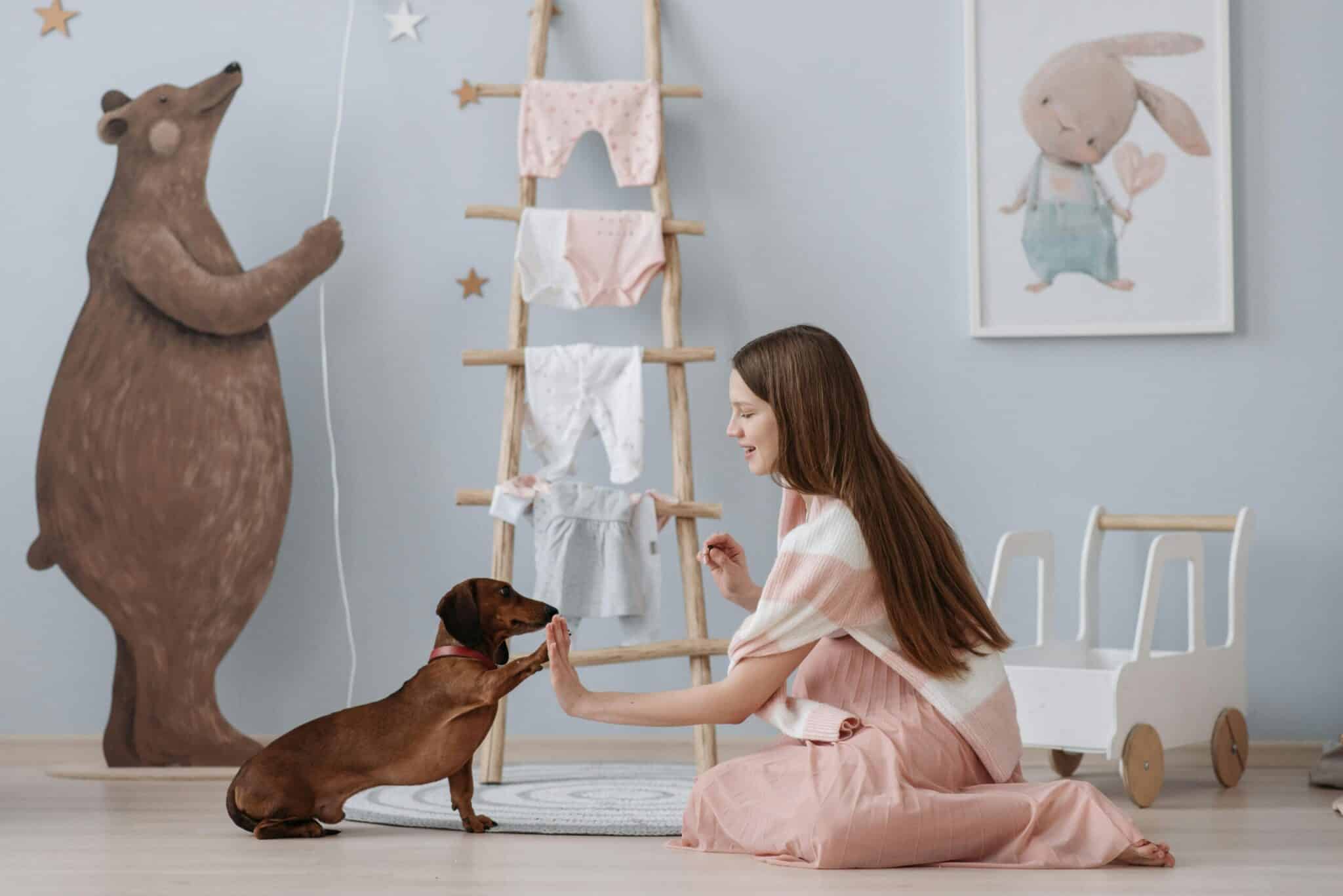
Celebrating Your Success and Strengthening Your Bond 🎉
Training transforms more than behavior—it deepens your relationship with your pet. You’ve learned to communicate clearly, understand their needs, and work as a team. Your pet has learned to trust your guidance and finds security in your consistent leadership. This mutual understanding is the foundation of a peaceful, harmonious household.
Celebrate milestones along your training journey. The first successful stay, the moment your pet chooses to come when called despite distractions, the quiet evening without excessive barking—these victories deserve recognition. Share progress with friends and family who can appreciate how far you’ve come together.
Remember that training is never truly complete. As your pet ages, their needs change. Puppies become adults, adults become seniors, and each life stage brings new considerations. The skills and patience you’ve developed through home training serve you throughout your pet’s entire life, adapting to whatever challenges and joys the future brings.
Your commitment to training your pet at home demonstrates love and dedication. You’ve invested time, energy, and patience to create a calmer, happier companion. The stubborn behaviors that once tested your limits have transformed into reliable obedience and peaceful coexistence. Your home is calmer, your bond is stronger, and your pet is more confident and secure knowing what’s expected. This transformation didn’t require expensive trainers or special facilities—just your dedication, consistency, and the proven techniques you’ve learned. Continue this journey with confidence, knowing you have the tools to address any behavioral challenge that arises. Your pet’s best behavior starts at home, and you’ve created the foundation for a lifetime of harmony together.
