
Anúncios
Joint pain can be debilitating, affecting your daily activities and overall quality of life. Fortunately, nature offers powerful remedies that may help alleviate this discomfort naturally.


For centuries, traditional medicine has relied on herbal teas to combat inflammation and joint discomfort. These natural beverages contain compounds that work synergistically with your body to reduce pain, improve mobility, and support long-term joint health.
Anúncios
Whether you’re dealing with arthritis, sports injuries, or age-related joint deterioration, incorporating the right teas into your daily routine can make a remarkable difference. Let’s explore the most effective herbal remedies that science and tradition have validated for joint pain relief. ☕
🌿 Why Tea Works for Joint Pain Relief
The therapeutic power of tea lies in its bioactive compounds, particularly polyphenols, flavonoids, and antioxidants. These molecules combat inflammation at the cellular level, addressing the root cause of joint pain rather than merely masking symptoms.
Anúncios
Unlike pharmaceutical interventions that often come with side effects, herbal teas offer a gentler approach to managing discomfort. They hydrate your body while delivering anti-inflammatory agents directly to affected tissues through your bloodstream.
Research has shown that consistent consumption of certain herbal teas can significantly reduce inflammatory markers in the body. This reduction translates to less swelling, improved range of motion, and decreased pain perception in joints throughout the body.
🍃 Green Tea: The Anti-Inflammatory Powerhouse
Green tea stands out as one of the most researched beverages for joint health. Its high concentration of epigallocatechin gallate (EGCG) provides exceptional anti-inflammatory properties that specifically target joint tissue.
Studies have demonstrated that regular green tea consumption can slow cartilage degradation and protect against oxidative stress in joints. The catechins in green tea work by inhibiting enzymes that break down collagen, essentially preserving the structural integrity of your joints.
For optimal results, aim for three to four cups daily. Steep your green tea for no more than three minutes in water that’s around 175°F to preserve its delicate antioxidants without releasing excessive bitterness.
How to Prepare Green Tea for Maximum Benefits
Use loose-leaf tea whenever possible, as it typically contains higher concentrations of beneficial compounds. Add a squeeze of lemon to enhance catechin absorption by up to five times, making each cup significantly more effective.
Avoid adding milk, as dairy proteins can bind to polyphenols and reduce their bioavailability. If you need sweetness, opt for raw honey, which adds its own anti-inflammatory properties to the mix.
🌺 Turmeric Ginger Tea: The Golden Combination
This dynamic duo creates one of nature’s most potent anti-inflammatory remedies. Turmeric contains curcumin, a compound extensively studied for its ability to reduce joint pain and stiffness, particularly in arthritis patients.
Ginger complements turmeric by providing gingerols and shogaols, compounds that inhibit inflammatory pathways similar to over-the-counter pain medications but without the gastrointestinal side effects.
Clinical trials have shown that curcumin can be as effective as certain pharmaceutical anti-inflammatory drugs for managing osteoarthritis symptoms. When combined with ginger’s warming properties, this tea becomes a comprehensive joint support solution.

Recipe for Turmeric Ginger Joint Relief Tea
Bring four cups of water to a boil with one tablespoon of freshly grated ginger and one teaspoon of turmeric powder. Reduce heat and simmer for ten minutes, then strain into your favorite mug.
Add a pinch of black pepper to activate curcumin absorption by up to 2000%. Finish with a teaspoon of coconut oil or ghee, as curcumin is fat-soluble and requires lipids for proper absorption into your system.
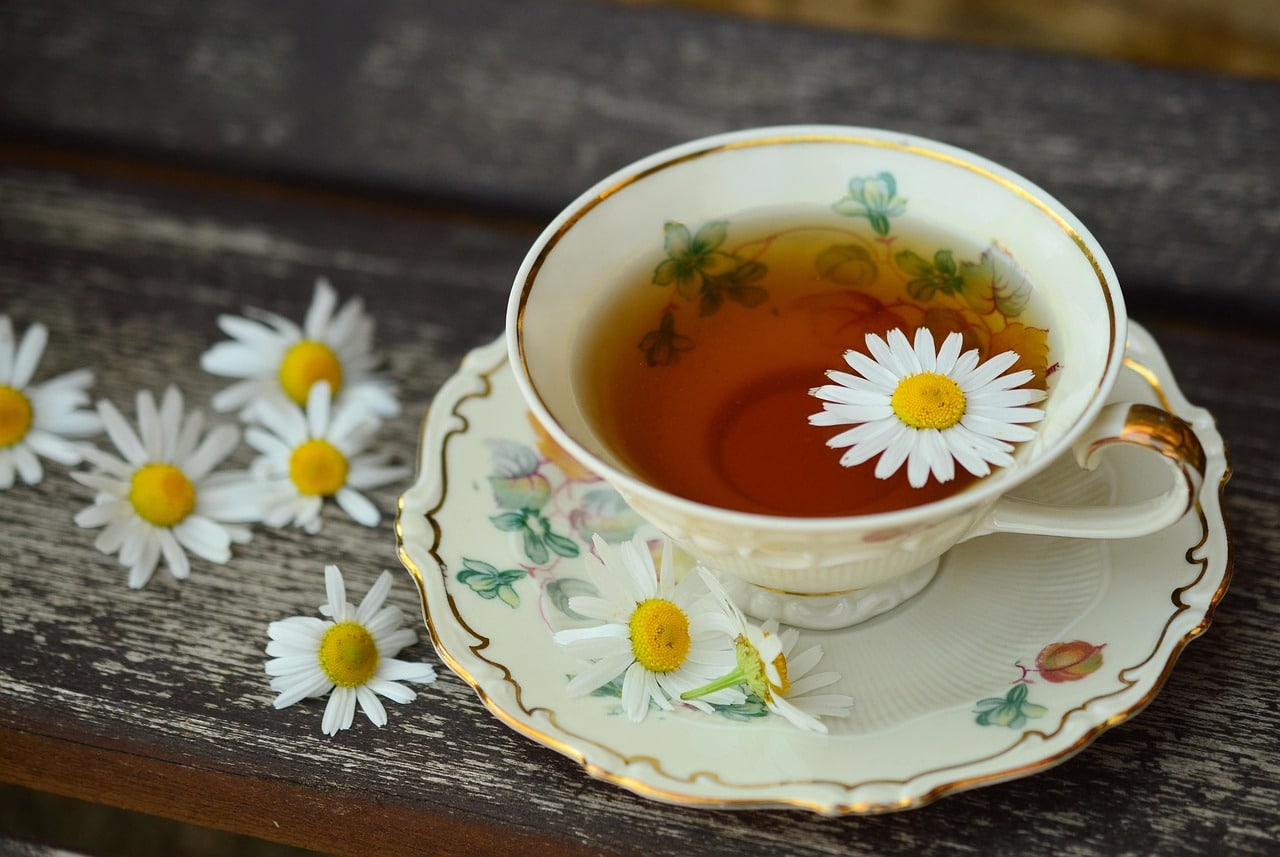
🌼 Chamomile Tea: The Gentle Soother
While often associated with sleep and relaxation, chamomile offers surprising benefits for joint health. Its apigenin content provides mild anti-inflammatory effects that can ease discomfort without drowsiness during daytime consumption.
Chamomile works particularly well for individuals whose joint pain worsens with stress or tension. The tea’s calming properties reduce cortisol levels, which can indirectly decrease inflammation throughout the body.
This gentle herb is ideal for those who cannot tolerate stronger remedies or who need a mild, daily maintenance approach to joint care. It’s especially beneficial when consumed before bed, as quality sleep is crucial for joint repair and recovery.
🍒 Tart Cherry Tea: Nature’s Pain Reliever
Tart cherries contain anthocyanins, powerful antioxidants that give them their deep red color and exceptional anti-inflammatory properties. Research suggests these compounds may reduce uric acid levels, making tart cherry tea particularly effective for gout-related joint pain.
Athletes have long used tart cherry juice to reduce muscle soreness and inflammation after intense training. The same mechanisms apply to joint tissue, making this tea an excellent choice for active individuals dealing with overuse injuries.
Studies have shown that consuming tart cherry products can reduce inflammatory markers by up to 25% within just a few weeks. The tea form provides hydration benefits while delivering concentrated doses of joint-protective compounds.
Selecting Quality Tart Cherry Products
Look for organic, unsweetened tart cherry tea or make your own by steeping dried tart cherries. Avoid products with added sugars, as excess glucose can actually promote inflammation and counteract the cherries’ beneficial effects.
For maximum potency, consume tart cherry tea twice daily—once in the morning and once in the evening. Consistency is key, as the anti-inflammatory benefits accumulate over time with regular consumption.
🌱 Willow Bark Tea: Nature’s Aspirin
Willow bark has been used for pain relief since ancient times, and modern science confirms its effectiveness. It contains salicin, a compound that your body converts into salicylic acid—the same active ingredient found in aspirin.
This natural alternative provides pain relief without some of the harsh side effects associated with synthetic medications. Willow bark tea works particularly well for lower back pain and osteoarthritis affecting weight-bearing joints.
However, because of its aspirin-like properties, willow bark tea should not be combined with blood thinners or used by individuals with aspirin sensitivities. Always consult with a healthcare provider before adding this powerful remedy to your routine.
🍵 Nettle Tea: The Mineral-Rich Joint Supporter
Stinging nettle might seem like an unlikely ally, but this nutrient-dense herb offers exceptional support for joint health. Rich in minerals like calcium, magnesium, and silica, nettle tea helps build and maintain strong bones and connective tissue.
The anti-inflammatory compounds in nettle work by reducing levels of inflammatory cytokines while simultaneously providing building blocks for cartilage repair. This dual action makes it particularly valuable for long-term joint health maintenance.
Nettle tea has a slightly earthy, spinach-like flavor that blends well with mint or lemon. Many people find it more palatable when mixed with other herbs, creating custom blends tailored to their taste preferences and therapeutic needs.
💚 Rosehip Tea: The Vitamin C Booster
Rosehips, the fruit of the rose plant, contain exceptionally high levels of vitamin C—essential for collagen synthesis and joint tissue repair. This makes rosehip tea invaluable for anyone dealing with degenerative joint conditions.
Beyond vitamin C, rosehips provide galactolipids, specialized fatty acids that have demonstrated significant anti-inflammatory effects in clinical studies. Participants in research trials reported reduced pain and improved flexibility after just three weeks of rosehip supplementation.
The pleasant, slightly tart flavor makes rosehip tea enjoyable on its own or blended with hibiscus for added antioxidant power. It’s naturally caffeine-free, making it suitable for consumption throughout the day and evening.
🌿 Creating Your Personal Joint Support Tea Blend
Combining multiple beneficial herbs can create synergistic effects that surpass what any single ingredient offers alone. Consider blending green tea with turmeric and ginger for comprehensive inflammation control and antioxidant protection.
Experiment with ratios until you find a flavor profile that encourages daily consumption. Consistency matters more than perfection—the best tea is the one you’ll actually drink regularly.
Sample Anti-Inflammatory Tea Blend Recipe
- 2 parts green tea leaves
- 1 part dried ginger root
- 1 part turmeric powder
- 1 part nettle leaf
- 1/2 part rosehips
- 1/4 part black pepper (for curcumin activation)
Mix these dried ingredients thoroughly and store in an airtight container away from light and heat. Use one tablespoon per cup of hot water, steeping for five to seven minutes before straining.
⏰ When and How Much Tea to Drink
Timing your tea consumption can maximize its therapeutic benefits. Drinking anti-inflammatory tea with meals can reduce digestive discomfort while ensuring better absorption of fat-soluble compounds like curcumin.
Most experts recommend consuming three to four cups daily for significant joint pain relief. Space these servings throughout the day to maintain consistent levels of anti-inflammatory compounds in your bloodstream.
Remember that herbal teas work cumulatively—you likely won’t experience dramatic relief after a single cup. Give your chosen remedy at least two to three weeks of consistent use before evaluating its effectiveness.
⚠️ Important Considerations and Precautions
While herbal teas are generally safe, they can interact with medications and aren’t suitable for everyone. Pregnant women, nursing mothers, and individuals on blood thinners should exercise particular caution with certain herbs like willow bark and turmeric.
Start with small amounts to assess your body’s response, especially if you’re trying multiple new herbs simultaneously. Monitor for any allergic reactions, digestive upset, or unexpected symptoms.
Herbal remedies complement but don’t replace professional medical care. If you’re experiencing severe or worsening joint pain, consult with a healthcare provider to rule out serious underlying conditions requiring conventional treatment.
🔄 Lifestyle Factors That Enhance Tea’s Effectiveness
Tea works best as part of a comprehensive approach to joint health. Maintaining a healthy weight reduces mechanical stress on weight-bearing joints, allowing anti-inflammatory compounds to work more effectively.
Regular low-impact exercise like swimming, cycling, or yoga keeps joints mobile and strengthens supporting muscles. Physical activity also improves circulation, helping deliver tea’s beneficial compounds more efficiently to affected areas.
Adequate hydration amplifies tea’s benefits by maintaining synovial fluid viscosity and supporting the elimination of inflammatory waste products. Aim for at least eight glasses of total fluids daily, counting your therapeutic teas toward this goal.
🍽️ Dietary Companions for Joint Health
Certain foods work synergistically with herbal teas to combat joint pain. Fatty fish rich in omega-3 fatty acids provide additional anti-inflammatory support, while colorful fruits and vegetables supply antioxidants that protect joint tissues from damage.
Avoid or minimize processed foods, refined sugars, and excessive alcohol, as these promote inflammation and can counteract the benefits of your herbal tea regimen. Think of your diet and tea consumption as partners working toward the same goal.
📊 Tracking Your Progress
Keep a simple journal noting your pain levels, mobility, and overall well-being as you begin your tea regimen. This documentation helps identify which remedies work best for your unique situation and keeps you motivated during the initial adjustment period.
Take note of factors like weather changes, activity levels, and stress, as these can influence joint pain independent of your tea consumption. Over time, patterns will emerge that help you optimize your natural pain management strategy.
🌟 The Long-Term Benefits of Herbal Tea for Joints
Beyond immediate pain relief, regular consumption of anti-inflammatory teas supports long-term joint health by slowing degenerative processes. The antioxidants protect cartilage from oxidative damage, potentially preserving joint function well into your later years.
Many people find that after several months of consistent tea consumption, they require fewer over-the-counter pain medications and experience improved overall well-being. This natural approach respects your body’s innate healing capabilities while providing gentle, sustained support.
Remember that joint health is a marathon, not a sprint. The small daily ritual of preparing and enjoying your therapeutic tea creates space for self-care while delivering compounds that protect and heal your body from within.
By embracing these time-tested remedies and making them part of your daily routine, you’re taking an active role in managing your joint health naturally. Each warm, soothing cup represents an investment in your mobility, comfort, and quality of life for years to come. 🌈
