
Anúncios
Training your pet at home is not only possible but highly rewarding. With the right techniques and consistency, you can transform stubborn behaviors into obedience and harmony.


Every pet owner knows the frustration of dealing with unruly behavior. Whether it’s incessant barking, jumping on guests, or refusing to follow basic commands, these habits can strain the bond between you and your furry companion. The good news? You don’t need expensive professional trainers to see real progress.
Anúncios
Home-based pet training empowers you to build trust, establish boundaries, and create a peaceful living environment. By dedicating just a few minutes each day to structured exercises, you’ll witness remarkable transformations in your pet’s behavior. Let’s explore proven techniques that work for dogs, cats, and other household pets. 🐾
Understanding Your Pet’s Natural Instincts and Behavior Patterns
Before diving into training methods, it’s crucial to understand why pets behave the way they do. Dogs, for instance, are pack animals with ingrained hierarchical instincts. They naturally seek leadership and structure. When they don’t find clear guidance, they may attempt to fill that leadership void themselves, leading to stubborn or dominant behaviors.
Anúncios
Cats operate differently. They’re independent creatures motivated primarily by curiosity, territory, and comfort. While training cats requires more patience than dogs, it’s entirely achievable when you work with their natural inclinations rather than against them.
Recognizing species-specific behaviors helps you tailor your approach. A dog pulling on the leash isn’t being malicious—they’re following their exploratory instincts. A cat scratching furniture isn’t vengeful—they’re maintaining their claws and marking territory. Understanding these motivations allows you to redirect behaviors effectively rather than simply punishing them.
Essential Foundation: Positive Reinforcement Techniques ✨
Positive reinforcement stands as the cornerstone of modern, humane pet training. This method rewards desired behaviors rather than punishing unwanted ones. The psychology is simple: pets repeat actions that result in pleasant outcomes.
Here’s how to implement positive reinforcement effectively:
- Timing is everything: Reward your pet immediately after they perform the desired behavior—within 2-3 seconds if possible. This creates a clear mental connection between action and reward.
- Choose high-value rewards: Find what truly motivates your pet. For food-motivated animals, use small, tasty treats. For play-driven pets, use favorite toys or enthusiastic praise.
- Be consistent: Every family member should follow the same training protocols. Mixed signals confuse pets and slow progress.
- Start small: Break complex behaviors into manageable steps. Reward approximations of the final behavior before expecting perfection.
Studies consistently show that positive reinforcement not only trains faster but also strengthens the emotional bond between pet and owner. Punishment-based methods may suppress behaviors temporarily but often create anxiety, fear, and trust issues.
Establishing Clear Communication Through Commands
Pets don’t understand human language naturally—they learn to associate specific sounds with actions and outcomes. Choosing the right commands and using them consistently is fundamental to successful training.
Select short, distinct words for each command. “Sit,” “stay,” “come,” “down,” and “leave it” form the foundation of basic obedience. Avoid using similar-sounding words that might confuse your pet. Say commands in a clear, firm (not harsh) tone, and always use the same word for the same action.
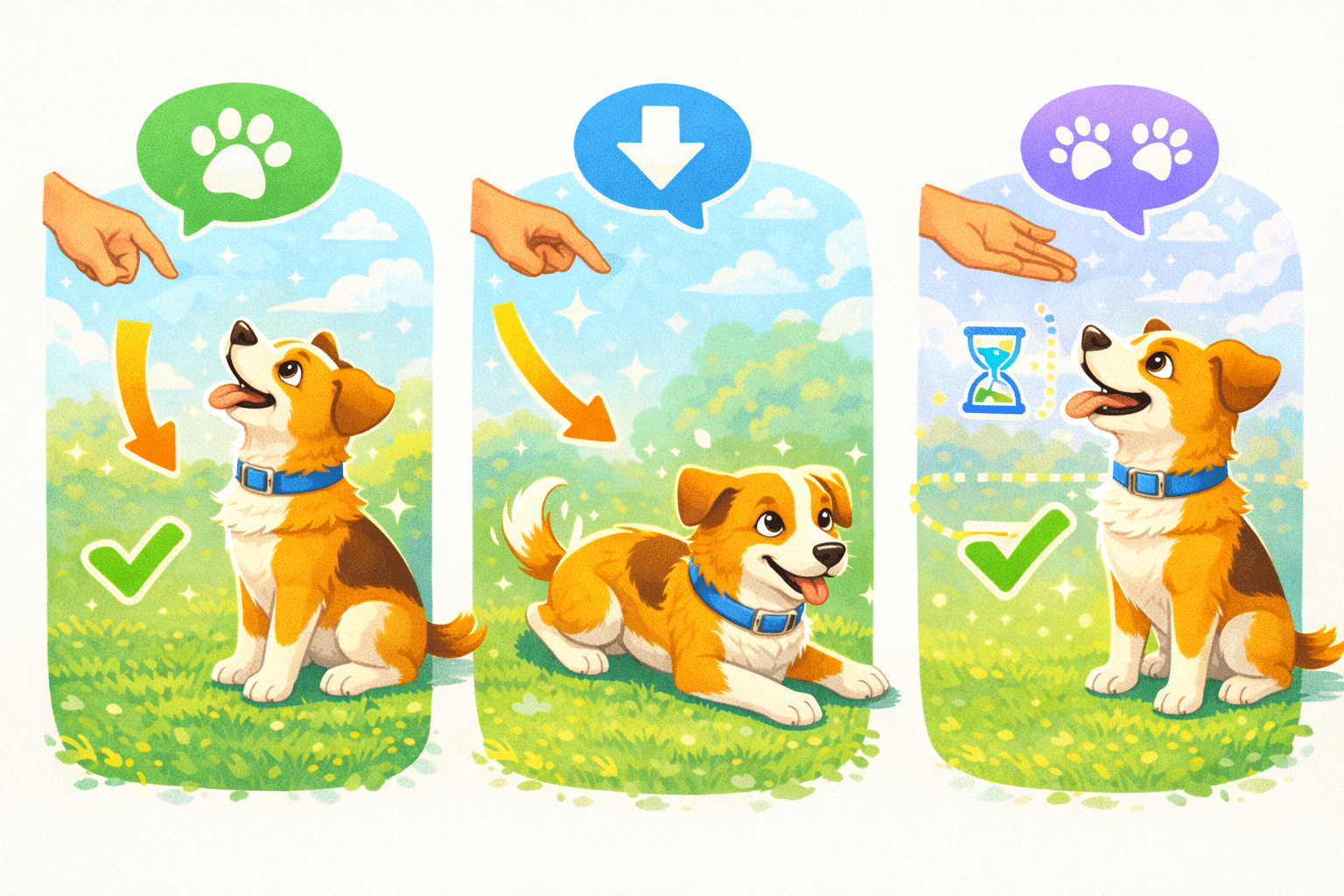
Body language matters just as much as verbal cues. Pets are extraordinarily perceptive to physical signals. Pair your verbal commands with consistent hand gestures. For example, an upward palm motion for “sit” or a flat hand for “stay.” Many trainers believe pets actually respond more reliably to visual cues than verbal ones.
The Power of Marker Training 🎯
Marker training uses a distinct sound—typically a clicker or a specific word like “yes”—to pinpoint the exact moment your pet performs correctly. This technique bridges the gap between behavior and reward, making learning faster and more precise.
Here’s the process: First, “charge” the marker by repeatedly making the sound and immediately giving a treat. Your pet quickly learns that the marker predicts rewards. Then, during training, use the marker the instant your pet does something right, followed by the reward. This clarity accelerates learning dramatically.

Tackling Stubborn Behaviors: Practical Solutions for Common Issues
Now let’s address the specific problems that drive pet owners to frustration. These techniques work for the most common behavioral challenges encountered at home.
Excessive Barking or Meowing
Vocalization serves various purposes: alerting, seeking attention, expressing anxiety, or boredom. Identify the trigger before attempting to modify the behavior.
For attention-seeking vocalization, employ the “ignore and reward” strategy. Completely ignore your pet when they bark or meow excessively—no eye contact, no speaking, no touching. The moment they’re quiet for even a few seconds, immediately reward them. Gradually increase the duration of silence required before rewarding.
If anxiety drives the noise, address the underlying stress through desensitization exercises. Gradually expose your pet to the anxiety trigger at low intensity while creating positive associations through treats and play.
Jumping on People
Dogs jump to greet faces—it’s natural canine communication. However, it’s inappropriate and potentially dangerous, especially around children or elderly individuals.
The solution involves two approaches. First, remove the reward: Turn away and ignore your dog completely when they jump. No pushing away (that’s still attention), no verbal corrections—just become a boring statue. Second, heavily reward the alternative behavior you want. When your dog keeps all four paws on the floor during greetings, shower them with treats and affection.
Consistency across all interactions and all people is critical. If some visitors allow jumping while others don’t, your training efforts will fail.
Leash Pulling During Walks 🐕
Walking should be enjoyable for both parties, but a pulling pet turns outings into exhausting battles. Teach your pet that pulling stops all forward progress.
The “tree method” works remarkably well: The instant your pet pulls, stop walking and become immovable like a tree. Wait patiently until they release tension on the leash, then immediately resume walking. Your pet learns that pulling prevents going forward, while a loose leash enables exploration.
Additionally, reward your pet frequently when they walk nicely beside you. Use treats or praise every few steps at first, gradually reducing frequency as the behavior solidifies.
Destructive Chewing or Scratching
Destruction typically stems from boredom, anxiety, teething (in young animals), or lack of appropriate outlets. Punishment after the fact is useless—pets cannot connect delayed consequences to past actions.
Provide appropriate alternatives. For dogs, offer various chew toys with different textures. For cats, install scratching posts in strategic locations, especially near areas they currently damage. Make approved items more attractive through catnip or treat-dispensing features.
When you catch your pet in the act of inappropriate destruction, calmly redirect them to the correct item without anger or punishment. Reward enthusiastically when they use approved alternatives.
Creating a Structured Training Schedule That Fits Your Life
Sporadic training sessions yield sporadic results. Establishing a regular routine dramatically improves outcomes while requiring less total time than you might expect.
Aim for multiple short sessions rather than one long session. Five-minute training periods, two to three times daily, prove far more effective than a single 30-minute session. Pets have limited attention spans, and shorter sessions maintain enthusiasm while preventing frustration.
Integrate training into daily activities. Practice “sit” before meals, “stay” before going through doors, or “come” during play sessions. This approach reinforces learning without requiring dedicated training time.
Track your progress. Keep a simple journal noting what you worked on, your pet’s responses, and any breakthroughs or setbacks. Patterns often emerge that help you refine your approach.
The Critical Role of Exercise and Mental Stimulation 🧠
A tired pet is a well-behaved pet. Many behavioral problems stem from excess energy and boredom rather than defiance or poor training.
Physical exercise varies by species and breed, but all pets benefit from regular activity. Dogs generally need walks, runs, or play sessions totaling 30 minutes to two hours daily, depending on breed and age. Even indoor cats require interactive play with toys that simulate hunting behaviors.
Mental stimulation proves equally important. Puzzle toys, scent games, and training exercises themselves tire pets mentally. A 15-minute training session can exhaust a dog as much as a 30-minute walk. Rotate toys regularly to maintain novelty and interest.
Enrichment activities prevent boredom-driven misbehaviors. Hide treats around your home for scavenger hunts, teach new tricks regularly, or create obstacle courses using household items. An engaged mind has less interest in destructive alternatives.
Patience and Consistency: Your Greatest Training Tools
Perhaps the most challenging aspect of pet training isn’t technique—it’s maintaining consistent effort over weeks and months. Behavioral change doesn’t happen overnight. Realistic expectations prevent frustration and abandonment of training efforts.
Most basic commands require 4-6 weeks of regular practice before becoming reliable. Complex behaviors or deeply ingrained habits may take several months to modify. Progress rarely follows a straight line; expect setbacks and plateaus as normal parts of the learning process.
When frustration strikes—and it will—step back and breathe. Training should never occur when you’re angry or impatient, as pets instantly detect and react to your emotional state. If a session isn’t going well, end on a positive note by asking for something your pet does well, reward it, and try again later.
Remember that every pet learns at their own pace. Comparing your progress to others’ highlight reels on social media only breeds discouragement. Focus on incremental improvements in your own pet’s behavior.
Socialization: Building Confidence and Reducing Fearful Behaviors
Well-socialized pets display fewer behavioral problems overall. Exposure to various people, animals, environments, and situations during formative periods creates adaptable, confident adults.
For puppies and kittens, the critical socialization window closes around 12-16 weeks of age, though socialization remains beneficial throughout life. Gradually introduce your pet to new experiences in positive contexts, ensuring they never feel overwhelmed.
When socializing, watch your pet’s body language carefully. Signs of stress—tucked tails, pinned ears, excessive panting, or trying to hide—indicate you’re moving too fast. Create positive associations by pairing new experiences with treats, praise, and play.
Adult pets with poor socialization or fearful behaviors require more patience. Counter-conditioning and desensitization protocols gradually change emotional responses to triggers. This process involves exposing your pet to the fear stimulus at a very low intensity while creating positive associations, then slowly increasing intensity over many sessions.
When to Seek Professional Help
While home training resolves most common behavioral issues, some situations benefit from professional expertise. Recognizing when to seek help prevents problems from worsening and keeps everyone safe.
Consult a certified professional trainer or veterinary behaviorist if your pet displays:
- Aggression toward people or animals, including growling, snapping, or biting
- Severe anxiety or phobias that don’t improve with standard training
- Compulsive behaviors like excessive licking, spinning, or tail chasing
- Complete lack of progress despite consistent, appropriate training efforts
Additionally, sudden behavioral changes may indicate underlying medical issues. Pain, illness, or cognitive decline can manifest as stubbornness, house soiling, or aggression. Rule out health problems with your veterinarian before assuming a training issue.
Technology and Tools to Support Your Training Journey 📱
Modern technology offers valuable support for home-based pet training. Numerous apps provide structured training programs, video demonstrations, progress tracking, and virtual coaching.
Training apps break down complex behaviors into step-by-step exercises suitable for beginners. They offer reminders to maintain consistency and communities where you can share experiences and seek advice from fellow pet owners.
Interactive cameras allow you to monitor your pet’s behavior when you’re away, helping identify triggers for problems like separation anxiety or destructive behavior. Some even dispense treats remotely, enabling you to reward good behavior even when not physically present.
However, remember that tools support but don’t replace the fundamental elements of training: consistency, patience, and the human-animal bond. Use technology to enhance your efforts, not as a substitute for dedicated practice and interaction.
Building Lasting Success Through Lifestyle Integration
The most successful pet training doesn’t end after teaching basic commands—it becomes woven into your daily routine and lifestyle. This integration maintains learned behaviors and continues developing your pet’s skills throughout their life.
Implement a “nothing in life is free” protocol where your pet performs a simple command before receiving anything they value: meals, walks, toys, or affection. This gentle leadership reinforces your role as decision-maker while keeping their training sharp.
Continue learning new tricks and behaviors throughout your pet’s life. Mental engagement prevents boredom and strengthens your communication bond. Even senior pets benefit from gentle training that keeps their minds active.
Celebrate small victories along the way. Every moment your once-stubborn pet follows a command, every guest they greet politely, every walk without pulling—these represent real achievements worth acknowledging. Training isn’t about creating a perfect robot; it’s about building a respectful, joyful relationship with your companion.
Your Journey to a Well-Behaved Pet Starts Now 🌟
Training your pet at home empowers you to solve behavioral challenges while deepening your bond. The techniques outlined here—positive reinforcement, clear communication, consistency, and patience—form the foundation of effective training regardless of your pet’s age, breed, or current behavior.
Start today with just one problem behavior and one technique. Practice for five minutes. Repeat tomorrow. Small, consistent efforts compound into remarkable transformations. Your pet’s stubbornness isn’t permanent—it’s simply behavior waiting to be redirected through proper guidance and motivation.
The journey requires commitment, but the rewards extend far beyond obedience. You’re building trust, reducing stress for both of you, and creating a harmonious household where your pet can thrive. Every training session represents an investment in years of companionship, mutual respect, and joy.
Remember that perfect doesn’t exist, but progress always does. Some days will challenge you, but others will reveal breakthroughs that make every effort worthwhile. Your pet isn’t giving you a hard time—they’re having a hard time understanding what you want. With clear communication and consistent practice, that understanding will come.
Take the first step today. Choose one command or one behavior to address. Gather your treats, set aside five minutes, and begin. The well-behaved, responsive pet you’ve imagined is entirely achievable through the power of patient, positive home training. Your success story starts now.
