
Anúncios
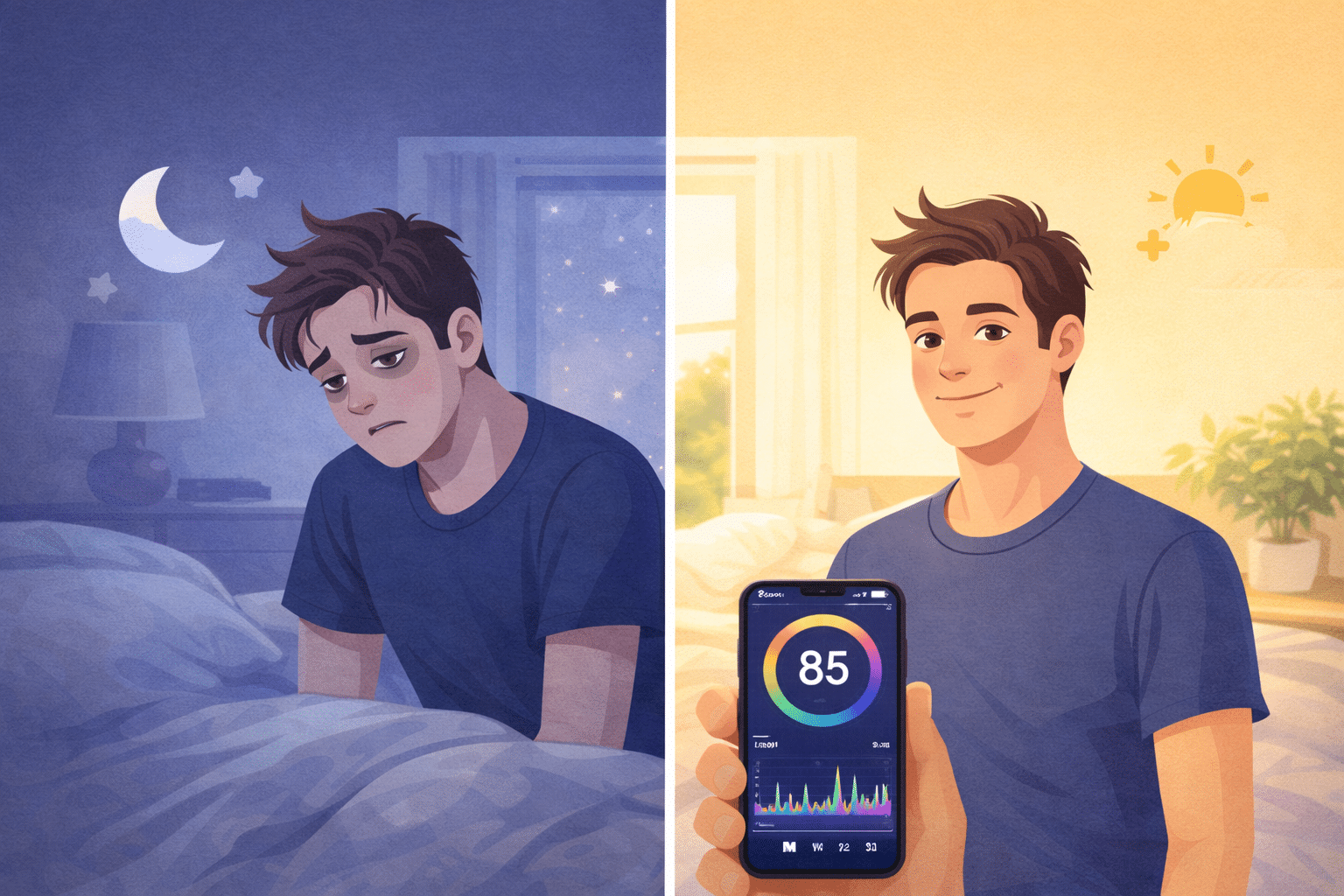
Waking up exhausted despite sleeping for hours? You’re not alone, and now there’s a way to understand exactly what’s happening during your night.


Sleep monitors have revolutionized how we approach rest and recovery. These innovative tools transform your smartphone or wearable device into a personal sleep laboratory, tracking everything from movement patterns to breathing rates throughout the night. The technology behind sleep monitoring has become remarkably accurate, offering insights that were once only available in expensive sleep clinics.
Anúncios
For millions struggling with poor sleep quality, these monitors provide answers to long-standing questions. Why do you toss and turn? What causes those 3 AM wake-ups? Understanding your sleep architecture is the first step toward transforming exhausting nights into truly restorative experiences. 😴
Understanding Why You’re Waking Up Tired
The mystery of waking up exhausted often has nothing to do with how many hours you spent in bed. Sleep quality trumps quantity every single time. Your body cycles through different sleep stages throughout the night, and interruptions to these natural rhythms leave you feeling drained, regardless of your total sleep time.
Anúncios
During a typical night, you progress through light sleep, deep sleep, and REM (Rapid Eye Movement) sleep multiple times. Each stage serves distinct biological purposes. Light sleep transitions you between wakefulness and deeper stages. Deep sleep handles physical restoration, tissue repair, and immune system strengthening. REM sleep processes emotions, consolidates memories, and supports cognitive function.
When these cycles are disrupted—whether by stress, environmental factors, sleep disorders, or poor sleep habits—you miss out on the restorative benefits your body desperately needs. This explains why someone who sleeps eight fragmented hours can feel worse than someone who gets six hours of uninterrupted, quality sleep.
Common Culprits Behind Poor Sleep Quality
Sleep disruptions come from various sources, many of which go unnoticed without proper tracking. Environmental factors like room temperature, light exposure, and noise levels significantly impact sleep architecture. Your bedroom might seem quiet, but subtle sounds can fragment your sleep without fully waking you.
Lifestyle choices play an enormous role too. Late-night screen time exposes you to blue light that suppresses melatonin production. Caffeine consumed even six hours before bedtime can interfere with deep sleep stages. Alcohol might help you fall asleep faster, but it dramatically reduces REM sleep quality and causes more nighttime awakenings.
Medical conditions like sleep apnea, restless leg syndrome, and chronic pain create repeated micro-awakenings throughout the night. Many people suffer from these conditions without realizing it, attributing their exhaustion to “just being a light sleeper” when the underlying cause requires medical attention.
How Sleep Monitors Actually Work 📊
Modern sleep monitoring technology employs multiple sensors and algorithms to paint a comprehensive picture of your night. Accelerometers detect movement patterns, distinguishing between restless tossing and the subtle chest movements associated with breathing. Advanced monitors incorporate heart rate sensors, measuring variations that correlate with different sleep stages.
The sophistication extends to audio monitoring in some applications. By analyzing breathing sounds, snoring patterns, and even sleep talking, these apps identify potential respiratory issues and sleep disturbances. Some devices use sonar technology, bouncing inaudible sound waves off your body to track movement without any physical contact or wearables required.
Machine learning algorithms process this data, comparing your patterns against vast databases of sleep research. The software identifies when you’re in light sleep versus deep sleep, tracks your REM cycles, and notes disruptions. Over time, these systems learn your individual patterns, making their analysis increasingly personalized and accurate.
What Your Sleep Data Actually Reveals
Sleep monitors provide actionable metrics that transform abstract feelings into concrete information. Your sleep efficiency percentage shows the ratio of time spent actually sleeping versus lying in bed awake. Healthy sleepers typically achieve 85% or higher efficiency rates.
Time in each sleep stage reveals whether you’re getting adequate deep and REM sleep. Adults generally need 13-23% of their total sleep time in deep sleep and 20-25% in REM sleep. Deficiencies in either category explain daytime fatigue, brain fog, and mood disturbances.
Tracking sleep latency—how long it takes you to fall asleep—identifies insomnia patterns. Consistently taking longer than 30 minutes to fall asleep suggests potential issues with sleep hygiene, stress management, or circadian rhythm alignment. Conversely, falling asleep in under five minutes might indicate sleep deprivation rather than good sleep health.

Transforming Data Into Better Sleep
Collecting sleep data means nothing without implementing meaningful changes. The real power of sleep monitoring lies in identifying patterns and testing interventions. Your sleep tracker becomes a personal experiment laboratory where you can measure the impact of different variables on your sleep quality.
Start by establishing your baseline. Track your sleep for at least two weeks without making any changes to your routine. This baseline data reveals your natural patterns and the consistency (or inconsistency) of your sleep schedule. Many people discover surprising patterns they never noticed before.
Once you understand your baseline, implement one change at a time. Adjust your bedtime by 30 minutes and track the results for a week. Experiment with room temperature, trying slightly cooler settings. Cut out caffeine after 2 PM and observe the difference. This systematic approach identifies which interventions actually improve your sleep rather than relying on generic advice that might not apply to you. ✨
Creating Your Optimal Sleep Environment
Your bedroom should function as a sleep sanctuary, and your monitor can help you optimize it. Temperature data often reveals that rooms are too warm—most people sleep best between 60-67°F (15-19°C). A bedroom that feels comfortable while you’re awake is often too warm for quality sleep.
Light exposure dramatically affects sleep quality. Even small amounts of light can suppress melatonin production and fragment sleep. Your sleep tracker can correlate disruptions with light exposure, motivating you to invest in blackout curtains or eliminate electronic device standby lights. Some monitors include light sensors that quantify your bedroom’s darkness.
Noise management matters more than most people realize. Consistent white noise often improves sleep quality by masking disruptive sounds. Your sleep data can show whether environmental noise correlates with awakenings, helping you decide whether sound machines, earplugs, or window treatments make sense for your situation.
Recognizing When You Need Professional Help
Sleep monitors excel at identifying patterns that warrant medical consultation. Consistent data showing frequent nighttime awakenings, abnormally low deep sleep percentages, or irregular breathing patterns provides valuable information for healthcare providers. This objective data often convinces skeptical doctors to order sleep studies or investigate potential sleep disorders.
Sleep apnea affects millions of people who don’t realize they have it. If your monitor consistently shows restless sleep, frequent awakenings, and you experience daytime fatigue despite adequate time in bed, apnea screening makes sense. Partners who report loud snoring or breathing pauses strengthen this indication.
Chronic insomnia lasting more than three months requires professional intervention. While sleep monitors help you understand your patterns, they don’t replace cognitive behavioral therapy for insomnia (CBT-I) or medical treatment when necessary. Your tracking data becomes invaluable during medical consultations, providing your doctor with detailed information about your sleep patterns over time.
Understanding Sleep Disorders Through Tracking
Different sleep disorders create distinctive patterns in your tracking data. Restless leg syndrome shows as repeated movements during early sleep stages, preventing deep sleep progression. Periodic limb movement disorder creates movement clusters throughout the night that you might not consciously remember.
Circadian rhythm disorders become obvious when tracking reveals consistent difficulty falling asleep at conventional times but quality sleep when you follow your body’s preferred schedule. This information helps diagnose delayed sleep phase syndrome or advanced sleep phase syndrome, conditions that benefit from light therapy and chronotherapy.
Sleep tracking also identifies sleep state misperception, where people perceive themselves as sleeping poorly despite objective data showing normal sleep architecture. This condition responds well to cognitive behavioral approaches rather than sleep medications, making accurate diagnosis crucial.
Maximizing Your Sleep Monitor’s Potential 🌙
Getting the most from your sleep monitor requires consistent use and honest tracking. Place your device correctly—whether that means positioning your phone on the nightstand at the recommended distance or wearing your tracker on the correct wrist with appropriate tightness. Inconsistent placement creates data inconsistencies that obscure meaningful patterns.
Use the journal features most apps provide. Noting daily variables like caffeine intake, exercise timing, stress levels, and evening screen time helps correlate behaviors with sleep quality. Over time, these correlations reveal your personal sleep disruptors and enhancers, information that’s far more valuable than generic sleep advice.
Review your weekly and monthly trends rather than obsessing over single nights. Everyone experiences occasional poor sleep, but patterns matter more than individual data points. Looking at trends helps you identify whether changes you’ve implemented are actually working or if you need to try different approaches.
Avoiding Sleep Tracking Pitfalls
Paradoxically, some people develop anxiety about their sleep data, a condition researchers call “orthosomnia.” If you find yourself worrying excessively about achieving perfect sleep scores, step back from daily tracking. Use your monitor periodically to check in rather than obsessively tracking every single night.
Remember that sleep trackers aren’t perfect. Consumer devices provide useful estimates but don’t match the accuracy of polysomnography performed in sleep laboratories. Treat your data as valuable information rather than absolute truth. If your tracker says you slept poorly but you feel great, trust your body over the device.
Don’t let tracking replace good sleep hygiene. No amount of data analysis compensates for staying up late scrolling social media, consuming caffeine before bed, or maintaining an irregular sleep schedule. Use tracking to motivate healthy behaviors, not as a substitute for them.
The Science Behind Sleep Stages
Understanding what happens during different sleep stages helps you appreciate why balanced sleep architecture matters so much. Stage 1 light sleep serves as the entry point, lasting only a few minutes. Your brain produces theta waves, and you can be easily awakened. People often experience sudden muscle contractions called hypnic jerks during this stage.
Stage 2 light sleep comprises about half of your total sleep time. Your heart rate slows, body temperature drops, and brain activity shows distinctive patterns called sleep spindles and K-complexes. These patterns play crucial roles in memory consolidation and learning, making stage 2 more important than its “light sleep” designation suggests.
Stage 3, deep sleep, represents your body’s restoration period. Growth hormone releases, tissue repair occurs, and your immune system strengthens. Delta waves dominate brain activity. Waking someone from deep sleep leaves them groggy and disoriented. Adequate deep sleep is essential for physical recovery and feeling refreshed upon waking. 💪
REM sleep involves intense brain activity similar to wakefulness, but your body remains paralyzed except for your eyes and breathing muscles. Dreaming occurs primarily during REM sleep. This stage processes emotional experiences, consolidates certain types of memories, and supports creativity and problem-solving abilities.
Building Sustainable Sleep Improvement Habits
Long-term sleep quality requires building sustainable habits rather than relying on quick fixes. Your sleep monitor helps you establish consistency, the single most important factor for healthy sleep. Going to bed and waking at the same times daily—even on weekends—synchronizes your circadian rhythm, making sleep easier and more restorative.
Create a wind-down routine your tracker can help you maintain. Starting your routine at the same time each night signals your body that sleep approaches. This might include dimming lights, gentle stretching, reading, or meditation. Track whether your wind-down routine correlates with faster sleep latency and better sleep quality.
Morning habits matter as much as evening ones. Exposing yourself to bright light soon after waking reinforces your circadian rhythm, making it easier to feel sleepy at appropriate times the following evening. Morning exercise often improves sleep quality, though your tracker can help you determine optimal workout timing for your individual physiology.
Measuring Progress Over Time
Sleep improvement rarely happens overnight. Monthly comparisons reveal whether your efforts are paying off. Look for trends in sleep efficiency, time to fall asleep, and percentages of deep and REM sleep. Small improvements compound over time into significant quality-of-life enhancements.
Celebrate wins your data reveals. If your average deep sleep percentage increases from 12% to 18% over three months, that’s a massive accomplishment worth acknowledging. If you’ve reduced your average sleep latency from 45 minutes to 15 minutes, you’ve solved a significant problem.
Use setbacks as learning opportunities rather than failures. If your sleep quality tanks during a stressful work period, your data might reveal the need for better stress management techniques or modified evening routines during high-pressure times. Every data point teaches you something valuable about your unique sleep needs.
Beyond Basic Tracking: Advanced Features Worth Exploring
Many sleep monitors offer features beyond basic tracking that can enhance your sleep journey. Smart alarm functions wake you during light sleep stages within a specified window, helping you feel more refreshed than waking from deep sleep. Users consistently report feeling more alert when using this feature properly.
Sleep sound recording capabilities help identify snoring, sleep talking, and potential breathing disruptions. These recordings provide concrete evidence when discussing potential sleep disorders with healthcare providers. Some people discover surprising nighttime behaviors they had no awareness of, from sleep talking conversations to concerning breathing pauses.
Integration with other health apps creates a comprehensive wellness picture. Correlating sleep data with fitness trackers, mood journals, and nutrition apps reveals connections between lifestyle factors and sleep quality. You might discover that certain foods, workout intensities, or activity patterns consistently affect your sleep in specific ways. 🔄
Your Journey to Better Sleep Starts Now
Taking control of your sleep quality represents one of the most impactful health decisions you can make. Poor sleep affects every aspect of your life—your mood, cognitive function, physical health, relationships, and overall quality of life. The good news? Sleep is largely within your control once you understand what’s actually happening during your nights.
Sleep monitors democratize access to information that was previously available only through expensive sleep studies. You gain personal insights tailored to your unique sleep patterns rather than following generic advice that might not apply to you. This personalized approach dramatically increases your chances of making meaningful improvements.
Start tonight. Download a sleep monitoring app, commit to tracking for at least two weeks, and approach the data with curiosity rather than judgment. You’re embarking on a fascinating journey of self-discovery that leads to more energetic mornings, productive days, and genuinely restorative nights.
Remember that perfect sleep doesn’t exist, and chasing it creates unnecessary stress. Your goal isn’t perfection but rather understanding your patterns and gradually improving them. Small, consistent improvements compound into transformative results over time. Your future well-rested self will thank you for taking this first step today. Sweet dreams! 🌟
