
Anúncios
Tired of answering unknown numbers only to hear robotic voices or aggressive salespeople? You’re not alone in this daily battle against spam calls.


The modern world has brought us incredible connectivity, but it’s also opened the floodgates to an endless stream of unwanted interruptions. Whether you’re in an important meeting, enjoying family time, or simply trying to relax, spam calls have become one of the most frustrating aspects of owning a smartphone.
Anúncios
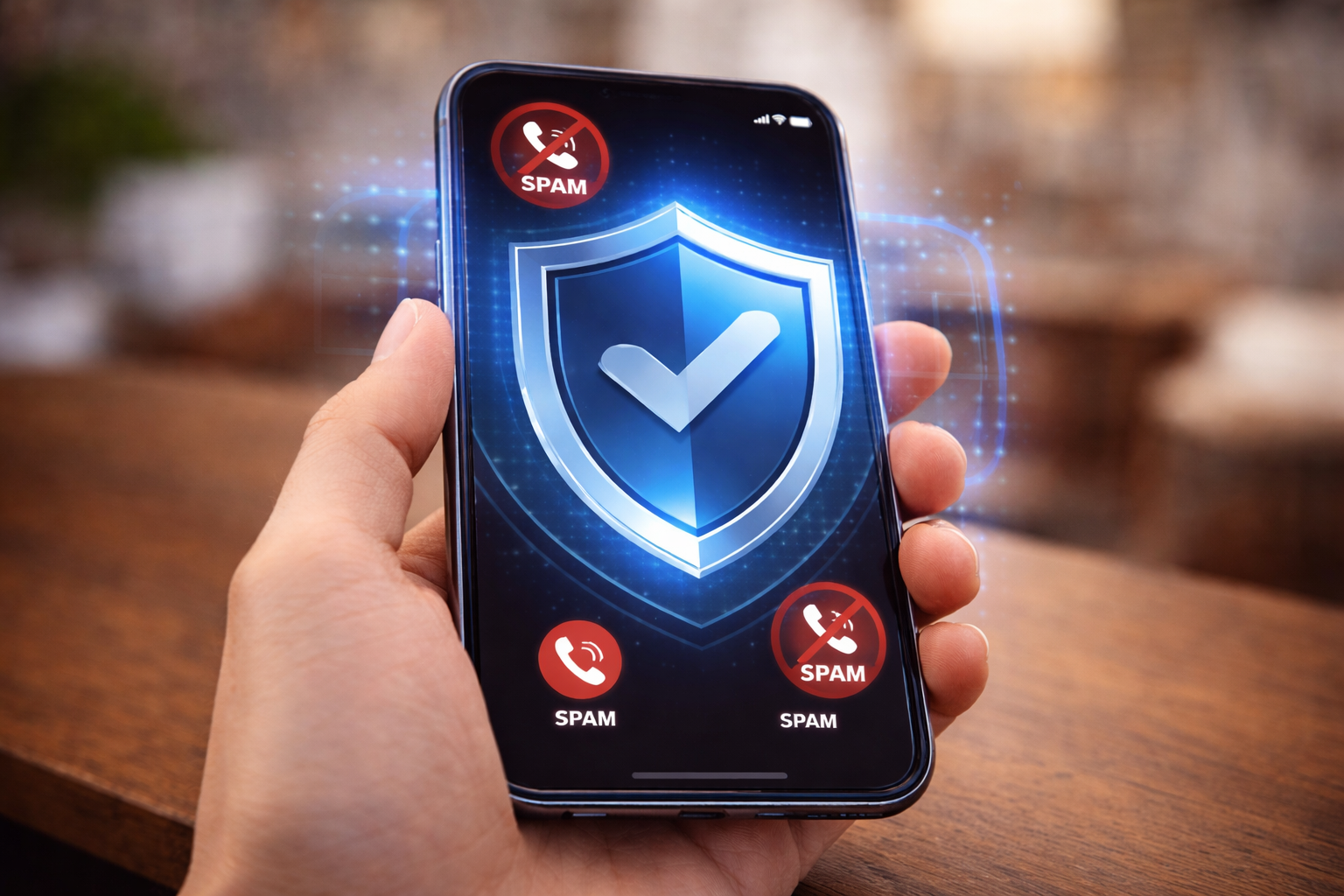
Fortunately, technology that creates problems can also solve them. Spam blockers have evolved dramatically, offering sophisticated protection that learns, adapts, and shields you from the constant barrage of robocalls, telemarketers, and potential scammers. Let’s explore how these digital guardians work and why they’ve become essential tools for anyone who values their peace and privacy.
📞 Understanding the Spam Call Epidemic
Spam calls aren’t just annoying—they’ve become a full-blown crisis. Studies show that billions of robocalls are placed every month worldwide, with numbers steadily increasing year after year. These calls range from aggressive marketing pitches to sophisticated scam attempts designed to steal personal information or money.
Anúncios
The problem intensifies because your phone number is constantly being bought, sold, and shared across databases you never authorized. Once your number enters these networks, it becomes a target for automated dialing systems that can place thousands of calls per hour. The result? Your phone rings constantly with offers you never requested and conversations you never wanted.
What makes this particularly frustrating is the unpredictability. You can’t simply ignore all unknown numbers because legitimate calls—from doctors, delivery drivers, or potential employers—also come from numbers not saved in your contacts. This creates a dilemma: answer every call and waste countless hours, or risk missing something important.
🛡️ How Spam Blockers Actually Work
Modern spam blocking technology operates on multiple sophisticated levels, creating a defensive shield around your phone. These systems don’t rely on guesswork—they use vast databases, artificial intelligence, and community reporting to identify threats before your phone even rings.
The first line of defense is database matching. When a call comes in, the spam blocker instantly checks the number against millions of known spam sources. If there’s a match, the call is either blocked automatically or flagged with a warning. These databases are constantly updated as new spam numbers emerge and old ones are retired.
Artificial intelligence takes this protection further by analyzing calling patterns. Machine learning algorithms can identify suspicious behavior like multiple calls from similar number sequences, calls originating from regions known for scam operations, or numbers that have been reported by thousands of users in a short time frame.
Community-powered reporting adds another crucial layer. When users mark calls as spam, this information feeds back into the system, protecting everyone in the network. This crowdsourced approach means the system becomes smarter and more effective with each reported call, creating a collective defense against unwanted intrusions.
✨ Key Features That Make a Difference
Not all spam blockers are created equal. The most effective solutions offer comprehensive feature sets that address various aspects of the spam call problem. Understanding these features helps you choose the right protection for your specific needs.
Real-time caller identification is perhaps the most valuable feature. Before you even decide whether to answer, you see who’s calling—whether it’s a known spammer, a business, or a potential scam. This instant information empowers you to make informed decisions about every incoming call.
Automatic blocking takes the burden off your shoulders entirely. Once enabled, calls from identified spam sources never reach you. Your phone doesn’t ring, you don’t get interrupted, and the spam caller gets no indication whether your number is active—discouraging future attempts.
Customizable block lists give you granular control. You can block specific area codes, number patterns, or individual callers. Some people choose to block all unknown numbers except those matching their local area code, while others prefer a more selective approach.
Reverse phone lookup functionality lets you investigate suspicious numbers after receiving a call or text. This feature provides detailed information about who owns the number, where it’s registered, and what other users have reported about it.

🔍 Identifying Different Types of Spam Calls
Understanding what you’re up against helps you appreciate why comprehensive blocking is necessary. Spam calls come in various forms, each with different objectives and levels of threat.
Robocalls are automated messages delivered by computers. These range from political campaigns to fake warranty offers. They’re incredibly cheap to execute, which is why they’re so prevalent. A single scammer can reach thousands of people daily with minimal effort.
Telemarketing calls involve actual human salespeople, though they’re often working from scripts and calling without your consent. While some telemarketing is legitimate, the aggressive tactics and poor timing make these calls universally dreaded.
Phishing attempts are the most dangerous category. Scammers impersonate banks, government agencies, or tech support, trying to extract personal information, passwords, or direct access to your accounts. These calls can be devastatingly effective against unprepared victims.
Spoofed numbers add another layer of complexity. Callers manipulate caller ID to display fake numbers—often matching your area code or even mimicking legitimate business numbers. This technique, called neighbor spoofing, tricks people into answering calls they’d otherwise ignore.
💡 Setting Up Your Spam Defense System
Installing a spam blocker is straightforward, but optimizing it requires some initial setup. Taking time to configure your settings properly ensures maximum protection without blocking legitimate calls you actually want to receive.
Start by downloading a reputable spam blocking application from your device’s official app store. Avoid third-party sources, as security is paramount when granting an app access to your call data. Once installed, you’ll typically need to grant several permissions—these are necessary for the app to intercept and identify incoming calls.
Next, decide your blocking aggressiveness level. Conservative settings flag suspicious calls but let them through with warnings. Moderate settings block known spammers but allow unknowns to ring. Aggressive settings block everything except contacts and verified numbers. Your ideal setting depends on your personal situation—job seekers might prefer conservative, while others might embrace aggressive blocking.
Take advantage of the customization options. Add important numbers to your whitelist—these will always ring through regardless of other settings. Similarly, you can create blacklists for specific numbers that persistently bother you. Some apps even let you set quiet hours when all non-contact calls are automatically blocked.
Enable community features if available. Allowing the app to anonymously share spam reports helps everyone while improving your own protection. This collective intelligence is what makes modern spam blockers so effective compared to older solutions.
🌟 The Psychology Behind Spam Call Success
Understanding why spam calls work on some people helps explain why blocking is better than trying to outsmart callers. Scammers exploit fundamental aspects of human psychology, making even cautious people vulnerable during moments of distraction or stress.
The authority principle plays a major role. When someone claiming to be from the IRS, your bank, or a law enforcement agency calls with an urgent problem, our instinct is to comply. Scammers deliberately create panic, knowing that stressed people make poor decisions and are more likely to share information or send money.
Curiosity is another exploited trait. Humans naturally want to know who’s calling and why. This impulse makes us answer unknown numbers even when we suspect they might be spam. Each answered call trains the system that your number is active, leading to more calls.
The compliance trap works through small commitments. Scammers might start with innocent-seeming questions (“Can you hear me okay?”), recording your affirmative responses. These recordings can then be edited to authorize charges or changes to accounts. The best defense is never engaging at all—exactly what spam blockers provide.
📊 Measuring the Real Cost of Spam Calls
Spam calls aren’t just annoying—they carry real costs that affect both individuals and businesses. Quantifying these impacts helps justify investing time and resources into proper blocking solutions.
The most obvious cost is lost time. If you receive ten spam calls daily and spend even one minute on each—checking the number, deciding whether to answer, dismissing the call—that’s over an hour per week wasted. For businesses, multiply this by every employee, and the productivity drain becomes substantial.
There’s also the interruption cost. Studies show that returning to a focused task after an interruption takes an average of 23 minutes. A single spam call during deep work can derail your concentration for half an hour, affecting quality and creativity beyond just the moment of distraction.
Financial losses from successful scams run into billions annually. While most people believe they’d never fall for a phone scam, the statistics tell a different story. Sophisticated operations catch victims during vulnerable moments, extracting everything from small credit card charges to life savings.
The stress factor shouldn’t be underestimated either. Constant interruptions create background anxiety. Your phone becomes a source of stress rather than a useful tool. This psychological burden affects well-being in ways that are difficult to measure but very real to experience.
🚀 Advanced Blocking Strategies for Maximum Protection
Beyond basic spam blocking, power users can implement additional strategies that create virtually impenetrable defenses against unwanted calls while ensuring important communications always reach you.
Consider using multiple blocking layers. Your phone’s native blocking features, your carrier’s spam protection services, and a third-party app each catch different threats. While there’s overlap, each system has unique strengths, and together they provide comprehensive coverage.
Create a VIP system for truly important contacts. Designate specific ringtones or vibration patterns for family, close friends, and critical business contacts. Set everyone else to silent or a subtle notification. This way, you instantly know whether an incoming call requires immediate attention without checking your phone.
Implement challenge-response systems available in some advanced apps. Unknown callers hear an automated message asking them to press a number or state their purpose before your phone rings. Legitimate callers comply; robocalls and lazy spammers hang up. This effectively screens calls without blocking potentially important unknowns.
Regularly audit your blocked call list to ensure the system works properly. Most apps provide detailed logs showing what was blocked and why. Reviewing these periodically ensures no legitimate calls are being caught incorrectly and helps you understand the volume of spam being filtered on your behalf.
🔐 Privacy Considerations When Using Spam Blockers
While spam blockers protect you from unwanted intrusions, they require access to sensitive data to function. Understanding the privacy implications helps you choose services that protect you without creating new vulnerabilities.
Reputable spam blocking services need to see your incoming call data to identify and block threats. However, the best services process this information with strict privacy protections. Look for apps with clear privacy policies stating they don’t sell your data, don’t record call contents, and minimize data retention.
End-to-end encryption for any transmitted data is essential. If the app syncs information to cloud servers for analysis, that transmission should be encrypted so that even if intercepted, the data remains unreadable. Similarly, any stored data should be encrypted at rest on both your device and any company servers.
Be cautious about apps requesting excessive permissions. A spam blocker needs call-related permissions but shouldn’t require access to your photos, messages, or location unless there’s a clear functional reason. Over-broad permission requests may indicate an app designed to harvest data rather than protect you.
Consider the business model behind free spam blockers. Apps need revenue somehow—either through subscriptions, one-time purchases, or data monetization. Free apps that claim to monetize solely through ads should be scrutinized carefully, as the real revenue might come from selling anonymized user data to third parties.
🌐 The Future of Spam Call Prevention
Technology continues evolving on both sides of the spam call battle. Understanding emerging trends helps you stay ahead of increasingly sophisticated threats while taking advantage of new protective measures.
Artificial intelligence will play an increasingly central role. Future systems will analyze voice patterns in real-time, detecting stress indicators that suggest scam scripts, or identifying voice spoofing attempts. These AI assistants might even answer calls on your behalf, handling legitimate inquiries while blocking threats without your involvement.
Blockchain-based caller verification systems are in development. These would create unforgeable caller credentials, making spoofing impossible. When fully implemented, you’d know with certainty who’s calling before answering, eliminating the guessing game that makes spam effective.
Regulatory pressure is mounting globally. Governments increasingly recognize spam calls as a serious problem requiring legislative solutions. New regulations mandate stronger carrier-level blocking, impose penalties on illegal callers, and require better authentication systems that prevent number spoofing.
Integration with other security systems will become standard. Your spam blocker might communicate with your email security, your smart home system, and your identity protection services, creating a comprehensive shield against all forms of unwanted digital intrusion, not just phone calls.
💪 Taking Back Control of Your Phone
Your phone should serve you, not stress you. Every unwanted ring represents someone trying to steal your time, attention, or money. Spam blockers shift the power dynamic back in your favor, restoring your phone to its proper role as a tool that enhances your life rather than disrupting it.
The relief that comes from silencing spam calls is profound. People who implement comprehensive blocking report lower stress levels, improved focus, and a renewed appreciation for their devices. Your phone becomes friendly again—a source of connection rather than constant interruption.
Beyond personal benefit, using spam blockers contributes to a broader ecosystem defense. When fewer people answer spam calls, the economic model behind them weakens. Scammers move on to easier targets. Your individual action, multiplied across millions of users, genuinely reduces the overall volume of spam calls being placed.
Don’t accept spam calls as an unavoidable aspect of modern life. The tools exist to reclaim your peace and privacy. Installing a quality spam blocker takes minutes but delivers benefits every single day. You deserve to use your phone on your terms, answering only the calls you want to receive and ignoring the rest without guilt or second-guessing.
Take action today. Download a trusted spam blocking app, configure it according to your preferences, and experience the immediate difference. Your future self—the one who isn’t interrupted during dinner, doesn’t lose productive hours to robocalls, and never falls victim to a phone scam—will thank you for making this simple but powerful decision.
