
Anúncios
The accordion is more than just a musical instrument—it’s a bridge between generations, a symbol of celebration, and a timeless source of joy that continues to enchant people worldwide.


Whether you’ve been mesmerized by the soulful melodies at family gatherings or captivated by accordion performances in folk festivals, there’s something magical about this instrument. Its distinctive sound evokes nostalgia, ignites passion, and brings people together in ways few instruments can match.
Anúncios
Learning to play the accordion opens doors to diverse musical traditions—from European folk music to Latin American rhythms, from classical compositions to modern pop arrangements. The journey of mastering this fascinating instrument is rewarding, accessible, and filled with creative possibilities that can transform your musical life forever.
🎵 Why the Accordion Captures Hearts Across Generations
The accordion holds a unique place in musical history. Unlike many instruments that remain confined to specific genres, the accordion has proven its versatility across countless musical styles and cultural contexts.
Anúncios
From the lively polkas of Central Europe to the passionate tangos of Argentina, from the traditional forró of Brazil to the accordion-driven chanson française, this instrument has left its mark on virtually every continent. Its portability meant musicians could bring complete harmonic arrangements anywhere—to village squares, mountainside celebrations, or intimate family gatherings.
This accessibility transformed the accordion into the people’s instrument. You didn’t need an orchestra or even electricity to create full, rich music that could move listeners to dance, laugh, or cry. Generation after generation discovered that the accordion offered something special: the ability to be both melody and accompaniment, both lead and rhythm, all in one remarkable package.
🎹 Understanding the Accordion: Types and Characteristics
Before beginning your accordion journey, it helps to understand the different types available and what makes each unique.
Piano Accordion
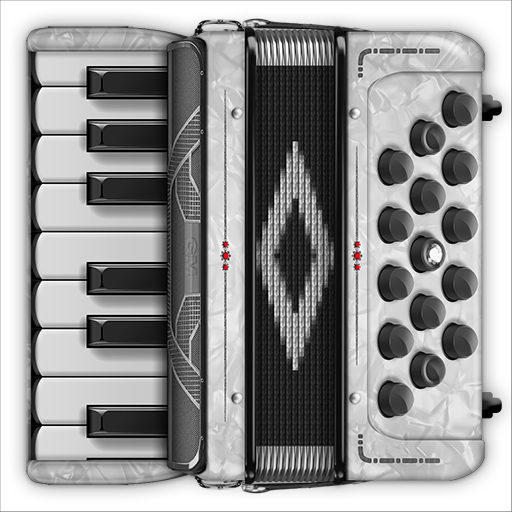
The piano accordion features a keyboard similar to a piano on the right side, making it intuitive for anyone with piano experience. The left side contains bass buttons that provide accompaniment. This is the most popular type worldwide and offers excellent versatility for various musical genres.
Button Accordion (Chromatic)
Instead of piano keys, this accordion uses buttons on both sides. The chromatic button accordion offers a more compact design and can access more notes within a smaller physical space. Many professional accordionists prefer this type for its technical advantages.
Diatonic Accordion
Common in folk traditions, the diatonic accordion produces different notes depending on whether the bellows are being pushed or pulled. This type is prevalent in regional music styles like Tex-Mex conjunto, Irish folk music, and various European traditions.
Concertina
Though technically a cousin of the accordion, the concertina deserves mention. It’s smaller, held differently, and produces sound through similar reed mechanisms. English, Anglo, and duet concertinas each have distinct characteristics.
✨ The Unique Appeal of Learning Accordion Today
In an era dominated by digital instruments and electronic music production, why should someone invest time in learning the accordion? The reasons are more compelling than ever.
The accordion requires no amplification, no power source, and no external equipment. You can take it to the park, the beach, or a friend’s house and create immediate musical magic. This independence is liberating in our technology-dependent world.
Moreover, accordion players remain in demand. Folk bands, wedding ensembles, cultural festivals, and even modern indie groups actively seek accordionists. The instrument’s distinctive voice adds character and depth that synthesizers simply cannot replicate authentically.
Learning accordion also exercises both sides of your brain simultaneously. Your right hand creates melodies while your left manages bass notes and chords—all while coordinating bellows movement for dynamics and expression. This mental workout enhances cognitive function, improves coordination, and strengthens multitasking abilities.
🚀 Getting Started: Your First Steps with the Accordion
Beginning any musical instrument can feel overwhelming, but the accordion rewards patient, systematic practice with surprising progress.
Choosing Your First Accordion
Don’t rush into purchasing an expensive professional instrument. Many beginners start with entry-level models or even digital accordion apps that simulate the experience. These applications allow you to understand basic mechanics, finger positioning, and bellows coordination before investing in a physical instrument.
When you’re ready for a physical accordion, consider renting or purchasing a used student model. Look for instruments with 48 or 72 bass buttons for piano accordions—these provide sufficient range without overwhelming complexity.
Proper Posture and Positioning
Correct posture prevents fatigue and injury while enabling better control. Sit upright with both feet flat on the floor. The accordion should rest comfortably on your left thigh, secured by shoulder straps adjusted to distribute weight evenly.
Your right hand should curve naturally over the keyboard or buttons, with fingers relaxed and ready. The left hand operates the bass buttons while supporting the instrument’s weight during bellows movement.
Understanding the Bellows
The bellows are the accordion’s lungs—they create the airflow that vibrates the reeds to produce sound. Mastering bellows control is essential for expressive playing.
Start with simple exercises: open and close the bellows smoothly while pressing a single note. Notice how the volume changes with bellows pressure and speed. Practice maintaining consistent tone by controlling bellows movement deliberately.
🎼 Building Your Musical Foundation
Like any instrument, accordion proficiency builds on fundamental skills practiced consistently over time.
Right Hand Technique
Begin with simple melodies using just a few notes. Children’s songs, folk tunes, and basic scales work excellently. Focus on clean note transitions, proper finger placement, and maintaining steady rhythm.
Practice scales daily—major, minor, and chromatic. These exercises develop muscle memory, improve finger independence, and familiarize you with the keyboard layout.
Left Hand Bass System
The left-hand bass buttons follow a standardized pattern called the Stradella bass system on most accordions. Understanding this pattern unlocks accompaniment capabilities.
The buttons are arranged in rows: counter-bass, bass notes, major chords, minor chords, dominant seventh chords, and diminished chords. Learning this geography takes time but becomes intuitive with practice.
Start by locating the C bass note (usually marked with a tactile indicator) and practice finding other bass notes by feel. Then add simple major chords, coordinating bass notes with chord buttons to create basic accompaniment patterns.
Coordinating Both Hands
The real magic happens when both hands work together. Begin with extremely simple pieces where the left hand plays whole notes while the right hand carries the melody.
Gradually increase complexity by adding bass-chord patterns in the left hand (like the waltz pattern: bass-chord-chord) while maintaining melody in the right hand.
📚 Learning Resources for Accordion Students
Modern accordion learners have unprecedented access to educational materials across multiple formats.
Traditional Method Books
Proven accordion method books provide structured progression from beginner to advanced levels. Popular choices include the Palmer-Hughes Accordion Course, Anzaghi Accordion Method, and various regional instructional series.
These books systematically introduce techniques, musical concepts, and repertoire while building skills incrementally.
Online Video Tutorials
YouTube channels dedicated to accordion instruction offer visual demonstrations that complement written materials. Watching experienced players demonstrates proper technique, finger positioning, and musical interpretation.
Many professional accordionists now offer online courses with structured curricula, downloadable materials, and sometimes personal feedback.
Mobile Applications
Accordion simulation apps serve multiple purposes. They provide practice opportunities when your physical instrument isn’t available, help beginners understand keyboard layout and bass systems, and offer risk-free experimentation with different musical ideas.
While apps cannot replace the tactile experience and bellows control of a real accordion, they complement traditional practice effectively.
Finding a Teacher
Nothing replaces personalized instruction from an experienced accordion teacher. A good instructor identifies technical issues immediately, provides customized exercises for your specific challenges, and keeps you motivated through plateaus.
If local teachers aren’t available, consider online lessons via video conferencing. Many accomplished accordionists now offer remote instruction worldwide.
🌍 Exploring Musical Styles on Accordion
One of the accordion’s greatest strengths is its adaptability across musical genres. Exploring different styles keeps practice engaging and develops versatility.
European Folk Traditions
Polkas, waltzes, mazurkas, and schottisches form the backbone of European accordion repertoire. These dance forms teach rhythmic precision, characteristic articulations, and stylistic interpretation.
Latin American Music
From Colombian vallenato to Argentine tango, from Mexican norteño to Brazilian forró, the accordion drives countless Latin American musical traditions. These styles often feature syncopated rhythms, passionate expression, and virtuosic techniques.
French Musette
The romantic accordion sound associated with Parisian cafés features distinctive tremolo tuning and expressive phrasing. Learning musette waltzes and java develops nuanced bellows control and emotional interpretation.
Contemporary and Pop Music
Modern bands increasingly incorporate accordion for its unique timbre. Artists from indie folk to alternative rock use accordion to add texture and character. Arranging contemporary songs for accordion develops creativity and keeps your repertoire relevant.
💪 Overcoming Common Challenges
Every accordionist encounters obstacles during their learning journey. Recognizing these challenges helps you address them effectively.
Physical Stamina
The accordion’s weight and the physical demands of bellows operation can cause fatigue initially. Build endurance gradually through consistent practice sessions of moderate length rather than occasional marathon practices.
Shoulder and back stretches before and after playing help prevent soreness. Ensure your straps distribute weight properly and consider a back support strap for larger instruments.
Left Hand Independence
Coordinating the left hand independently from the right challenges many beginners. Practice each hand separately until movements become automatic, then combine them at reduced tempo.
Use a metronome to maintain steady rhythm while focusing on clean hand coordination. Gradually increase speed only when accuracy is consistent.
Reading Bass Notation
The bass clef and chord symbols can confuse beginners. Invest time in understanding bass notation thoroughly—this foundational knowledge pays dividends as pieces become more complex.
Bellows Control
Smooth, expressive bellows technique separates proficient players from exceptional ones. Practice dynamic exercises: crescendos, decrescendos, sudden accents, and sustained tones all at various bellows speeds and pressures.
Listen critically to professional recordings, noting how masters use bellows for musical expression beyond mere sound production.
🎯 Setting Realistic Goals and Tracking Progress
Structured goal-setting transforms vague aspirations into achievable milestones.
Set short-term goals like learning a specific song, mastering a particular scale, or playing for a certain duration without errors. Celebrate these achievements—they build confidence and momentum.
Medium-term goals might include performing for friends or family, joining a folk music group, or completing a method book level. These objectives provide direction and purpose to daily practice.
Long-term aspirations could involve public performance, recording your playing, teaching others, or simply maintaining lifelong musical enjoyment. Keep these dreams visible and let them inspire consistent effort.
Recording yourself periodically creates objective progress documentation. Listening to recordings from months ago reveals improvements you might not notice day-to-day.
🎊 The Joy of Sharing Your Music
Music becomes most meaningful when shared with others. The accordion’s social nature makes sharing especially rewarding.
Start by playing for supportive friends and family. Their encouragement builds confidence for more public performances. Local open mic nights, community festivals, and cultural events often welcome accordion players.
Consider joining or forming a folk ensemble. Playing with other musicians develops listening skills, ensemble awareness, and musical communication beyond solo practice.
Many cities have accordion clubs where enthusiasts gather to play, share techniques, and attend workshops. These communities provide valuable support, inspiration, and friendship.
🌟 Maintaining Motivation on Your Musical Journey
Every musician experiences motivation fluctuations. Strategies for maintaining enthusiasm include varying your practice routine, exploring new musical styles, attending concerts for inspiration, and remembering why you started learning.
When progress seems stalled, revisit easier pieces you’ve already learned. Playing familiar music fluently reminds you how far you’ve come and rebuilds confidence.
Set aside time for free improvisation without judgment or structure. This creative play reconnects you with the pure joy of making music.
Connect with the broader accordion community online. Social media groups, forums, and video platforms host vibrant communities where players worldwide share performances, advice, and encouragement.

🎁 The Lasting Rewards of Accordion Mastery
Learning accordion offers benefits extending far beyond musical skill. The discipline of regular practice builds patience and perseverance applicable to all life areas.
The cognitive demands of coordinating multiple tasks simultaneously enhance mental agility and problem-solving abilities. Research suggests musical training supports brain health throughout life, potentially reducing cognitive decline risks.
Perhaps most importantly, the accordion connects you to cultural heritage and human creativity spanning centuries and continents. Every time you play a traditional melody, you participate in living history, keeping musical traditions alive for future generations.
The friendships formed through music, the joy of performance, the satisfaction of mastering challenging pieces, and the simple pleasure of creating beauty—these rewards enrich life immeasurably.
Whether you dream of performing professionally or simply want to play your favorite songs for personal enjoyment, the accordion welcomes you. This remarkable instrument has brought happiness to countless people across generations, and now it’s your turn to experience its magic.
Start your accordion journey today. Embrace the challenges, celebrate the progress, and discover why this extraordinary instrument continues capturing hearts worldwide. The melodies waiting within you are ready to be discovered, one note at a time. 🎶
