Anúncios
Learning to read and write is a transformative journey that opens doors to new worlds, opportunities, and self-discovery—and it’s never too late to start.


Literacy is often viewed as a childhood milestone, something achieved in early education. But the reality is far more expansive and beautiful. Adults from all walks of life are discovering the power of literacy later in their journeys, proving that age is merely a number when it comes to personal growth and education.
Anúncios
Whether you’re five or seventy-five, the ability to decode written language transforms how you navigate the world. It affects employment opportunities, healthcare decisions, social connections, and personal confidence. This article explores why literacy matters at every age and how anyone can embark on this empowering path, regardless of where they’re starting from.
📚 Why Literacy Remains Essential in Modern Life
In our increasingly digital world, reading and writing skills have become more critical than ever before. From filling out online forms to understanding medication instructions, literacy impacts nearly every aspect of daily living.
Anúncios
Consider the simple act of grocery shopping. Reading labels helps you make informed nutritional choices, identify allergens, and compare prices. Without these skills, everyday tasks become significantly more challenging and stressful.
Beyond practical applications, literacy connects us to culture, history, and human experience. Books, articles, and written stories allow us to travel through time, understand different perspectives, and participate fully in civic life. Voting, understanding contracts, and advocating for yourself all require fundamental reading comprehension.
The emotional impact cannot be overstated either. Many adults who struggle with literacy report feelings of shame, isolation, and limitation. Learning to read and write often brings profound relief, restored dignity, and newfound independence that ripples through every area of life.
🌟 Breaking the Myth: You’re Never Too Old to Learn
One of the most persistent barriers to adult literacy is the misconception that learning to read and write is only possible during childhood. Neuroscience research has thoroughly debunked this myth, showing that adult brains remain remarkably plastic and capable of forming new neural pathways throughout life.
Adults actually bring significant advantages to the learning process. Life experience provides context that makes comprehension easier. Motivation tends to be stronger because adults clearly understand what they’ll gain from literacy. They also have developed problem-solving skills and discipline that children haven’t yet acquired.
Successful adult learners span all age groups. There are inspiring stories of individuals learning to read in their sixties, seventies, and even eighties. What these learners share isn’t exceptional intelligence or special circumstances—it’s simply the willingness to begin and the persistence to continue.
The journey might look different than childhood education, but it’s absolutely achievable. Adult literacy programs recognize these differences and design approaches specifically suited to mature learners, respecting their time constraints, learning preferences, and personal goals.
✨ Understanding Different Starting Points in Literacy
Not everyone begins from the same place. Some adults can recognize a few letters or words but struggle with full sentences. Others might have learned to read in another language and need to transfer those skills. Still others are starting from absolute zero, never having had the opportunity to attend school.
Each starting point requires a slightly different approach, but all are valid and workable. Assessment isn’t about judgment—it’s about creating an effective, personalized learning plan that meets you where you are.
Some learners have underlying challenges like dyslexia or vision problems that went undiagnosed in childhood. Identifying these issues as an adult can be liberating, as modern interventions and assistive technologies make learning much more accessible than it once was.
The key is honesty with yourself and your instructor about your current skills and past experiences. This transparency allows for proper support, appropriate materials, and realistic goal-setting that leads to genuine progress rather than frustration.
🎯 Practical First Steps Toward Literacy
Beginning the literacy journey can feel overwhelming, but breaking it down into manageable steps makes it achievable. The first step is often the hardest: admitting you want to learn and seeking help.
Local libraries frequently offer free adult literacy programs with trained volunteers who understand the sensitivity and courage required to seek assistance. Community colleges often have adult basic education courses designed specifically for mature learners returning to education.
Online resources have expanded dramatically in recent years, offering privacy and flexibility for those who prefer learning at home. Apps designed for literacy education can supplement in-person instruction or serve as standalone tools for motivated self-learners.
Starting with the alphabet and basic phonics might seem elementary, but these foundations are essential. Understanding how letters correspond to sounds unlocks the ability to decode unfamiliar words independently—a critical skill for continued growth.

💪 Building Confidence Through Small Victories
Confidence grows with each small success. Reading your first complete sentence, writing your name without assistance, or understanding a simple sign—these moments matter tremendously and deserve celebration.
Many adult learners report that early victories create momentum. The brain’s reward system responds positively to progress, releasing dopamine that reinforces the learning behavior and makes continued effort feel more enjoyable.
Setting incremental goals helps maintain motivation. Rather than focusing on “becoming fully literate” as a distant, abstract objective, focus on concrete, achievable targets: reading a children’s book, writing a grocery list, understanding a news headline.
Tracking progress visually can be powerful. Some learners keep journals documenting new words learned, sentences read, or pages completed. Looking back at where you started provides tangible evidence of growth during moments of frustration or doubt.
👥 The Power of Supportive Learning Environments
Learning to read and write as an adult requires vulnerability, which makes the learning environment critically important. Supportive, non-judgmental spaces allow learners to take risks, make mistakes, and ask questions without fear of ridicule.
Group classes can provide community and reduce isolation. Discovering that others share similar struggles normalizes the experience and creates opportunities for peer support and encouragement.
One-on-one tutoring offers personalized attention and pacing suited to individual needs. Some learners thrive with this focused approach, especially those dealing with learning differences or significant anxiety about their abilities.
Family support makes a substantial difference in persistence and success. When loved ones understand the commitment required and offer encouragement rather than criticism, learners tend to progress more steadily and maintain motivation during challenging periods.
🧠 How Adult Brains Learn Differently (and Why That’s Good)
Adult learning leverages existing knowledge networks in ways children cannot. When an adult encounters the word “hospital,” they bring real-life experience with medical facilities that enriches comprehension far beyond simple word recognition.
Adults also benefit from metacognition—the ability to think about their own thinking. This awareness allows mature learners to identify which strategies work best for them, adjust approaches when something isn’t effective, and actively participate in designing their learning process.
The ability to see immediate practical application motivates adults differently than children. When you learn to read medication labels and can now understand dosage instructions independently, the real-world benefit reinforces the value of effort invested.
Adult learners often demonstrate superior focus and discipline. While children might be easily distracted, adults who have chosen to pursue literacy typically bring serious commitment and structured practice habits that accelerate progress.
📱 Technology as a Literacy Learning Tool
Modern technology has revolutionized access to literacy education. Smartphones and tablets put powerful learning tools in your pocket, allowing practice anytime, anywhere, without the need to carry physical books or workbooks.
Literacy apps use gamification principles that make learning engaging and rewarding. Points, levels, and visual progress indicators tap into the same psychological principles that make games addictive—but channeled toward productive skill development.
Text-to-speech features allow learners to hear correct pronunciation while seeing words on screen, strengthening the connection between visual symbols and sounds. This multisensory approach often accelerates comprehension and retention.
Adjustable difficulty levels mean technology adapts to your current skill level, providing appropriate challenges without overwhelming frustration. As you improve, the content automatically advances, maintaining that sweet spot of productive struggle.
🌍 Literacy Opens Doors You Didn’t Know Were Closed
Employment opportunities expand dramatically with literacy. Many jobs that seem accessible actually require reading safety instructions, completing paperwork, or communicating via email—tasks that become possible once you develop these skills.
Health outcomes improve measurably. Research consistently shows that health literacy—the ability to read and understand medical information—directly correlates with better health decisions, medication adherence, and overall wellness.
Civic participation becomes meaningful. Reading ballot measures, understanding candidate positions, and following news coverage allows you to engage as an informed citizen rather than relying entirely on others’ interpretations and opinions.
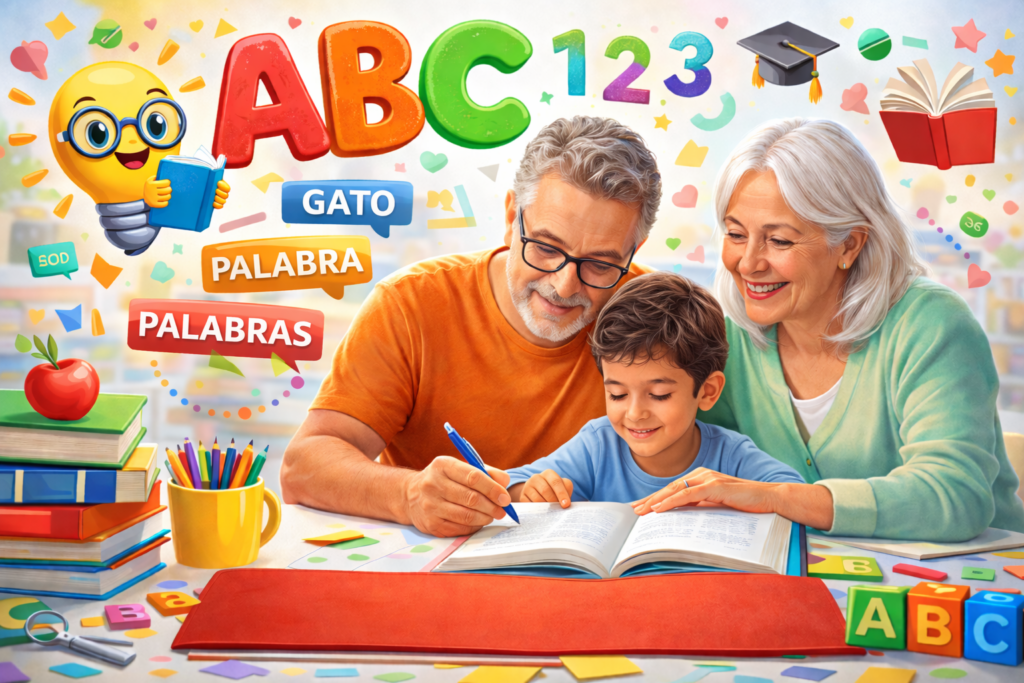
Personal relationships often deepen. Being able to read bedtime stories to grandchildren, exchange text messages with family, or write heartfelt cards creates connections that illiteracy makes difficult or impossible.
🎓 Different Approaches to Adult Literacy Education
Traditional classroom settings work well for learners who thrive on structure, scheduled commitments, and social interaction. These programs typically meet weekly and progress through systematic curricula designed for adult learners.
Home-based learning suits those with transportation challenges, irregular schedules, or preference for privacy. Tutors can visit homes, or learners can work independently with periodic check-ins and guidance from instructors.
Workplace literacy programs address job-specific reading and writing needs while simultaneously building general literacy skills. These programs recognize that employment-related motivation can be powerful and context makes learning more relevant.
Family literacy programs teach parents and children together, creating literate households where everyone supports each other’s growth. This approach breaks intergenerational cycles of limited literacy while strengthening family bonds.
💖 Overcoming Shame and Embracing the Journey
Perhaps the biggest barrier to adult literacy isn’t cognitive—it’s emotional. Shame about not being able to read creates powerful resistance to seeking help, as individuals fear judgment and exposure.
Understanding that limited literacy often results from circumstances beyond your control helps counter this shame. Poverty, family disruption, learning disabilities, immigration, illness, or educational system failures—these factors, not personal deficiency, typically explain why adults missed literacy development.
Reframing the narrative from “I’m too old/stupid/damaged to learn” to “I’m brave/determined/capable enough to begin” transforms the psychological landscape. This shift from shame to empowerment sustains motivation through inevitable challenges.
Seeking literacy education is an act of courage and self-respect. It demonstrates commitment to personal growth, willingness to be vulnerable, and belief in your own potential—qualities that deserve admiration, not judgment.
🏆 Real Stories of Adult Literacy Success
Consider the grandmother who learned to read at sixty-three so she could enjoy books with her grandchildren. She described the experience as receiving “a gift I never thought I’d open,” transforming not just her relationship with her family but her sense of herself.
Or the factory worker who, after twenty years of hiding his illiteracy and declining promotions, finally learned to read and was able to advance into management. He credits literacy with changing not just his career trajectory but his entire self-concept.
A refugee who arrived in a new country without speaking the language learned to read and write in her adopted tongue, eventually completing a university degree and becoming an advocate for adult education. Her journey shows how literacy transcends simple skill acquisition to enable complete life transformation.
These stories aren’t exceptional rarities—they’re representative of countless individuals who decided it was finally time to learn. What they share is the willingness to start, the persistence to continue, and the courage to believe change was possible.
🔑 Key Strategies for Sustained Progress
Consistency matters more than intensity. Fifteen minutes of daily practice typically produces better results than sporadic marathon sessions. Regular exposure helps transfer skills from short-term to long-term memory.
Connecting literacy practice to existing interests makes learning more engaging. If you love cooking, practice reading recipes. If sports interest you, try reading game summaries. Personal relevance increases motivation and retention.
Celebrating small wins maintains momentum. Each new word read, sentence written, or concept grasped deserves acknowledgment. Progress isn’t always linear, but recognizing advances helps sustain effort through plateaus.
Being patient with yourself is essential. Learning literacy as an adult takes time, and comparing your progress to others’ or to imagined timelines creates unnecessary discouragement. Focus on your personal journey and individual growth.
🌈 The Ripple Effects of Adult Literacy
When adults develop literacy skills, benefits extend far beyond the individual. Children in literate households perform better academically, creating positive intergenerational effects that can break cycles of poverty and limited education.
Communities with higher literacy rates demonstrate stronger economic vitality, civic engagement, and social cohesion. Individual literacy improvement contributes to collective wellbeing in measurable ways.
Workplaces benefit from improved safety, productivity, and communication when employees strengthen literacy skills. Reduced errors, better compliance with procedures, and enhanced teamwork all correlate with workforce literacy levels.
Perhaps most importantly, individuals who achieve literacy often become advocates and mentors for others facing similar challenges. The journey creates empathy, understanding, and commitment to helping others access the same transformative opportunities.
🚀 Taking Your First Step Today
If you’ve been considering learning to read and write but haven’t started, today can be that day. The perfect moment rarely arrives—you create it through decision and action.
Reach out to your local library about adult literacy programs. Search online for resources in your area. Download a literacy app and complete the first lesson. Tell one trusted person about your goal and ask for their support.
Remember that every person who reads fluently today was once a non-reader who began learning. There’s no magical talent involved—just willingness to start, persistence through challenges, and belief that you deserve this skill.
Your age, background, or previous educational experiences don’t determine your capacity to learn. What matters is your decision to begin and your commitment to continue. The journey might be challenging, but the destination—full participation in literate society—is absolutely worth every effort.
Literacy is a fundamental human right and a practical life skill. Claiming it for yourself, regardless of your age, honors both your inherent worth and your future potential. The door is open. All you need to do is walk through it and begin. 📖✨
