
Anúncios
Managing blood glucose levels has become significantly easier with modern technology, and mobile apps now play a crucial role in diabetes care and prevention.
The digital revolution has transformed how people with diabetes monitor their health daily. Gone are the days of manually recording blood sugar readings in paper notebooks. Today’s glucose tracking applications offer comprehensive solutions that integrate measurements, meal tracking, medication reminders, and even artificial intelligence-powered insights.
These innovative tools empower individuals to take control of their diabetes management while providing healthcare professionals with accurate data for better treatment decisions. Whether you’re newly diagnosed or have been managing diabetes for years, understanding how these apps work can dramatically improve your quality of life.
📱 Why Use a Glucose Tracking Application?
Diabetes management requires constant vigilance and accurate record-keeping. Traditional methods of tracking blood glucose levels often prove cumbersome and prone to human error. Mobile applications solve these challenges by offering instant data entry, automatic calculations, and visual representations of glucose trends over time.
The primary advantage of using a dedicated glucose monitoring app lies in its ability to identify patterns that might otherwise go unnoticed. By analyzing data across days, weeks, and months, these applications help users understand how different foods, activities, stress levels, and medications affect their blood sugar.
Furthermore, sharing this compiled data with healthcare providers becomes effortless. Instead of relying on memory or incomplete handwritten logs during medical appointments, patients can present comprehensive reports that facilitate more informed treatment adjustments.
🎯 Key Features to Look for in Glucose Apps
Not all glucose tracking applications are created equal. The best ones incorporate specific functionalities that genuinely enhance diabetes management rather than simply digitizing a logbook.
Comprehensive Data Entry Options
Superior glucose monitoring apps allow users to record more than just blood sugar readings. They should enable tracking of carbohydrate intake, insulin doses, physical activity, medication schedules, and even emotional states. This holistic approach provides context for glucose fluctuations.
Many advanced applications now integrate with Bluetooth-enabled glucometers, automatically transferring readings to the app without manual input. This seamless connectivity reduces user burden and improves data accuracy.
Visual Analytics and Trend Recognition
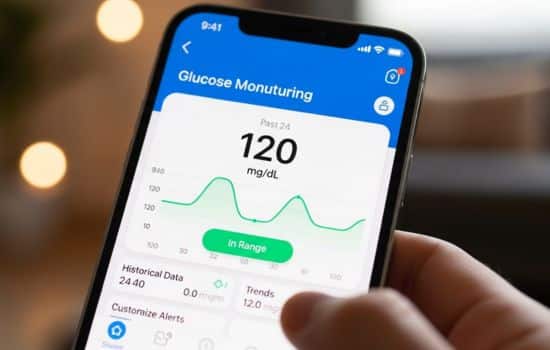
Raw numbers alone don’t tell the complete story. Effective apps transform data into meaningful charts and graphs that reveal patterns at a glance. Color-coded indicators help users quickly identify whether readings fall within target ranges.
Trend analysis features can highlight recurring problems, such as morning hyperglycemia or post-meal spikes, enabling proactive adjustments to diet or medication timing.
Customizable Reminders and Alerts
Consistency is crucial in diabetes management. Applications that offer customizable reminders help users maintain regular testing schedules, take medications on time, and remember important tasks like refilling prescriptions or scheduling medical appointments.
Smart alert systems can also warn users when readings approach dangerous thresholds, prompting immediate corrective action.

🔬 How Glucose Tracking Apps Improve Health Outcomes
Research consistently demonstrates that individuals who actively monitor their glucose levels achieve better glycemic control than those who don’t. Mobile applications amplify this benefit by making monitoring more convenient and less intrusive to daily life.
Studies have shown that app users tend to check their blood sugar more frequently and maintain more detailed records. This increased engagement correlates with lower HbA1c levels, which represents average glucose control over three months and serves as the gold standard for diabetes management assessment.
Behavioral Change Through Data Visibility
Seeing immediate feedback on how specific foods or activities affect blood sugar creates powerful learning opportunities. When users can directly observe that a particular meal causes a significant spike, they’re more likely to modify their choices in the future.
This cause-and-effect relationship becomes crystal clear through application dashboards, transforming abstract health recommendations into personalized, actionable insights.
Enhanced Communication with Healthcare Teams
Many glucose tracking applications include export features that generate comprehensive reports suitable for medical consultations. These reports can display average readings, time-in-range percentages, standard deviations, and other metrics that endocrinologists value when optimizing treatment plans.
Some platforms even offer secure sharing capabilities that allow healthcare providers to remotely monitor patient data, enabling proactive interventions before problems escalate.
🍽️ Integrating Nutrition Tracking with Glucose Monitoring
Food choices directly impact blood glucose levels, making nutrition tracking an essential component of diabetes management. Advanced applications recognize this connection and incorporate robust meal logging features.
The best apps include extensive food databases with nutritional information, carbohydrate counts, and glycemic index values. Some utilize artificial intelligence to estimate carbohydrates from food photographs, dramatically simplifying the logging process.
Understanding Carbohydrate Counting
For individuals using insulin, accurate carbohydrate counting is critical for dose calculation. Applications that assist with this task reduce the mental burden and potential for calculation errors that could result in hypoglycemia or hyperglycemia.
Meal planning features help users prepare diabetes-friendly menus while maintaining variety and enjoyment in their diets. Recipe suggestions with pre-calculated nutritional values make meal preparation less stressful.
💪 Activity Tracking and Its Glucose Impact
Physical activity significantly influences blood sugar levels, sometimes in unpredictable ways. Exercise typically lowers glucose during and shortly after activity, but intense workouts can temporarily raise levels due to stress hormone release.
Applications that integrate activity tracking help users understand their unique responses to different types of exercise. This knowledge enables better preparation, such as adjusting insulin doses or consuming appropriate snacks before workouts to prevent dangerous lows.
Synchronization with Fitness Devices
Many glucose apps connect with popular fitness trackers and smartwatches, automatically importing step counts, heart rate data, and workout sessions. This integration provides a complete picture of daily activity without requiring separate logging.
The correlation between activity patterns and glucose readings often reveals surprising insights, such as the blood sugar-stabilizing effect of evening walks or the metabolic boost from morning exercise.
🔔 Medication Management Features
Adherence to prescribed medication regimens is fundamental to diabetes control. Unfortunately, busy lifestyles often lead to missed doses or timing inconsistencies. Glucose tracking applications address this challenge through intelligent medication reminders.
Users can create detailed medication schedules that account for multiple daily doses, varying strengths, and complex timing requirements. The app sends push notifications at appropriate times, ensuring consistency even during hectic days.
Insulin Dose Calculators
Some sophisticated applications include insulin dose calculators that consider current glucose readings, planned carbohydrate intake, and individual sensitivity factors. While these calculators never replace professional medical advice, they serve as helpful decision-support tools for experienced users.
Documentation of insulin doses alongside glucose readings helps identify patterns of over- or under-dosing that might require regimen adjustments.
👥 Community Support and Educational Resources
Living with diabetes can feel isolating, but many glucose tracking apps incorporate community features that connect users with others facing similar challenges. These support networks provide emotional encouragement, practical tips, and shared experiences that reduce the psychological burden of chronic disease management.
Discussion forums within apps allow users to ask questions, celebrate victories, and receive advice from peers who truly understand the daily realities of diabetes. Some platforms facilitate mentorship programs pairing newly diagnosed individuals with experienced community members.
Built-In Educational Content
Quality applications go beyond simple data tracking by offering educational resources that help users become more knowledgeable about their condition. Articles, videos, and interactive tutorials cover topics ranging from basic diabetes physiology to advanced management strategies.
This educational component empowers users to make informed decisions and have more productive conversations with their healthcare providers. Understanding the “why” behind recommendations increases adherence and motivation.
🔒 Privacy and Data Security Considerations
Health data represents some of the most sensitive personal information individuals possess. When choosing a glucose tracking application, privacy and security must be paramount considerations.
Reputable apps comply with health information privacy regulations and employ encryption to protect user data both during transmission and when stored on servers. Clear privacy policies should explain exactly what information is collected, how it’s used, and whether it’s shared with third parties.
Data Ownership and Portability
Users should maintain full ownership of their health data with the ability to export complete records at any time. This portability ensures continuity if switching apps or healthcare providers.
Avoid applications that restrict data access or impose unreasonable barriers to exporting personal information. Your glucose readings and health records belong to you, not the app developer.
💰 Free Versus Premium App Options
The app marketplace offers both free and subscription-based glucose tracking solutions. Free applications typically provide basic logging and viewing capabilities, which may suffice for individuals with straightforward management needs.
Premium subscriptions unlock advanced features such as unlimited data storage, detailed analytics, personalized insights, medication reminders, and customer support. The value proposition depends on individual circumstances and management complexity.
Evaluating Cost-Benefit Ratios
When considering paid apps, assess whether premium features genuinely enhance your diabetes management or merely provide unnecessary bells and whistles. A subscription that costs a few dollars monthly but prevents even one emergency room visit through better glucose control represents exceptional value.
Many applications offer free trials of premium features, allowing users to evaluate functionality before committing financially. Take advantage of these trial periods to determine whether advanced capabilities justify the ongoing expense.
🌟 Real-World User Experiences and Success Stories
Countless individuals have transformed their diabetes management through dedicated glucose tracking applications. Users frequently report feeling more in control of their condition and less anxious about unpredictable blood sugar fluctuations.
Parents of children with Type 1 diabetes particularly appreciate remote monitoring features that allow them to check their child’s glucose levels throughout the school day, providing peace of mind while fostering appropriate independence.
Older adults often find that simplified app interfaces with large text and voice input options make consistent tracking feasible despite potential vision or dexterity challenges.
🚀 Future Innovations in Glucose Monitoring Technology
The intersection of glucose monitoring and mobile technology continues evolving rapidly. Emerging innovations promise even greater convenience and accuracy in diabetes management.
Continuous glucose monitoring (CGM) systems that integrate seamlessly with smartphone apps provide real-time glucose readings without fingerstick testing. These devices display current levels, trend arrows indicating direction of change, and predictive alerts for potential highs or lows.
Artificial Intelligence and Predictive Analytics
Next-generation applications leverage machine learning algorithms to predict future glucose trends based on historical patterns, meal composition, planned activities, and other variables. These predictions enable preemptive interventions that maintain stable glucose levels rather than reacting to problems after they occur.
AI-powered apps can also provide increasingly personalized recommendations that account for individual metabolic responses rather than generic guidelines.
📊 Choosing the Right App for Your Needs
Selecting a glucose tracking application should be a thoughtful process based on personal requirements, technical comfort level, and specific management goals.
Consider compatibility with your existing glucose meter or CGM system. Some apps work exclusively with particular device brands, while others accept manual entry from any meter.
Evaluate the user interface for intuitiveness and visual appeal. An app you find confusing or unattractive is one you’re unlikely to use consistently, regardless of its features.
Trial and Error Approach
Don’t hesitate to experiment with multiple applications before settling on your preferred solution. Most apps are free to download, and spending a week with each allows genuine evaluation of daily usability.
Pay attention to which app you naturally reach for and which one makes tracking feel like a manageable part of your routine rather than a burdensome chore.
🎓 Maximizing Your App Investment
Simply downloading a glucose tracking application doesn’t guarantee improved diabetes management. Success requires consistent engagement and willingness to act on the insights provided.
Establish a routine for checking and logging glucose readings at consistent times daily. This discipline creates the comprehensive dataset necessary for meaningful pattern recognition.
Review your data regularly, perhaps weekly, looking for trends that might inform adjustments to your diet, activity, or medication. Share notable observations with your healthcare team during appointments.
Setting Realistic Goals
Use your app to set and track progress toward specific, measurable goals such as achieving time-in-range percentages or reducing glucose variability. Celebrate improvements, no matter how small, as they represent meaningful steps toward better health.
Remember that glucose tracking apps are tools to support your management efforts, not replacements for professional medical care. Always consult with qualified healthcare providers before making significant treatment changes based on app data.
🌈 Living Better with Technology-Enhanced Diabetes Care
The availability of sophisticated glucose tracking applications represents a genuine breakthrough in diabetes management. These tools democratize access to advanced monitoring capabilities that were once available only through expensive medical devices or frequent clinic visits.
By transforming smartphones into powerful health management platforms, these applications help millions of people navigate the complexities of diabetes with greater confidence and improved outcomes. The combination of convenient data entry, intelligent analysis, and actionable insights creates a support system that fits seamlessly into modern life.
Whether you’re managing Type 1 diabetes, Type 2 diabetes, gestational diabetes, or prediabetes, the right application can become an indispensable partner in your health journey. The initial investment of time to learn the system pays dividends through years of better glucose control and reduced risk of complications.
Technology cannot cure diabetes, but it can certainly make living well with the condition significantly more achievable. Embracing these digital tools positions you to take maximum control of your health while maintaining the lifestyle you enjoy.
