
Anúncios
Training your pet at home doesn’t have to be complicated or stressful. With the right approach and consistency, you can teach your furry friend new behaviors and strengthen your bond together.


Whether you’ve just welcomed a new puppy into your home or you’re working with an older dog who needs some guidance, home training is one of the most rewarding experiences you can share with your pet. The beauty of training at home is that it happens in your pet’s natural environment, making the learning process more comfortable and effective.
Many pet owners believe that professional training is the only way to achieve results, but that’s simply not true. With patience, the right techniques, and a clear understanding of how your pet learns, you can accomplish amazing things right in your living room. Let’s explore practical methods that actually work. 🐾
Understanding Your Pet’s Learning Process
Before diving into specific training techniques, it’s essential to understand how your pet learns. Dogs, cats, and other pets don’t think like humans. They respond to associations, repetition, and immediate consequences of their actions.
Positive reinforcement is the cornerstone of modern pet training. This means rewarding desired behaviors rather than punishing unwanted ones. When your pet does something you like, immediately reward them with treats, praise, or playtime. This creates a positive association that encourages them to repeat the behavior.
Timing is everything in pet training. The reward must come within seconds of the desired behavior, or your pet won’t make the connection. This is why consistency among all family members is crucial—everyone needs to reinforce the same behaviors in the same way.
Creating the Perfect Training Environment at Home
Your home environment plays a significant role in training success. Start by choosing a quiet, distraction-free area where your pet can focus on you. A spare room, a corner of the living room, or even your backyard can work perfectly.
Remove potential distractions like toys, food bowls, or anything that might compete for your pet’s attention. You want their focus entirely on you and the task at hand. As your pet progresses, you can gradually introduce distractions to strengthen their training.
Keep training sessions short and sweet. Most pets have attention spans of just 5-15 minutes, especially puppies and kittens. Multiple short sessions throughout the day are far more effective than one long, exhausting session. 🎯
Essential Basic Commands Every Pet Should Know
Starting with fundamental commands builds the foundation for all future training. These basics aren’t just tricks—they’re essential communication tools between you and your pet.
Teaching “Sit” Effectively
The “sit” command is often the first behavior taught because it’s simple and useful. Hold a treat close to your pet’s nose, then slowly move your hand up and back over their head. As their head follows the treat, their bottom will naturally lower to the ground.
The moment their rear touches the floor, say “sit,” give them the treat, and offer enthusiastic praise. Repeat this process 5-10 times per session. Within a few days, most pets catch on quickly.
Mastering “Stay” for Safety
Once your pet understands “sit,” you can introduce “stay.” Ask your pet to sit, then hold your hand up in a stop gesture and say “stay.” Take one step back. If they remain sitting, immediately return and reward them.
Gradually increase the distance and duration. If your pet breaks the stay, don’t reward them—simply start again. This command is invaluable for preventing your pet from running out doors or approaching dangerous situations.
The Crucial “Come” Command
Teaching your pet to come when called can literally save their life. Start in a confined space with minimal distractions. Say your pet’s name followed by “come” in an excited, happy tone. When they approach, reward them generously.
Never call your pet to come for something unpleasant like nail trimming or medication. This creates a negative association. Instead, always make coming to you a rewarding experience. 🌟

Housebreaking and Potty Training Success
Potty training is often the biggest challenge for new pet owners, but it doesn’t have to be a nightmare. The key is establishing a consistent routine and closely supervising your pet.
Take your pet outside or to their designated potty area first thing in the morning, after meals, after naps, and before bedtime. Puppies typically need to go every 2-4 hours. When they eliminate in the correct spot, immediately praise and reward them.
Accidents will happen—it’s part of the learning process. Never punish your pet for accidents, especially if you didn’t catch them in the act. Simply clean it up with an enzymatic cleaner to remove odors and prevent repeat incidents in the same spot.
Recognizing Potty Signals
Learn to recognize your pet’s pre-potty signals. Most pets will sniff around, circle, whine, or move toward the door. When you notice these signs, immediately take them to their potty area. This proactive approach prevents accidents and speeds up the training process.
Addressing Common Behavioral Challenges
Even well-trained pets sometimes develop unwanted behaviors. The good news is that most issues can be resolved with consistent training and patience.
Stopping Excessive Barking
Barking is natural communication for dogs, but excessive barking can be problematic. First, identify why your dog is barking—boredom, anxiety, territorial behavior, or attention-seeking. Each cause requires a different approach.
For attention-seeking barking, completely ignore your dog until they’re quiet for at least five seconds, then reward the silence. For anxiety-related barking, address the underlying cause through gradual desensitization and creating a calm environment.
Curbing Jumping Behavior
Dogs jump to greet people because it gets them closer to faces and garners attention. To stop this, turn away and ignore your dog whenever they jump. Only give attention—petting, eye contact, or verbal greeting—when all four paws are on the ground.
Ask guests to follow the same rule. Consistency is critical. If one person allows jumping while others don’t, your pet will remain confused and the behavior will persist. 🐕
Managing Destructive Chewing
Chewing is a natural behavior, especially for puppies who are teething. Provide appropriate chew toys and rotate them regularly to maintain interest. When you catch your pet chewing something inappropriate, calmly redirect them to an approved toy and praise them when they chew it.
Exercise also reduces destructive behavior. A tired pet is less likely to seek entertainment through chewing your furniture. Ensure your pet gets adequate physical activity and mental stimulation daily.
The Power of Consistency and Patience
Training success hinges on consistency. Everyone in your household must use the same commands, follow the same rules, and enforce the same boundaries. Mixed signals confuse your pet and slow progress significantly.
Create a family training plan that outlines specific commands, hand signals, and rules. Post it somewhere visible so everyone can reference it. Hold brief family meetings to discuss training progress and address any inconsistencies.
Patience is equally important. Some pets learn quickly while others need more time. Age, breed, previous experiences, and individual personality all affect learning speed. Never compare your pet’s progress to others—focus on celebrating small victories along your unique journey.
Using Treats and Rewards Strategically
Treats are powerful training tools, but they must be used correctly. Choose small, soft treats that your pet loves but doesn’t get regularly. The treat should be special enough to motivate but small enough that you can use many during a session without overfeeding.
As your pet masters a behavior, gradually reduce treat frequency. Start by rewarding every successful attempt, then move to every other time, then randomly. This intermittent reinforcement actually strengthens the behavior because your pet never knows when the reward is coming.
Eventually, phase out treats entirely for well-established behaviors, replacing them with verbal praise and physical affection. However, occasional surprise treats help maintain enthusiasm for training. 🦴
Incorporating Play into Training Sessions
Training doesn’t have to feel like work. Incorporating play makes learning fun for both you and your pet. Use favorite toys as rewards, play short games between training repetitions, and maintain an upbeat, enthusiastic attitude.
Games like hide-and-seek reinforce the “come” command. Fetch naturally practices “drop it” and “wait.” Tug-of-war can teach impulse control if you establish clear start and stop cues. These playful interactions strengthen your bond while building obedience skills.
Socializing Your Pet Through Home Training
Socialization is a crucial aspect of training that’s often overlooked. A well-socialized pet is confident, friendly, and less likely to develop behavioral problems. While professional puppy classes are valuable, you can start socialization at home.
Expose your pet to various sounds, surfaces, objects, and experiences in a controlled, positive way. Play recordings of different noises at low volumes, gradually increasing as your pet becomes comfortable. Invite calm, pet-friendly visitors to your home to practice greeting behaviors.
Handle your pet regularly, touching their paws, ears, mouth, and tail gently. This preparation makes veterinary visits and grooming much easier. Always pair new experiences with treats and praise to create positive associations.
Recognizing When to Seek Professional Help
While home training handles most situations, some behavioral issues require professional guidance. Severe aggression, intense fear or anxiety, and compulsive behaviors often need an experienced trainer or veterinary behaviorist.
Don’t view seeking help as failure. Professional trainers have specialized knowledge and can identify underlying issues you might miss. They can create customized training plans and teach you techniques specific to your pet’s needs.
Online training apps and video courses also provide structured guidance and troubleshooting support. These resources offer convenience and affordability while still providing expert-designed training programs. 📱
Maintaining Training Throughout Your Pet’s Life
Training isn’t something you complete and forget. It’s an ongoing process that continues throughout your pet’s entire life. Regular practice maintains learned behaviors and prevents backsliding.
Set aside a few minutes daily for training refreshers. Practice commands during everyday activities—ask for a “sit” before meals, a “stay” before going through doors, or a “come” before playtime. This integration makes training a natural part of your routine.
Introduce new tricks and challenges periodically to keep your pet mentally stimulated. Learning new things throughout life keeps their mind sharp and engaged, especially important for senior pets. Mental exercise is as tiring as physical activity.
Building an Unbreakable Bond Through Training
The greatest benefit of home training isn’t just the behaviors your pet learns—it’s the deepened relationship you build together. Training requires communication, trust, and mutual respect. These shared experiences create understanding and connection that transcends simple obedience.
Your pet learns to look to you for guidance, and you learn to read their signals and understand their needs. This two-way communication forms the foundation of a harmonious household where both pet and owner feel understood and valued.
Celebrate progress, no matter how small. Did your puppy make it through the night without an accident? That’s worth celebrating! Did your dog sit the first time you asked? Amazing! These moments of success motivate continued effort and make the challenging days worthwhile. 🎉
Practical Tools That Support Home Training
While you don’t need expensive equipment to train your pet, certain tools make the process easier. A comfortable collar or harness, a standard six-foot leash, and a supply of high-value treats cover the basics.
Clicker training devices help mark desired behaviors with precision. The distinct click sound occurs at the exact moment of correct behavior, then you follow with a treat. This clarity accelerates learning for many pets.
Training apps provide structured programs, video demonstrations, and progress tracking. They break down complex behaviors into manageable steps and offer troubleshooting advice when you encounter difficulties. Technology brings professional expertise directly into your home.
Creating Realistic Training Goals
Set specific, achievable goals for your training journey. Instead of vague aims like “be better behaved,” define concrete objectives: “sit on command within three seconds” or “walk on leash without pulling for five minutes.”
Break large goals into smaller milestones. If your ultimate goal is off-leash reliability, start with basic leash walking, then long-line training, then short off-leash sessions in enclosed areas. Each small success builds confidence and competence.
Track your progress in a training journal. Note what worked, what didn’t, and how your pet responded. This record helps you identify patterns, adjust your approach, and appreciate how far you’ve come during frustrating moments.
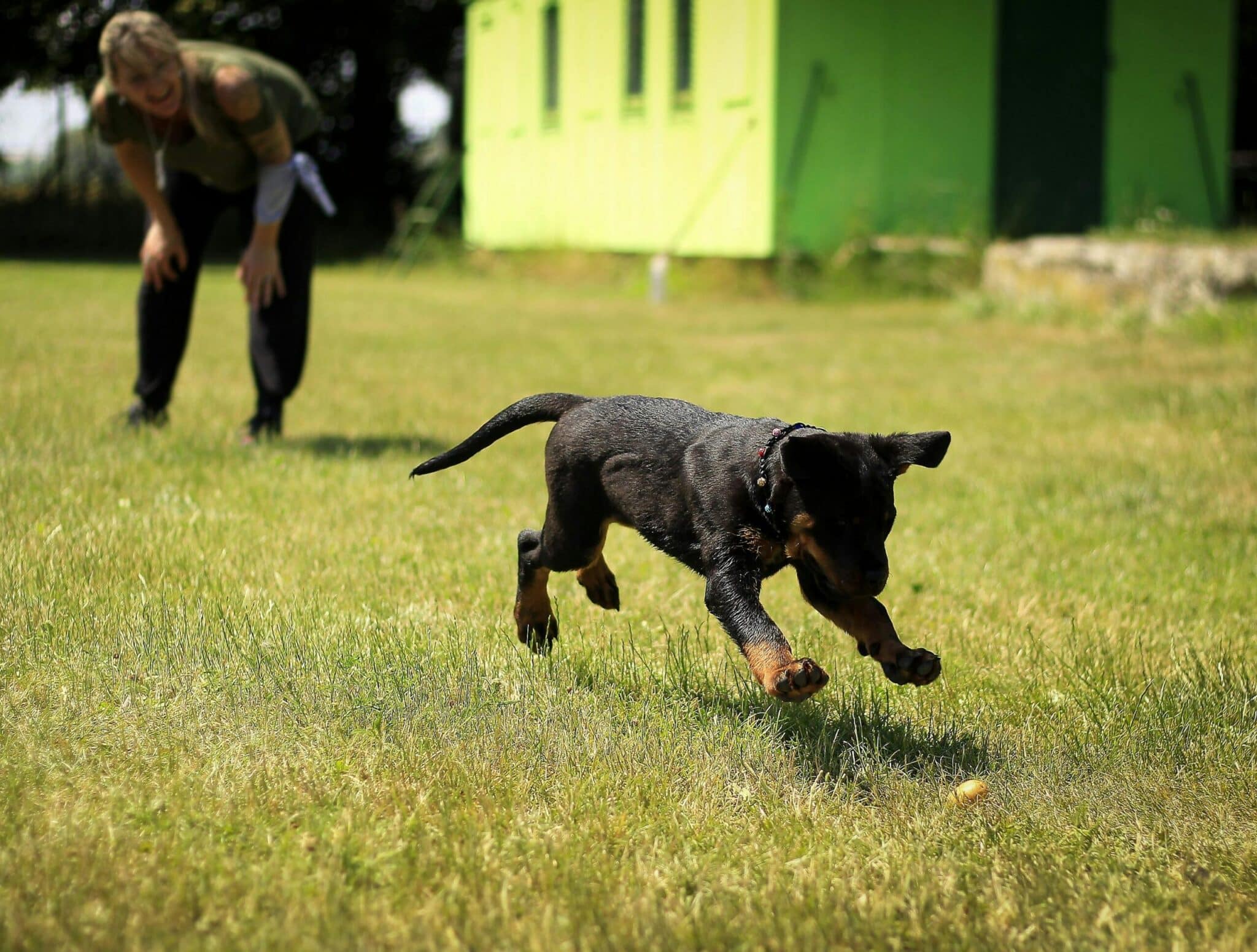
The Joy of Training Success
There’s nothing quite like the moment when everything clicks—when your pet performs a behavior perfectly, and you both know you’ve achieved something special together. These breakthrough moments make all the patience and consistency worthwhile.
Home training empowers you as a pet owner. You’re not dependent on expensive classes or professional trainers for basic obedience. You have the knowledge and skills to shape your pet’s behavior and address challenges as they arise.
Most importantly, training creates a happier, more confident pet. Well-trained pets receive more freedom, face fewer restrictions, and enjoy more activities with their families. They understand what’s expected, which reduces stress and anxiety. A trained pet is truly a treasured companion who enhances every aspect of your life. ✨
