
Anúncios
In our fast-paced modern world, finding moments of peace has become essential for mental and physical well-being, and music offers a powerful pathway to relaxation.


The therapeutic power of calming melodies has been recognized across cultures for centuries. Whether you’re struggling with insomnia, dealing with daily stress, or simply seeking a moment of tranquility, the right musical selection can transform your emotional state and help you achieve deep relaxation.
Science has proven that specific frequencies, rhythms, and harmonies can slow heart rate, reduce cortisol levels, and activate the parasympathetic nervous system. This natural approach to stress relief requires no medication, no special equipment—just your willingness to listen and let go.
🎵 The Science Behind Music and Relaxation
Understanding how music affects our brain helps explain why certain sounds calm us so effectively. When we listen to soothing music, our brainwaves begin to synchronize with the tempo and rhythm, a phenomenon known as entrainment.
Research published in neuroscience journals demonstrates that slow-tempo music (around 60-80 beats per minute) can induce alpha brainwave states associated with relaxation and meditation. This synchronization allows our mind to shift from the beta state of active thinking to the more peaceful alpha and theta states.
Additionally, calming music triggers the release of dopamine, the feel-good neurotransmitter, while simultaneously reducing cortisol production. This biochemical shift creates the perfect internal environment for rest, recovery, and deep sleep.
The auditory cortex connects directly to the limbic system—our emotional center—which explains why certain melodies can instantly transport us to a state of peace. This neural pathway bypasses our logical mind, allowing music to work its magic even when we’re consciously resistant to relaxation.
✨ Types of Music That Promote Deep Relaxation
Not all music serves the same purpose when it comes to unwinding. The most effective relaxation music shares certain characteristics that distinguish it from other genres.
Classical Compositions for Serenity
Baroque and classical pieces, particularly those by composers like Bach, Mozart, and Debussy, feature mathematical precision and harmonic balance that naturally soothe the nervous system. The predictable yet sophisticated patterns provide structure without stimulation.
Piano sonatas and string quartets create gentle soundscapes that encourage contemplation without demanding attention. These timeless compositions have helped millions find peace before sleep for generations.
Nature Sounds and Ambient Textures
The sounds of rainfall, ocean waves, forest atmospheres, and gentle streams tap into our evolutionary connection with natural environments. Our ancestors found safety in these sounds, and our modern brains still respond with relaxation when we hear them.
Ambient music blends electronic textures with organic elements, creating immersive sonic environments that support meditation and sleep. These soundscapes often lack distinct melodies, allowing your mind to drift without following a narrative structure.
Meditation and Spa Music
Specifically designed for relaxation practices, meditation music incorporates sustained tones, gentle chimes, singing bowls, and minimal percussion. These elements create a sacred space for introspection and stress release.
Spa music typically features soft instrumental layers with slight variations that maintain interest without causing alertness. The intentional pacing and volume consistency make these tracks ideal for extended listening sessions.

🌙 Creating Your Perfect Sleep Soundtrack
Building an effective nighttime playlist requires more than randomly selecting calm songs. The sequence, duration, and volume levels all contribute to how well the music supports your journey into sleep.
Start with slightly more engaging pieces that help transition your mind from daytime activities. Gradually move toward simpler, slower compositions as the playlist progresses. This creates a natural descent into deeper relaxation states.
Consider these essential elements when curating your sleep music collection:
- Choose tracks without sudden volume changes or jarring transitions
- Avoid music with lyrics in languages you understand, as words engage the language-processing centers of your brain
- Select pieces between 3-8 minutes long to maintain continuity without abrupt endings
- Ensure your total playlist runs at least 45-60 minutes to carry you through the initial sleep cycles
- Test different genres and styles to discover what resonates most with your personal preferences
Many people find success with binaural beats—audio tracks that present slightly different frequencies to each ear, creating a perceived third tone that encourages specific brainwave states. Delta wave frequencies (0.5-4 Hz) are particularly effective for deep sleep induction.
💆♀️ Practical Tips for Maximizing Music’s Relaxing Benefits
Simply playing relaxing music in the background won’t automatically guarantee results. How you engage with the soundscape significantly impacts its effectiveness.
Set the Right Volume Level
Music for relaxation should be barely audible—a soft whisper rather than a clear statement. When the volume is too high, your brain remains engaged in active listening rather than passive reception. The ideal level allows you to hear the music when you focus on it but permits it to fade into the background when you don’t.
Establish a Consistent Routine
Your brain loves patterns and rituals. By playing relaxation music at the same time each evening, you create a powerful conditioning response. Over time, simply hearing your chosen tracks will trigger your body’s relaxation response, making the process faster and more effective.
Consider beginning your wind-down ritual 30-60 minutes before your desired sleep time. Use this period to dim lights, reduce screen exposure, and engage in gentle activities while your relaxation music plays softly in the background.
Combine Music with Other Relaxation Techniques
Music amplifies the effectiveness of other calming practices. Try pairing your listening sessions with:
- Progressive muscle relaxation, tensing and releasing each body part systematically
- Deep breathing exercises that extend your exhale longer than your inhale
- Gentle stretching or restorative yoga poses
- Aromatherapy using lavender, chamomile, or sandalwood essential oils
- Guided visualization or body scan meditations
This multi-sensory approach creates a more comprehensive relaxation experience that addresses stress from multiple angles simultaneously.
🎧 Technology and Apps for Accessible Relaxation Music
Modern technology has made accessing high-quality relaxation music easier than ever. Dedicated applications offer curated collections, customizable soundscapes, and features specifically designed to support sleep and stress relief.
The best relaxation music apps provide extensive libraries organized by mood, purpose, and sound type. Look for platforms that offer offline listening, timer functions, and the ability to mix different sounds to create your perfect atmosphere.
Many apps include additional features like sleep tracking, breathing exercises, and meditation guidance that complement the musical elements. These integrated approaches recognize that relaxation often requires more than just passive listening.
When selecting a music app for relaxation purposes, prioritize those with high-quality audio recordings. Compressed, low-bitrate files can contain harsh artifacts that subtly activate your nervous system rather than calming it. Premium services typically offer lossless or high-definition audio that preserves the therapeutic qualities of the original recordings.
🌊 The Role of Frequency and Tempo in Relaxation
Not all calming music operates at the same frequency level, and understanding these differences helps you choose more effectively for your specific needs.
Music tuned to 432 Hz is believed by many practitioners to resonate more harmoniously with the natural world, though scientific evidence remains mixed. Regardless of the metaphysical claims, many listeners report feeling more centered when listening to music at this frequency compared to the standard 440 Hz tuning.
Solfeggio frequencies, an ancient scale used in sacred music, assigns specific healing properties to certain tones. The 528 Hz frequency, often called the “love frequency,” is associated with DNA repair and stress reduction. While mainstream science hasn’t fully validated these claims, the consistent anecdotal reports suggest something meaningful occurs for many individuals.
Tempo matters tremendously when selecting relaxation music. As mentioned earlier, 60-80 beats per minute aligns with a resting heart rate, encouraging your cardiovascular system to slow down naturally. Music slower than 60 BPM can induce even deeper states, though some people find extremely slow tempos monotonous rather than relaxing.
🧘♂️ Music for Different Relaxation Scenarios
Your relaxation needs vary depending on the time of day, your stress level, and your specific goals. Tailoring your musical selection to these contexts increases effectiveness.
Morning Stress Relief
Starting your day with gentle music can set a peaceful tone that carries through your activities. Choose lighter compositions with slightly more energy than nighttime selections—think acoustic guitar, soft jazz, or gentle world music that uplifts without overstimulating.
Midday Tension Release
When workplace stress accumulates, a 10-15 minute music break can reset your nervous system. Opt for instrumental pieces without dramatic dynamics, allowing your mind to briefly disconnect from problem-solving mode while remaining alert enough to return to tasks.
Evening Wind-Down
As you transition from productivity to rest, your musical choices should become progressively slower and simpler. Begin with familiar, comforting pieces before moving into more abstract ambient sounds that support sleep preparation.
Nighttime Sleep Induction
For actual sleep, the most effective music features minimal melodic content, extremely slow tempos, and consistent volume levels. White noise, brown noise, and drone-based compositions work particularly well because they mask environmental sounds without engaging your conscious attention.
🌟 Personal Stories: How Music Transformed Sleep and Stress
Real experiences illustrate music’s profound impact better than any theoretical explanation. Countless individuals have discovered life-changing benefits from incorporating relaxation music into their daily routines.
One professional dealing with chronic insomnia reported that after years of pharmaceutical sleep aids, a consistent bedtime routine featuring meditation music finally allowed natural sleep to return. The key was patience and consistency—results appeared gradually over several weeks as the brain formed new associations between the sounds and sleep.
Another person managing anxiety found that playing nature sounds during particularly stressful moments at work provided an instant calming effect. The psychological escape offered by ocean waves or forest ambience created a mental buffer against overwhelming demands.
Parents frequently report that establishing music-based bedtime rituals helps children settle more peacefully. The predictable routine signals that sleep time approaches, reducing resistance and creating positive associations with rest.
🎼 Creating Your Own Relaxation Music Rituals
The most powerful relaxation practices are those you design specifically for your unique needs, preferences, and lifestyle. While general guidelines provide helpful starting points, personalization ensures long-term success.
Begin by experimenting with different musical styles over several weeks. Keep a simple journal noting which genres, tempos, and sounds produce the strongest relaxation response. Pay attention to how you feel immediately after listening and the following morning.
Consider your sensory preferences beyond just auditory input. Some people respond better to music paired with darkness and coolness, while others prefer soft lighting and warmth. Creating a complete environmental experience enhances the music’s effectiveness.
Don’t underestimate the power of intention. Before beginning your listening session, take a moment to consciously decide to relax. This simple mental commitment activates your body’s natural relaxation mechanisms and primes you to receive the music’s full benefits.
🌈 Beyond Sleep: Music for Meditation and Mindfulness
While sleep represents one important application, relaxation music serves many other wellness purposes. Meditation practitioners have long understood that the right sonic environment dramatically deepens contemplative practices.
During seated meditation, music can provide an anchor point for wandering attention. When your mind drifts into planning or rumination, the gentle presence of sound offers a neutral focal point to return to without judgment.
Mindfulness exercises benefit from musical accompaniment that supports present-moment awareness. Compositions with subtle variations maintain interest while encouraging observation rather than analysis—you notice the music changing without becoming absorbed in narrative meaning.
Movement practices like tai chi, qigong, and gentle yoga flow beautifully with appropriate musical selections. The rhythm provides pacing guidance while the harmonic content supports the meditative quality these disciplines cultivate.
💤 Overcoming Common Challenges with Relaxation Music
Despite music’s proven benefits, some people encounter obstacles when first implementing this practice. Understanding these challenges and their solutions increases your likelihood of success.
Some individuals report that music keeps them awake rather than helping them sleep. This typically occurs when the selections are too interesting or engaging. The solution involves choosing simpler, more repetitive compositions that don’t trigger active listening responses.
Others find that any sound, even gentle music, proves distracting. For these individuals, starting with extremely low volumes and gradually increasing comfort with sonic presence works better than immediately playing music at normal levels.
Occasionally, people experience increased anxiety when attempting to relax, a phenomenon called relaxation-induced anxiety. If music triggers this response, combine it with active relaxation techniques like progressive muscle relaxation that give your mind a concrete task to focus on.
🎹 The Future of Relaxation Music and Sound Therapy
As our understanding of music’s neurological effects deepens, increasingly sophisticated applications are emerging. Artificial intelligence now creates personalized soundscapes that adapt in real-time to your biometric feedback, optimizing relaxation responses.
Virtual reality environments combine immersive visuals with three-dimensional audio to create complete sensory experiences that transport users to tranquil settings. These technologies show particular promise for people living in stressful urban environments who lack access to natural calm spaces.
Healthcare integration is expanding as more medical professionals recognize music therapy’s legitimate therapeutic value. Hospitals now employ music therapists, and relaxation music appears in treatment protocols for conditions ranging from chronic pain to post-traumatic stress disorder.
The accessibility of high-quality relaxation music continues improving, with free and affordable options proliferating across platforms. This democratization ensures that anyone, regardless of economic resources, can access these powerful wellness tools.
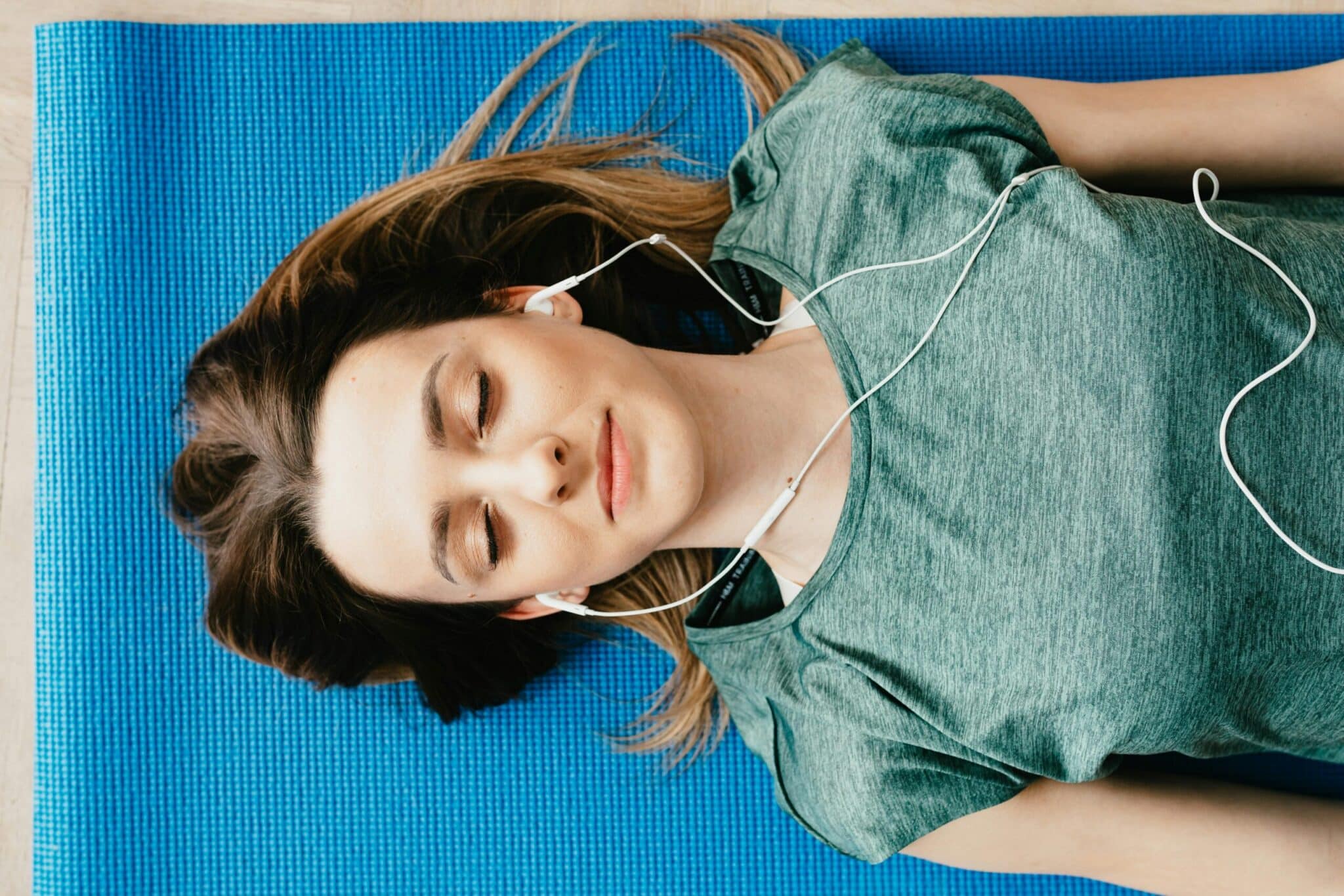
🌺 Embracing Stillness Through Sound
In a world that constantly demands our attention and energy, learning to truly relax has become a revolutionary act of self-care. Music provides a gentle, accessible pathway into the stillness we all desperately need but often struggle to find.
The beauty of this approach lies in its simplicity—no special skills required, no expensive equipment necessary, just your willingness to pause and listen. Each time you consciously choose calming music over stimulating noise, you reinforce neural pathways that support long-term stress resilience.
Remember that developing a relaxation practice takes time and patience. Your first listening sessions might not produce dramatic results, but consistency creates cumulative benefits. Trust the process, remain curious about what works for you, and allow music to gradually reshape your relationship with stress and rest.
The therapeutic soundscapes waiting for you represent more than entertainment—they’re invitations to return home to yourself, to rediscover the peace that exists beneath life’s surface turbulence. When you accept this invitation regularly, you’ll find that relaxation becomes not just something you do, but something you are.
Start tonight. Choose your music, dim the lights, and give yourself permission to simply be. Your mind and body will thank you with the deep, restorative rest they’ve been craving all along. Sweet dreams await on the other side of these calming melodies. 🌙✨
