
Anúncios
Modern navigation apps have transformed how we drive, offering real-time updates on traffic conditions, speed cameras, and road hazards—empowering drivers to make smarter, safer decisions every single day.


Gone are the days of unexpected speeding tickets or sitting in gridlock without warning. GPS navigation technology has evolved from simple route guidance into intelligent systems that alert drivers about speed cameras, police checkpoints, accidents, and congestion—all in real time.
Whether you’re commuting to work, planning a road trip, or navigating unfamiliar streets, having instant traffic alerts at your fingertips can save time, reduce stress, and help you avoid costly fines. Let’s explore how these advanced GPS features work and why they’ve become essential tools for millions of drivers worldwide. 🚗
📍 Why Real-Time Traffic Alerts Matter More Than Ever
Traffic patterns have become increasingly unpredictable. Construction zones pop up overnight, accidents cause sudden delays, and speed cameras multiply across highways and urban areas. Traditional GPS systems that only provided turn-by-turn directions simply aren’t enough anymore.
Real-time traffic intelligence helps drivers anticipate problems before encountering them. When your navigation app warns you about a traffic jam five miles ahead, you can take an alternate route and save 20 minutes. When it alerts you to a speed camera around the next curve, you can adjust your speed accordingly and avoid a hefty fine.
These features aren’t luxuries—they’re necessities in today’s fast-paced world where every minute counts and driving costs continue to rise. The best navigation apps crowdsource information from millions of users, creating a comprehensive network of eyes on the road that benefits everyone in the community.
🚨 Understanding Speed Camera Alerts
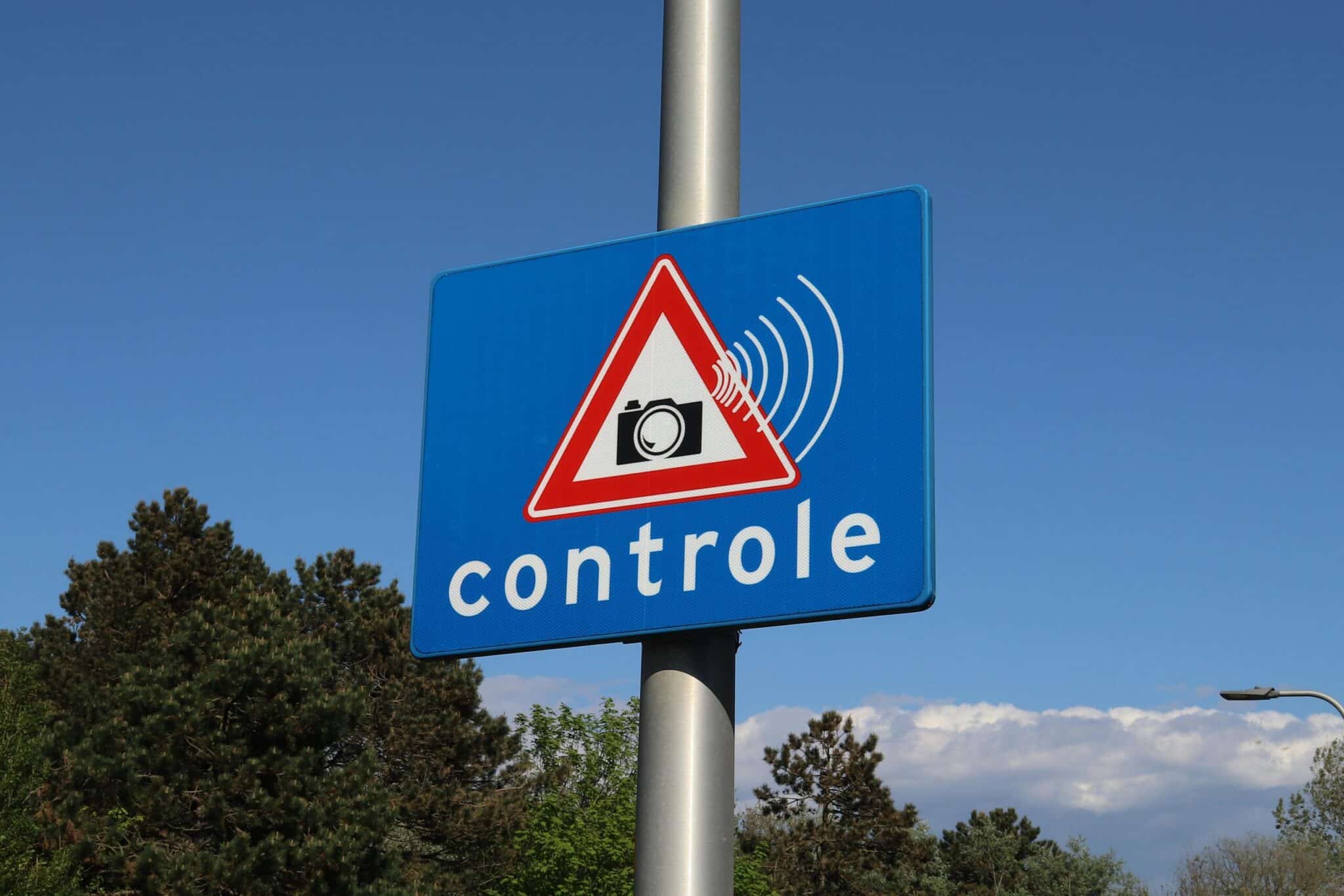
Speed cameras have become ubiquitous enforcement tools worldwide. Fixed cameras monitor highways, mobile units hide on side streets, and average speed cameras track vehicles over long distances. Getting caught by one can result in fines ranging from moderate to severe, plus points on your license that increase insurance premiums.
Modern GPS apps maintain extensive databases of fixed camera locations, updated regularly by their user communities. When you approach a known speed camera, the app provides both visual and audio alerts, giving you time to check your speedometer and adjust if necessary.
But the real magic happens with mobile camera reporting. Users can instantly report temporary speed traps, police checkpoints, and mobile enforcement units. Within seconds, that information broadcasts to nearby drivers, creating a real-time safety network that traditional GPS systems can’t match.
🛣️ How Community-Based Navigation Changed Everything
The revolution in GPS technology came when developers realized that drivers themselves could provide better, more current information than any map company could collect. This crowdsourced approach transformed navigation from a one-way information flow into a collaborative network.
Every time a user reports an accident, pothole, road closure, or police presence, that data instantly becomes available to other drivers in the area. The system validates reports through multiple user confirmations, filtering out false information while ensuring accuracy.
This community-driven model creates incredible value. Instead of waiting for official traffic reports or relying on outdated information, drivers receive up-to-the-second updates from people who are experiencing conditions right now, just a few minutes or miles ahead.

📱 Key Features That Make Modern GPS Apps Indispensable
Today’s advanced navigation applications go far beyond basic directions. They’ve evolved into comprehensive driving assistants that address nearly every challenge drivers face on the road. Let’s examine the features that make them so valuable:
- Real-time traffic updates: Color-coded maps show traffic flow intensity, helping you visualize congestion at a glance
- Automatic rerouting: When conditions change, the app calculates alternative routes and suggests faster options
- Multi-stop trip planning: Optimize routes with multiple destinations for maximum efficiency
- Voice-guided navigation: Keep your eyes on the road while receiving clear, timely directions
- Offline maps: Download areas in advance for navigation without cellular data
- Lane guidance: Know exactly which lane to use for upcoming turns and exits
- Speed limit displays: See posted speed limits even when signs aren’t visible
- Parking assistance: Find available parking near your destination with pricing information
⚡ The Technology Behind Real-Time Alerts
Understanding how these systems work helps appreciate their sophistication. Real-time traffic intelligence combines multiple data sources into a cohesive, actionable information stream that updates continuously as conditions change.
GPS location tracking forms the foundation. By monitoring millions of smartphones moving along roadways, the system can calculate average speeds on every street segment. When speeds drop significantly below normal, the algorithm identifies congestion and routes around it.
Historical data adds another dimension. The system learns typical traffic patterns for different times and days, recognizing when current conditions deviate from expectations. This predictive capability helps the app anticipate problems before they fully develop.
User reports provide the qualitative context that raw speed data can’t capture. A sudden slowdown might be construction, an accident, a speed trap, or a sporting event. User-submitted reports clarify the cause, helping other drivers understand what to expect and how long delays might last.
🎯 Maximizing the Benefits of Traffic Alerts
Simply having a navigation app installed isn’t enough—you need to use it strategically to extract maximum value. Here are proven practices that experienced drivers follow to make the most of real-time traffic intelligence:
Always start the app before beginning your journey, even for familiar routes. Traffic conditions change unpredictably, and the route you’ve driven hundreds of times might have a major delay today. Starting the app early gives it time to calculate the optimal path based on current conditions.
Enable notifications and audio alerts. Visual information helps, but audio warnings ensure you receive critical alerts about speed cameras and sudden hazards even when you’re not looking at the screen. Configure alert volumes and types to match your preferences and local laws regarding phone use while driving.
Contribute to the community by reporting conditions you encounter. It takes just seconds to confirm an alert or report a new hazard, and your contribution helps thousands of other drivers. The more people participate, the more valuable the system becomes for everyone.
💡 Smart Strategies for Different Driving Scenarios
Different situations call for different approaches to using GPS navigation and traffic alerts. Tailoring your strategy to specific circumstances maximizes benefits while minimizing distractions.
🏙️ Urban Commuting
City driving presents unique challenges with dense traffic, numerous traffic lights, and frequent slowdowns. For daily commutes, check your navigation app before leaving home or work. Even a five-minute delay in departure can mean the difference between smooth sailing and bumper-to-bumper frustration.
Set up favorite destinations for your common routes—home, work, gym, school. This speeds up route selection and lets you compare multiple path options quickly. Some apps learn your routine and automatically provide traffic updates for your typical commute without requiring manual input.
Pay special attention to alternative route suggestions during rush hours. Sometimes a route that’s longer in distance but uses less congested roads will get you there faster and with less stress than the theoretically shorter path.
🛤️ Highway Driving
Long-distance highway travel benefits enormously from real-time traffic intelligence. Accidents on major highways can create delays lasting hours, but catching them early lets you take state roads or alternate highways to maintain progress.
Monitor the route overview periodically during long trips. Traffic conditions ahead might change significantly while you’re driving, and a proactive check every 30-45 minutes helps you stay ahead of developing problems.
Speed camera alerts become especially valuable on highways where limits vary and enforcement can be aggressive. The combination of fatigue, autopilot driving, and speed creep makes it easy to exceed limits without realizing it—until that flash in your rearview mirror.
🗺️ Unfamiliar Territory
Navigating new cities or regions introduces additional stress and uncertainty. Real-time GPS guidance becomes your local expert, helping you avoid tourist traps, dangerous neighborhoods, and inefficient routes that waste time and fuel.
When traveling in unfamiliar areas, download offline maps before you go. Cellular coverage can be spotty, and international data charges add up quickly. Offline maps ensure continuous navigation even without connectivity, though real-time features require an internet connection.
Read user reports carefully in new locations. They often contain locally specific warnings about road conditions, enforcement patterns, and area hazards that wouldn’t be obvious to visitors. This crowdsourced local knowledge proves invaluable for safe, efficient travel.
🔐 Privacy and Safety Considerations
While navigation apps provide tremendous benefits, they also collect significant data about your movements, habits, and locations. Understanding privacy implications helps you make informed decisions about which features to enable and how to configure your settings.
Most apps request access to your location, contacts, and sometimes other phone features. Location access is obviously necessary for navigation, but you can typically choose between “always allow” and “only while using the app.” The latter option provides better privacy by preventing background tracking when you’re not actively navigating.
Review your app’s privacy settings and data sharing policies. Many allow you to opt out of certain data collection or advertising features while maintaining core navigation functionality. Some apps anonymize user data, while others retain detailed trip histories.
Safety should always take precedence over navigation. Never interact with your phone while the vehicle is moving—set your destination before departure, use voice commands for adjustments, or pull over safely if you need to review the map. No time savings justify the risk of distracted driving accidents.
🌟 The Future of Smart Navigation
GPS navigation technology continues evolving rapidly, with innovations on the horizon that will make driving even safer and more efficient. Understanding emerging trends helps you anticipate capabilities that may soon become standard features.
Artificial intelligence and machine learning are enhancing predictive capabilities. Future systems will better anticipate your destinations based on time, day, and patterns, automatically providing route guidance before you even request it. They’ll predict traffic problems earlier and with greater accuracy by analyzing more complex data patterns.
Integration with vehicle systems is expanding. Many new cars feature built-in navigation displays that sync with smartphone apps, providing seamless information flow between devices. Eventually, autonomous vehicles will rely heavily on the same crowdsourced traffic intelligence that helps human drivers today.
Augmented reality features are beginning to appear, overlaying navigation arrows and alerts directly onto camera views of the road ahead. This technology could make directions even more intuitive by showing you exactly where to turn in the context of what you’re actually seeing through the windshield.
🎉 Embracing a Smarter Driving Experience
The transformation from paper maps to intelligent, community-powered navigation represents one of the most practical applications of mobile technology. What started as simple digital mapping has evolved into comprehensive traffic intelligence systems that benefit millions of drivers daily.
No more surprises when you round a corner and see flashing lights. No more sitting in unexpected traffic wondering if there’s a better route. No more speeding tickets from cameras you didn’t know existed. Modern GPS navigation puts you in control, providing the information you need to make smart decisions on every journey.
The key lies in choosing the right navigation app for your needs and learning to use it effectively. With real-time traffic updates, speed camera alerts, and crowdsourced road information, you’ll save time, reduce stress, and drive more safely—whether commuting to work or exploring new destinations. 🚀
Download a modern navigation app today and experience the difference that real-time traffic intelligence makes. Join millions of drivers who have already discovered that being informed, prepared, and connected transforms driving from a stressful chore into a manageable, even enjoyable part of daily life. The road ahead has never been clearer.
