
Anúncios
Severe weather can strike anywhere, anytime. Knowing how to identify danger signs and protect yourself from storms and hurricanes is essential for your safety and peace of mind.


Every year, thousands of people face the devastating impact of tropical storms and hurricanes. Whether you’re at home, traveling, or living in a coastal area, understanding weather patterns and warning systems can mean the difference between life and death.
This comprehensive guide will walk you through the essential knowledge needed to recognize danger, prepare adequately, and respond effectively when severe weather threatens your location. Let’s explore the critical information that could save your life. ⛈️
🌪️ Understanding the Difference Between Storms and Hurricanes
Before diving into safety protocols, it’s crucial to understand what you’re facing. Tropical storms and hurricanes are both cyclonic systems, but they differ significantly in intensity and potential damage.
A tropical storm features sustained winds between 39 and 73 miles per hour. While dangerous, these systems typically cause moderate damage to structures and vegetation. Hurricanes, however, pack winds exceeding 74 mph and are categorized on the Saffir-Simpson scale from Category 1 to Category 5.
Category 1 hurricanes produce winds of 74-95 mph, causing some damage to roofing and siding. Category 5 monsters, with winds above 157 mph, can level entire neighborhoods and render areas uninhabitable for months. Understanding these classifications helps you gauge the appropriate response level.
🚨 Early Warning Signs Nature Provides
Mother Nature often sends subtle signals before severe weather arrives. Recognizing these natural warning signs can give you precious extra time to prepare.
Watch for unusual animal behavior. Birds often flee areas ahead of approaching storms, while pets may become anxious or restless. The ocean provides clues too—abnormally high swells, changes in water color, or sudden temperature drops can indicate a storm system offshore.
Sky conditions offer critical information. A greenish tint to clouds, rapidly changing wind directions, or an eerie calm after turbulent weather can signal imminent danger. Barometric pressure changes are also telling—a sudden drop often precedes severe weather by several hours.
Pay attention to increased humidity levels and the distinctive smell in the air before storms. These atmospheric changes, combined with visual cues, create a comprehensive early warning system when you know what to observe.
📱 Modern Technology: Your Digital Guardian
While natural signs are valuable, modern technology provides unprecedented accuracy in tracking and predicting severe weather events. Smartphone applications have revolutionized personal weather safety.
Dedicated hurricane tracking apps offer real-time updates on storm positions, projected paths, and intensity forecasts. These tools use data from satellites, weather stations, and sophisticated computer models to provide hour-by-hour predictions.

Push notifications ensure you receive alerts even when not actively checking weather conditions. Many apps feature customizable alert zones, allowing you to monitor multiple locations simultaneously—perfect for travelers or those with family spread across different regions.
National weather services worldwide also maintain official apps and websites. The National Hurricane Center, for instance, provides authoritative forecasts and detailed analysis. European services, Asian meteorological agencies, and regional weather bureaus all offer specialized tools for their coverage areas.
🗺️ Understanding Weather Maps and Forecasts
Raw data means little without interpretation skills. Learning to read weather maps transforms you from passive information receiver to active safety manager.
The iconic hurricane symbol on maps shows the storm’s current center. The “cone of uncertainty” illustrates possible paths over the next few days. Remember, this cone represents where the storm’s center might go—the actual dangerous weather extends far beyond these boundaries.
Color coding indicates wind speeds and precipitation intensity. Warm colors (red, orange, yellow) typically represent higher winds or heavier rainfall. Arrows show movement direction and speed, usually measured in knots or miles per hour.
Pressure systems matter tremendously. Low-pressure centers (marked with “L”) attract storms, while high-pressure areas (marked with “H”) can deflect or slow them. The interaction between these systems determines ultimate storm tracks.
⏰ Critical Timing: When to Take Action
Knowing when to act is as important as knowing what to do. Emergency management professionals work on specific timelines based on storm approach speed and intensity.
At 72 hours out, monitor forecasts closely and begin reviewing your emergency plan. This is the time to check supplies, secure important documents, and confirm evacuation routes if you live in vulnerable areas.
When storms reach the 48-hour threshold, finalize preparations. Stock up on water, non-perishable food, medications, and batteries. Fill vehicle gas tanks—stations may lose power or run dry as the event approaches.
The 24-hour mark demands decisive action. If authorities issue evacuation orders, leave immediately. Waiting until the last minute creates dangerous traffic congestion and limits your options. If staying put, complete all outdoor preparations—anything loose becomes a projectile in hurricane winds.
At 12 hours before impact, cease outdoor activities entirely. The storm’s outer bands bring dangerous conditions well before the center arrives. Secure yourself in your designated safe space with all supplies readily accessible.
🏠 Home Preparation Strategies
Your residence is your primary shelter, and proper preparation dramatically improves its protective capabilities. Start with the exterior by securing or removing anything wind can grab—patio furniture, decorations, trash cans, and even lightweight vehicles.
Install storm shutters or board up windows using plywood cut to fit specific openings. Contrary to popular belief, opening windows doesn’t equalize pressure—it invites rain damage and flying debris inside your home.
Reinforce garage doors, which are often the weakest structural point in modern homes. A failed garage door can pressurize your house, potentially causing roof failure. Aftermarket bracing kits are inexpensive and highly effective.
Inside, identify the safest room—typically a small, windowless interior space on the lowest floor, away from corners where walls meet. Bathrooms often work well due to additional plumbing that reinforces walls. Stock this space with emergency supplies and important documents in waterproof containers.
💼 Essential Emergency Supply Checklist
A well-stocked emergency kit is non-negotiable. Your supplies should sustain everyone in your household for at least seven days, as restoration of services can take considerable time after major storms.
- Water: One gallon per person per day for drinking and sanitation
- Food: Non-perishable items requiring minimal preparation
- Medications: Prescription drugs, over-the-counter pain relievers, first aid supplies
- Power: Flashlights, batteries, portable phone chargers, battery-powered or hand-crank radio
- Documents: Insurance policies, identification, bank records in waterproof containers
- Cash: ATMs and card readers won’t function without power
- Hygiene: Toilet paper, feminine products, soap, hand sanitizer
- Tools: Manual can opener, multipurpose knife, duct tape, plastic sheeting
- Special needs: Baby formula, pet food, items for elderly or disabled family members
Don’t forget comfort items, especially for children. Familiar toys, books, or games help manage stress during prolonged confinement. Include a deck of cards, puzzles, or other entertainment that doesn’t require electricity.
🚗 Evacuation Planning and Execution
When authorities order evacuations, compliance saves lives. Arguments about property protection pale in comparison to human safety—structures can be rebuilt, but lives cannot be replaced.
Plan multiple evacuation routes since primary roads may become impassable. Identify destinations outside the danger zone, preferably with friends or family who can host you. If that’s not possible, research hotel availability inland and book early.
Prepare an evacuation bag containing three days of supplies, important documents, electronic device chargers, change of clothes, and essential medications. Keep this bag accessible and ready to grab at a moment’s notice.
Special considerations apply for pets. Many emergency shelters don’t accept animals, so identify pet-friendly accommodations in advance. Prepare a pet carrier and supplies including food, water, medications, and veterinary records.
Leave early, before conditions deteriorate. Traffic congestion intensifies as departure deadlines approach. What should be a two-hour drive can become an eight-hour ordeal when everyone leaves simultaneously.
🌊 Understanding Storm Surge and Flooding Risks
Wind captures attention, but water kills more people in hurricanes than any other factor. Storm surge—the abnormal rise in water level caused by a storm’s winds—can push walls of ocean water miles inland.
Low-lying coastal areas face the greatest risk. A Category 3 hurricane can produce surge heights of 9-12 feet, while Category 5 storms generate surges exceeding 18 feet. These heights are measured from normal tide levels—add astronomical high tides, and water levels become catastrophic.
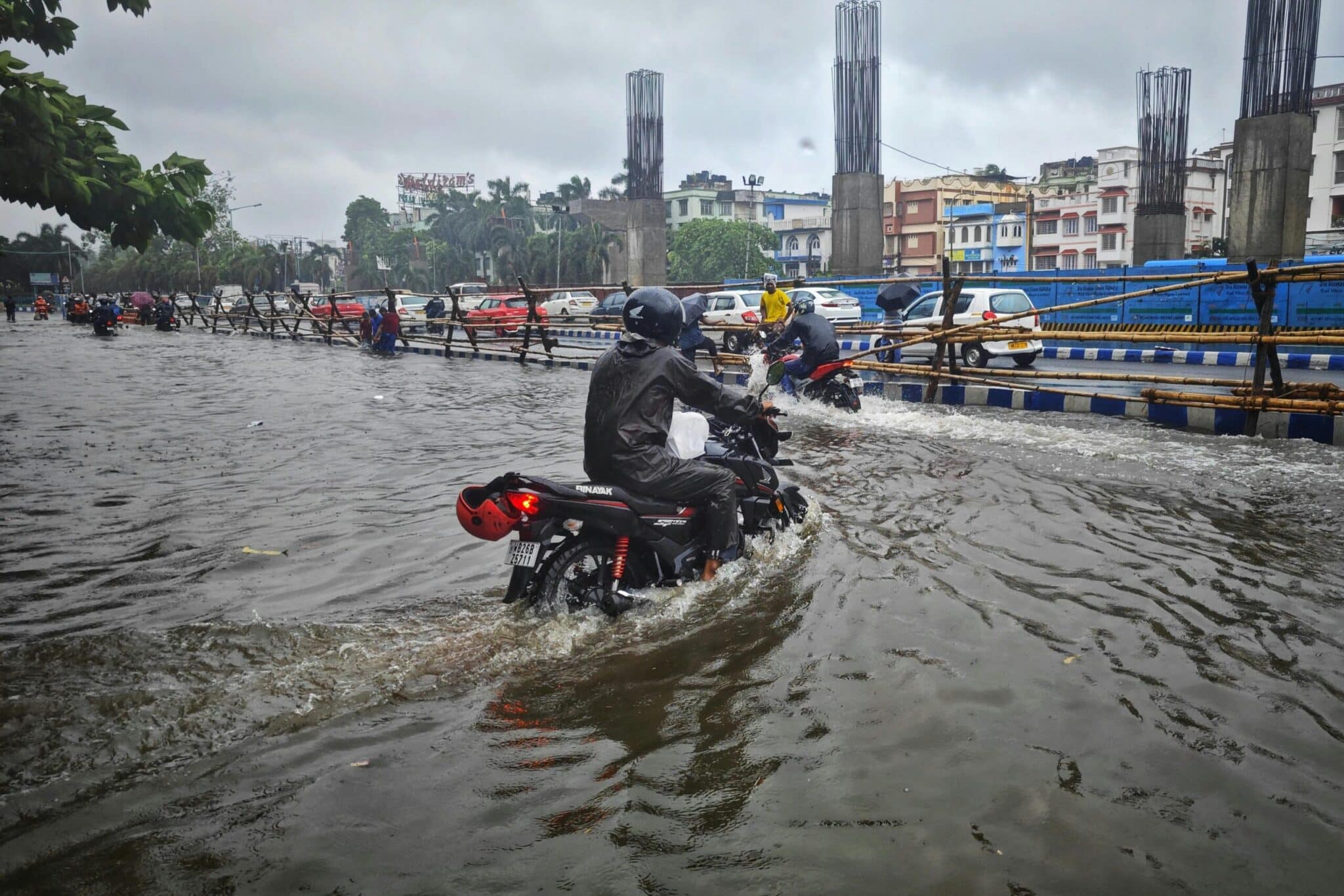
Inland flooding presents equally serious dangers. Hurricanes dump tremendous rainfall over short periods, overwhelming drainage systems and causing rivers to overflow their banks. Six inches of moving water can knock adults off their feet; twelve inches can carry away vehicles.
Never attempt to drive through flooded roads. You cannot accurately judge water depth or road condition beneath the surface. Approximately half of all flood-related drownings occur in vehicles, making this a critical safety rule.
⚡ During the Storm: Critical Safety Protocols
Once the storm arrives, your preparation pays dividends. Stay inside your designated safe space, away from windows and exterior walls. The eye of the hurricane presents particular danger—conditions calm briefly as the center passes, tempting people outside. Resist this urge, as devastating winds resume from the opposite direction within minutes.
Monitor conditions using battery-powered radios or phone apps if cellular service persists. Official emergency broadcasts provide critical updates on storm progression and any new threats.
Avoid using candles for lighting due to fire risk. LED flashlights and lanterns provide safer illumination. If you lose power, open refrigerators and freezers only when absolutely necessary to preserve food longer.
Stay off landline phones except for emergencies—lightning can travel through phone lines. Similarly, avoid plumbing fixtures during electrical storms, as lightning can conduct through pipes.
🏥 Post-Storm Safety and Recovery
The storm’s passage doesn’t signal immediate safety. Post-event hazards claim numerous lives each year. Wait for official all-clear announcements before venturing outside.
Downed power lines are deadly—always assume they’re energized and maintain significant distance. Water conducts electricity, making wet ground near power lines especially dangerous. Report all downed lines to authorities immediately.
Inspect your home carefully for structural damage before full reentry. Look for sagging ceilings, cracked walls, or shifted foundations. If you smell gas, leave immediately and contact the gas company from a safe distance.
Document all damage thoroughly with photographs before beginning cleanup. This documentation is essential for insurance claims and disaster assistance applications.
Be cautious during cleanup. Wear protective clothing including heavy gloves and sturdy boots. Watch for displaced wildlife, especially snakes seeking dry ground. Use generators only outdoors in well-ventilated areas—carbon monoxide kills silently.
🌍 Regional Considerations and Seasonal Patterns
Hurricane vulnerability varies globally. The Atlantic basin, affecting the Caribbean, Gulf of Mexico, and U.S. East Coast, sees peak activity from August through October. The Eastern Pacific affects Mexico’s western coast during similar months.
Western Pacific typhoons threaten Asia year-round, with peak season running May through October. The Indian Ocean generates cyclones in two seasons: April-June and October-December. Australia’s cyclone season spans November through April, their summer months.
Understanding your region’s specific patterns helps you prepare appropriately. Coastal residents should maintain readiness during their area’s active season, while travelers should research conditions at destinations before booking trips.
👨👩👧👦 Special Populations and Unique Needs
Certain groups face heightened risks during severe weather events. Elderly individuals may have mobility limitations requiring additional planning. Arrange for assistance with evacuations and ensure adequate supplies of medications and medical equipment.
People with disabilities need customized plans addressing their specific situations. Those using wheelchairs, requiring oxygen, or depending on electricity for medical devices must arrange alternative power sources or prioritize evacuation to equipped facilities.
Non-native speakers should identify emergency resources in their languages. Many weather services offer multilingual alerts, and community organizations often provide translation assistance during disasters.
Pregnant women, especially those in late pregnancy, should consult healthcare providers about appropriate responses. In some cases, early evacuation to areas with medical facilities may be advisable.
💡 Long-Term Preparedness and Community Resilience
Living in hurricane-prone areas requires ongoing vigilance, not just seasonal scrambling. Maintain emergency supplies year-round, checking expiration dates quarterly and refreshing as needed. Update your emergency plan annually, accounting for family changes or new household members.
Participate in community preparedness initiatives. Neighborhood networks provide mutual support during emergencies, checking on vulnerable residents and sharing resources. Join local emergency response volunteer programs to enhance community resilience.
Consider structural improvements to your property. Impact-resistant windows, reinforced roofing, and proper drainage reduce damage potential. While these upgrades require investment, they pay dividends through reduced insurance premiums and enhanced property values.
Stay informed about climate trends affecting your region. Warming ocean temperatures are intensifying hurricanes, making historical patterns less reliable predictors of future activity. Adapting to changing conditions ensures continued safety as weather patterns evolve.
🔍 Myth-Busting Common Hurricane Misconceptions
Dangerous myths persist about hurricane safety, potentially costing lives. Let’s dispel some common misconceptions with factual information.
Myth: Taping windows prevents breakage. Reality: Tape does nothing to strengthen glass and may create larger, more dangerous shards. Use proper shutters or plywood instead.
Myth: Opening windows equalizes pressure and prevents house explosion. Reality: This increases damage by allowing wind and rain inside. Keep all openings sealed.
Myth: Hiding under highway overpasses provides tornado safety. Reality: These structures create wind tunnels, intensifying danger. Seek proper shelter instead.
Myth: If you survived previous storms without preparing, you’ll be fine again. Reality: Each storm is unique, and luck eventually runs out. Proper preparation is essential every time.
📊 Understanding Your Personal Risk Level
Not all locations face equal hurricane threats. Assess your specific vulnerability by considering multiple factors that determine your risk profile.
Elevation matters tremendously. Living at sea level or below dramatically increases flooding risk compared to higher ground. Even 10-20 feet of elevation provides significant protection from storm surge.
Distance from water is another critical factor. Coastal properties face direct hurricane impacts, while locations 50+ miles inland experience reduced wind speeds and no storm surge, though flooding remains possible.
Building construction affects survival odds. Modern structures built to current hurricane codes withstand storms far better than older buildings constructed before strict standards existed. Mobile homes face extreme vulnerability regardless of age.
Community infrastructure influences recovery speed. Areas with underground utilities restore power faster than those with overhead lines. Well-maintained drainage systems reduce flooding, while inadequate systems exacerbate water accumulation.
🎯 Taking Control of Your Weather Safety
Knowledge transforms fear into confidence. Understanding storm mechanics, recognizing warning signs, and maintaining proper preparation empowers you to protect yourself and loved ones effectively.
Start today by downloading reliable weather tracking applications and familiarizing yourself with their features. Create or update your emergency plan, involving all household members in the discussion. Assemble your emergency kit systematically, perhaps purchasing a few items each week until complete.
Practice your plan through regular drills, especially with children. Familiarity reduces panic when actual emergencies arise. Review and refresh your knowledge annually, as recommendations evolve with new research and technology.
Remember that preparation isn’t paranoia—it’s prudent personal responsibility. The peace of mind that comes from knowing you’re ready for whatever weather brings is invaluable. Your safety and that of your family depend on the actions you take before the storm, not during it.
Severe weather will continue challenging communities worldwide. By staying informed, maintaining readiness, and responding appropriately to warnings, you dramatically improve your odds of weathering any storm safely. Take these lessons seriously, implement them consistently, and share this knowledge with others in your community. Together, we build resilience that protects lives and reduces tragedy when nature unleashes its fury. 🌈
