
Anúncios
# HTML Article:
Imagine measuring any space around you without pulling out a physical tape measure — your smartphone can now do it all with just a few taps and your camera.


Technology has transformed our smartphones into versatile tools that go far beyond calls and texts. Today, your phone can replace traditional measuring tapes, offering precision and convenience right in your pocket. Whether you’re decorating your home, planning furniture placement, or working on a construction project, digital measuring tools have revolutionized how we approach spatial calculations.
The evolution of augmented reality (AR) and advanced camera sensors has made it possible for everyday users to access professional-grade measuring capabilities. No more fumbling with metal tapes or asking someone to hold the other end — your phone does the heavy lifting while you simply point and tap. Let’s explore how this technology works and why it’s becoming an essential tool for professionals and homeowners alike.
📱 How Digital Measuring Apps Actually Work
Digital measuring applications leverage your smartphone’s built-in technology to create accurate measurements. Most modern phones come equipped with depth sensors, gyroscopes, and advanced camera systems that work together to map three-dimensional spaces.
The core technology behind these apps is called augmented reality. When you open a measuring app, it uses your camera to scan the environment and identify surfaces, edges, and distances. The phone’s sensors detect motion and orientation, allowing the app to calculate measurements as you move your device through space.
Apple’s ARKit and Google’s ARCore are the primary frameworks that power these applications. These platforms provide developers with tools to create accurate spatial mapping experiences. When you point your camera at a wall or object, the app places virtual markers in real-world space, then calculates the distance between those points using complex algorithms.
🎯 The Technology Behind the Screen
LiDAR sensors, found in newer iPhone models, take this technology even further. These sensors emit laser pulses that bounce off objects and return to the device, creating detailed depth maps of your surroundings. This results in measurements that can rival traditional tools in terms of accuracy.
Even without LiDAR, standard smartphone cameras can deliver impressive results. Through a process called photogrammetry, apps analyze multiple images from different angles to create three-dimensional models and extract measurements. The software identifies visual patterns and uses trigonometry to calculate distances with surprising precision.
🏠 Practical Applications for Everyday Life
Digital measuring tools have found their way into countless real-world scenarios. Homeowners use them to measure rooms before purchasing furniture, ensuring that new sofa will actually fit through the doorway. Interior designers rely on these apps to create accurate floor plans without dragging physical equipment to every client meeting.
Real estate professionals have embraced this technology for property listings. Instead of manually measuring every room with a tape measure, agents can quickly capture dimensions using their phones, making the documentation process faster and more efficient. This speeds up the listing process and provides potential buyers with accurate information.
DIY enthusiasts and contractors find these apps invaluable for quick estimates and project planning. Whether you’re building a deck, installing shelving, or laying tile, having immediate access to measurements helps you calculate materials and costs on the spot. No more writing measurements on scraps of paper or trying to remember numbers later.
🛋️ Furniture Shopping Made Simple
One of the most popular uses for measuring apps is furniture shopping. We’ve all experienced the disappointment of falling in love with a piece of furniture only to discover it doesn’t fit our space. Digital measuring eliminates this guesswork entirely.
Many apps now integrate with furniture retailers, allowing you to visualize how items will look in your actual space before purchasing. You can measure your room, then place virtual furniture to see exactly how it fits and flows with your existing decor. This combination of measurement and visualization has transformed the shopping experience.

🔧 Choosing the Right Measuring App
The app store landscape is flooded with measuring applications, each offering different features and capabilities. Selecting the right one depends on your specific needs and the type of measurements you’ll be taking most frequently.
Some apps focus on simple point-to-point measurements, ideal for quick distance checks. Others offer comprehensive room scanning that creates detailed floor plans complete with walls, doors, and windows. Professional-grade apps include features like annotation tools, export options for CAD software, and the ability to save and organize multiple projects.
✨ Key Features to Look For
When evaluating measuring apps, consider accuracy as the primary criterion. Look for apps that support your phone’s specific hardware capabilities, especially if you have a device with LiDAR or advanced depth sensors. User reviews often provide insights into real-world accuracy that marketing materials might gloss over.
User interface matters significantly in measuring apps. The best applications make the measurement process intuitive, with clear visual indicators showing where you’ve placed markers and what distances you’re measuring. Complex interfaces can turn a simple task into a frustrating experience, so prioritize apps with clean, straightforward designs.
Additional features can enhance your experience beyond basic measurements:
- Automatic surface detection for faster measurements
- Photo attachment capabilities to document what you measured
- Unit conversion between metric and imperial systems
- History and project management to track multiple measurement sessions
- Export options for sharing measurements via email or messaging apps
- 3D room scanning for complete spatial documentation
- Integration with note-taking or project management apps
📏 Accuracy Compared to Traditional Tools
The question everyone asks: can a smartphone really match a traditional tape measure? The answer is nuanced and depends on several factors including your device, the app you’re using, and the type of measurement you’re taking.
For general home use and casual measurements, modern smartphone apps deliver accuracy within a few millimeters to a centimeter. This level of precision works perfectly for furniture placement, room dimensions, and most DIY projects. When you’re deciding if a bookshelf fits a space, being off by half a centimeter rarely matters.
Professional construction work requiring tolerances of a millimeter or less still demands traditional measuring tools. However, for planning, estimating, and initial measurements, digital tools have become reliable enough that many professionals use them as their first measuring step, reserving precision tools for final verification.
🎯 Factors Affecting Measurement Accuracy
Environmental conditions play a crucial role in measurement accuracy. Poor lighting can confuse the camera sensors, making it difficult for the app to identify surfaces and edges accurately. Similarly, highly reflective or transparent surfaces sometimes confuse AR systems, leading to less reliable measurements.
Your technique matters as much as the technology. Holding your phone steady while taking measurements ensures better results. Many apps include calibration steps before measuring — skipping these can reduce accuracy. Following the app’s guidance for optimal distance from the object and proper lighting conditions dramatically improves results.
Phone hardware creates the upper limit of potential accuracy. Newer devices with dedicated depth sensors and LiDAR technology consistently outperform older models relying solely on camera-based measurements. If measurement accuracy is critical for your work, investing in a phone with advanced sensors makes sense.
🌟 Beyond Basic Measurements
Modern measuring apps have evolved far beyond simple distance calculations. Today’s applications offer sophisticated features that transform your smartphone into a comprehensive spatial analysis tool.
Area and volume calculations happen automatically in many apps. Point out the corners of a room, and the app instantly calculates square footage or cubic volume. This proves invaluable for projects involving flooring, paint, or any material where you need to know coverage areas.
Some advanced applications create detailed floor plans as you measure. Walk through a space with your phone, and the app generates a scaled diagram showing walls, doorways, windows, and room dimensions. These digital floor plans can be exported as PDFs or images, perfect for sharing with contractors or designers.
🏗️ Professional Features
Professionals in architecture, construction, and design benefit from apps offering advanced features like:
- Angle measurements for slopes, corners, and cuts
- Height measurement using reference points
- Level and plumb checking using gyroscope sensors
- Photo documentation with embedded measurement data
- Cloud synchronization across multiple devices
- Collaboration features for team projects
- Integration with professional design software
These capabilities transform smartphones from simple measuring tools into comprehensive documentation systems. A contractor can measure a job site, annotate photos, calculate material needs, and send everything to clients or team members without ever touching a computer.
💡 Tips for Getting the Most Accurate Results
While measuring apps are remarkably capable, following best practices ensures you get the most accurate and consistent results every time you use them.
Always calibrate your app before starting a new measurement session. Most apps include a calibration step where you move your phone in specific patterns to help it understand the space. This takes just seconds but significantly improves accuracy. Think of it as warming up before exercise — essential for optimal performance.
Lighting conditions dramatically affect measurement quality. Natural daylight or bright, even artificial lighting works best. Avoid measuring in dim conditions or environments with harsh shadows that can confuse the camera sensors. If measuring in less-than-ideal lighting, turn on additional lights to help your phone’s camera capture clear images.
🎬 Technique Makes Perfect
Move your phone slowly and deliberately when taking measurements. Rapid movements confuse the sensors and reduce accuracy. Think smooth and steady rather than quick and jerky. The app needs time to process visual information and update its spatial understanding.
Position yourself at an appropriate distance from what you’re measuring. Too close, and the app can’t get perspective; too far, and details become unclear. Most apps work best when you’re positioned about one to three meters from the object or surface you’re measuring.
Use reference points when possible. Many apps allow you to mark known distances, which helps calibrate measurements for the rest of the space. If you know one dimension with certainty, marking it helps the app understand scale and improves accuracy for subsequent measurements.
🚀 The Future of Digital Measuring
The technology behind smartphone measuring apps continues evolving rapidly. Each new generation of phones brings improved sensors, faster processors, and more sophisticated software capabilities that enhance measurement accuracy and functionality.
Artificial intelligence and machine learning are beginning to play larger roles in measurement apps. Smart algorithms can now automatically recognize objects like doors, windows, and furniture, measuring them without manual marker placement. This automation makes the measuring process faster while maintaining accuracy.
Integration with smart home systems represents another frontier. Imagine measuring a space for new shelving, then having your measurements automatically sync with online retailers who show you products that fit your exact dimensions. This seamless connection between measurement and purchasing is already beginning to emerge.
🔮 What’s Coming Next
Augmented reality glasses and wearable technology will eventually replace smartphones as measuring devices. Imagine walking through a space while wearing AR glasses that automatically display measurements overlaid on every surface you look at. This hands-free approach would free professionals to take notes or handle materials while simultaneously capturing spatial data.
Improved sensor technology will continue closing the accuracy gap between digital and traditional tools. As LiDAR and similar technologies become standard across all price points of smartphones, professional-grade measurement accuracy will be available to everyone with a modern phone.
Collaborative measurement tools will enable multiple people to measure and document the same space simultaneously. Team members could work together in real-time, with measurements and annotations appearing instantly on everyone’s devices. This could revolutionize how construction teams and design professionals collaborate on projects.
🎓 Learning Curve and Getting Started
One of the biggest advantages of smartphone measuring apps is their accessibility. Unlike traditional surveying equipment that requires training and experience, most measuring apps are designed for immediate use by anyone.
Most apps include tutorials or guided first-use experiences that walk you through the basics. These interactive introductions typically take just a few minutes and demonstrate the fundamental concepts of placing markers, confirming measurements, and saving your work. Even if you’re not particularly tech-savvy, you’ll likely find these apps surprisingly intuitive.
Practice makes perfect with digital measuring tools. Your first few attempts might feel awkward or produce inconsistent results. This is completely normal — you’re developing muscle memory and learning how to hold your phone optimally. After measuring just a few spaces, the process becomes second nature.
💰 Cost Considerations
The financial aspect of digital measuring deserves consideration, especially when comparing it to traditional tools. A quality tape measure costs between ten and fifty dollars and lasts for years. Many measuring apps are completely free, while premium versions typically cost between three and twenty dollars for a one-time purchase or monthly subscription.
Free versions of measuring apps usually provide basic functionality sufficient for casual users. Limitations might include watermarked exports, restrictions on the number of saved projects, or the absence of advanced features like floor plan generation. For occasional use, these free apps often meet all your needs without spending anything.
Professional users often find paid versions worthwhile due to advanced features and enhanced accuracy. Subscription models typically range from five to fifteen dollars monthly, offering continuous updates, cloud storage, and priority support. Consider the cost against how often you’ll use the app and whether the advanced features justify the expense.
🌍 Environmental Impact and Sustainability
An often overlooked advantage of digital measuring tools is their environmental footprint, or rather, the lack thereof. Traditional measuring tools require manufacturing, shipping, and eventually become waste when they wear out or break. While this impact is relatively small, digital alternatives eliminate it entirely.
The zero-waste aspect appeals to environmentally conscious users. Your phone already exists in your pocket — using it as a measuring tool doesn’t require additional resources, packaging, or shipping. When a new version of an app is released, you simply download an update rather than purchasing and disposing of physical hardware.
This digital approach aligns with broader sustainability trends where multipurpose devices replace specialized single-function tools. The more we can accomplish with existing technology, the less we need to produce, transport, and eventually recycle or dispose of.
🔒 Privacy and Data Considerations
When using camera-based apps that scan your living spaces, privacy becomes a reasonable concern. Understanding how measuring apps handle your data helps you make informed decisions about which applications to trust.
Reputable measuring apps typically process data locally on your device rather than sending images or measurements to external servers. This means your spatial data never leaves your phone unless you explicitly choose to export or share it. Always review an app’s privacy policy before granting camera and storage permissions.
Photo and measurement data saved within apps should be treated like any other sensitive information. If you’re measuring commercial spaces or properties you don’t own, be mindful of what information you’re capturing and how it’s stored. Use apps with password protection or secure folders if you’re documenting sensitive or valuable spaces.
✅ Making the Switch to Digital Measuring
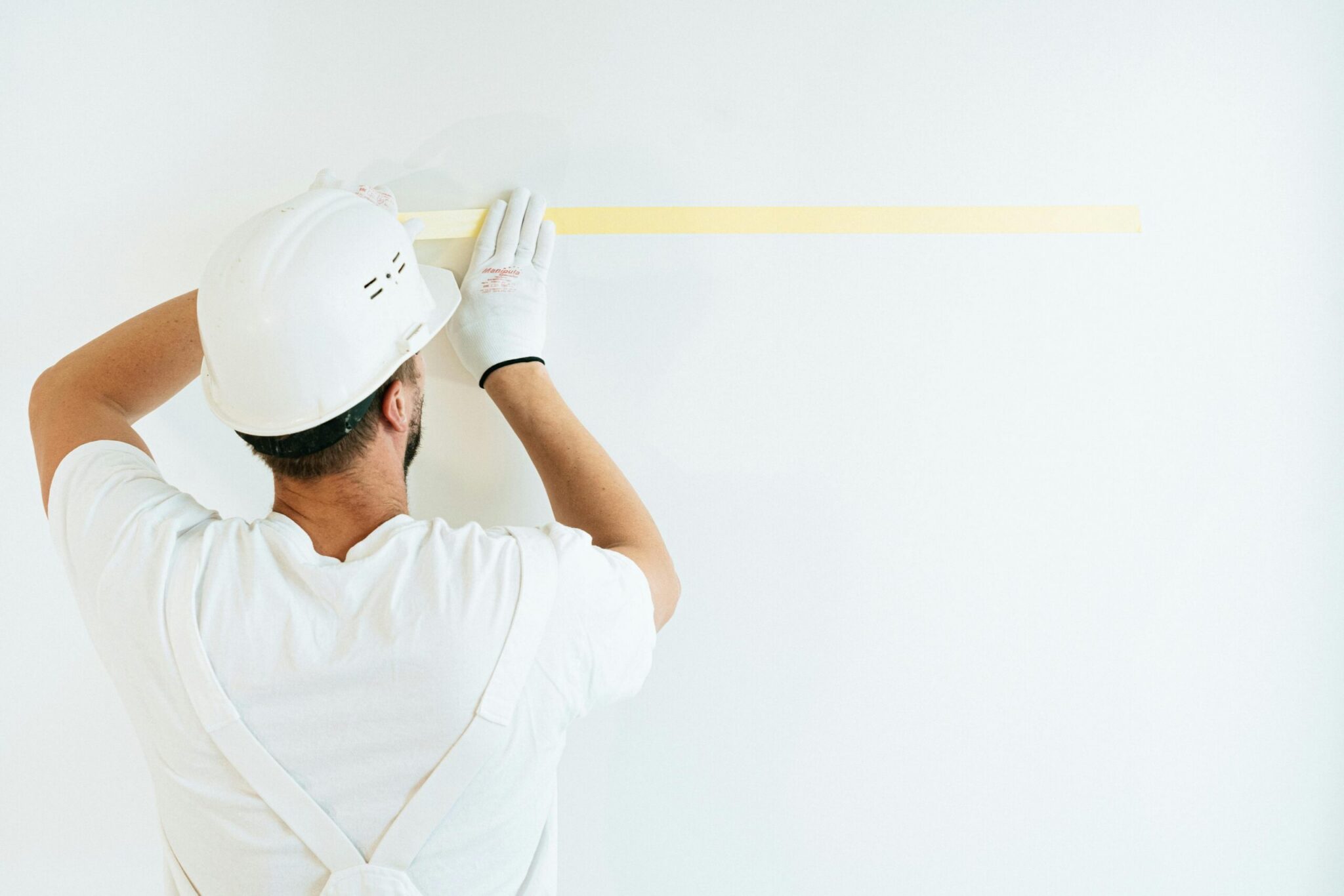
Transitioning from traditional measuring tools to smartphone apps doesn’t mean abandoning physical tape measures entirely. Most professionals and serious DIY enthusiasts maintain both, using digital tools for speed and convenience while keeping traditional measures for verification and precision work.
Start by using your measuring app for low-stakes projects where perfect accuracy isn’t critical. Measure rooms for decoration planning, check if furniture fits spaces, or calculate wall areas for paint. As you build confidence and understand your app’s capabilities, you’ll naturally discover which situations work best for digital versus traditional tools.
The convenience factor often wins people over quickly. Once you experience measuring a room in thirty seconds with your phone versus five minutes with a tape measure, you’ll find yourself reaching for the digital option more frequently. The ability to instantly share measurements with others or save them for later reference adds practical value that traditional tools simply cannot match.
Technology has genuinely transformed how we approach one of humanity’s oldest tasks: measuring our world. What once required specialized tools and skills now happens through devices we already carry everywhere. Whether you’re a homeowner planning renovations, a professional contractor documenting job sites, or simply someone curious about the spaces around you, digital measuring apps offer unprecedented convenience and capability. The future of measurement fits comfortably in your pocket, ready whenever you need it.
