
Anúncios
High blood pressure affects millions globally, yet many remain unaware of their condition until serious complications arise. Taking charge of your cardiovascular health starts with understanding and monitoring your blood pressure consistently.


Your blood pressure readings tell a story about your heart’s workload and vascular health. When you gain complete control over these numbers, you’re not just preventing disease—you’re actively investing in longevity, energy, and quality of life. The journey toward optimal blood pressure management combines lifestyle modifications, consistent monitoring, and informed decision-making.
Modern technology has revolutionized how we track and manage hypertension. Gone are the days of relying solely on sporadic doctor visits for pressure readings. Today’s digital tools empower you to become an active participant in your health journey, providing real-time insights that help you make immediate adjustments to your daily habits.
📊 Understanding Blood Pressure Fundamentals
Blood pressure measures the force exerted by circulating blood against arterial walls. This measurement comprises two numbers: systolic pressure (the top number) represents the force when your heart contracts, while diastolic pressure (the bottom number) reflects the pressure between beats when your heart relaxes.
Normal blood pressure typically falls below 120/80 mmHg. Elevated readings between 120-129 systolic with diastolic below 80 signal a warning zone. Stage 1 hypertension begins at 130-139 systolic or 80-89 diastolic, while Stage 2 hypertension exceeds 140/90 mmHg. Understanding these categories helps you recognize where you stand and what actions to prioritize.
Multiple factors influence your readings throughout the day. Physical activity temporarily elevates pressure, while rest naturally lowers it. Stress, caffeine consumption, medication timing, and even your posture during measurement can create variations. Recognizing these patterns enables smarter management strategies.
🏥 Why Controlling Blood Pressure Matters
Uncontrolled hypertension silently damages organs over time, earning its reputation as “the silent killer.” Your heart works harder when pumping against elevated pressure, leading to thickened cardiac muscle and eventual heart failure. The kidneys, responsible for filtering blood, suffer reduced function when subjected to chronic high pressure.
Your brain’s delicate blood vessels face particular vulnerability. Sustained hypertension increases stroke risk by weakening arterial walls and promoting dangerous clots. Vision problems emerge when retinal blood vessels sustain damage. Even cognitive function declines with poorly managed blood pressure, affecting memory and processing speed.
The encouraging news? Controlling your blood pressure dramatically reduces these risks. Studies consistently show that maintaining healthy readings prevents heart attacks, strokes, kidney disease, and dementia. Every point you lower excessive blood pressure translates to measurable health benefits.
🍎 Dietary Strategies for Pressure Control
Nutrition plays a foundational role in blood pressure management. The DASH (Dietary Approaches to Stop Hypertension) eating plan has demonstrated remarkable effectiveness through emphasis on whole foods, vegetables, fruits, lean proteins, and low-fat dairy while minimizing sodium and processed foods.
Sodium reduction represents perhaps the most impactful dietary change. Most people consume far beyond the recommended 2,300 mg daily limit—ideally reduced to 1,500 mg for those with hypertension. Hidden sodium lurks in restaurant meals, packaged foods, canned soups, and processed meats. Reading labels becomes essential when taking control of your intake.
Potassium-rich foods naturally counterbalance sodium’s effects. Bananas, sweet potatoes, spinach, avocados, and white beans help your body excrete excess sodium while relaxing blood vessel walls. Magnesium from nuts, seeds, and whole grains supports vascular health, while calcium from dairy products contributes to optimal pressure regulation.
Foods That Support Healthy Blood Pressure
- Leafy greens: Spinach, kale, and collards provide nitrates that help dilate blood vessels
- Berries: Blueberries and strawberries contain flavonoids that reduce hypertension risk
- Beets: Rich in nitric oxide, which opens blood vessels and lowers pressure
- Oatmeal: Soluble fiber helps maintain healthy arterial function
- Fatty fish: Salmon and mackerel provide omega-3s that reduce inflammation
- Garlic: Contains allicin, which promotes blood vessel relaxation
- Dark chocolate: Flavonoids in cocoa (70% or higher) support vascular health
- Pomegranates: ACE inhibitory compounds naturally lower pressure
🏃 Physical Activity as Medicine
Regular exercise ranks among the most effective non-pharmaceutical interventions for blood pressure control. Physical activity strengthens your heart, enabling it to pump more efficiently with less effort. This reduced workload directly translates to lower arterial pressure.
Aerobic activities deliver particularly impressive benefits. Brisk walking, swimming, cycling, or dancing for 150 minutes weekly can reduce systolic pressure by 5-8 mmHg—comparable to some medications. The beauty lies in accessibility; you don’t need expensive gym memberships or extreme fitness levels to start.
Resistance training complements cardiovascular exercise beautifully. Weight lifting or bodyweight exercises two to three times weekly build muscle mass, improve metabolism, and contribute to pressure reduction. Flexibility work through yoga or stretching reduces stress hormones that elevate blood pressure.

😌 Managing Stress for Better Numbers
Chronic stress maintains elevated cortisol and adrenaline levels that keep blood pressure higher than necessary. While eliminating all stress remains impossible, developing healthy coping mechanisms makes tremendous difference in your cardiovascular health.
Mindfulness meditation has earned scientific validation for pressure reduction. Just 10-15 minutes daily of focused breathing and present-moment awareness can lower readings by several points. Progressive muscle relaxation, where you systematically tense and release muscle groups, activates your body’s relaxation response.
Quality sleep deserves priority attention. Sleep deprivation elevates stress hormones and disrupts metabolic processes that regulate blood pressure. Aim for seven to nine hours nightly in a cool, dark environment. Establishing consistent sleep and wake times synchronizes your circadian rhythm, supporting healthy pressure patterns.
Stress-Reduction Techniques
- Deep breathing exercises: Activate parasympathetic nervous system responses
- Nature exposure: Time outdoors measurably reduces cortisol levels
- Social connections: Strong relationships buffer against stress impacts
- Creative hobbies: Engaging activities distract from stressors
- Laughter: Genuine humor releases tension and improves vascular function
- Music therapy: Soothing sounds lower heart rate and pressure
📱 Technology-Enabled Monitoring
Consistent blood pressure tracking forms the cornerstone of effective management. Home monitoring reveals patterns invisible during occasional clinical visits, including white coat hypertension (elevated readings in medical settings) and masked hypertension (normal clinic readings despite elevated home measurements).
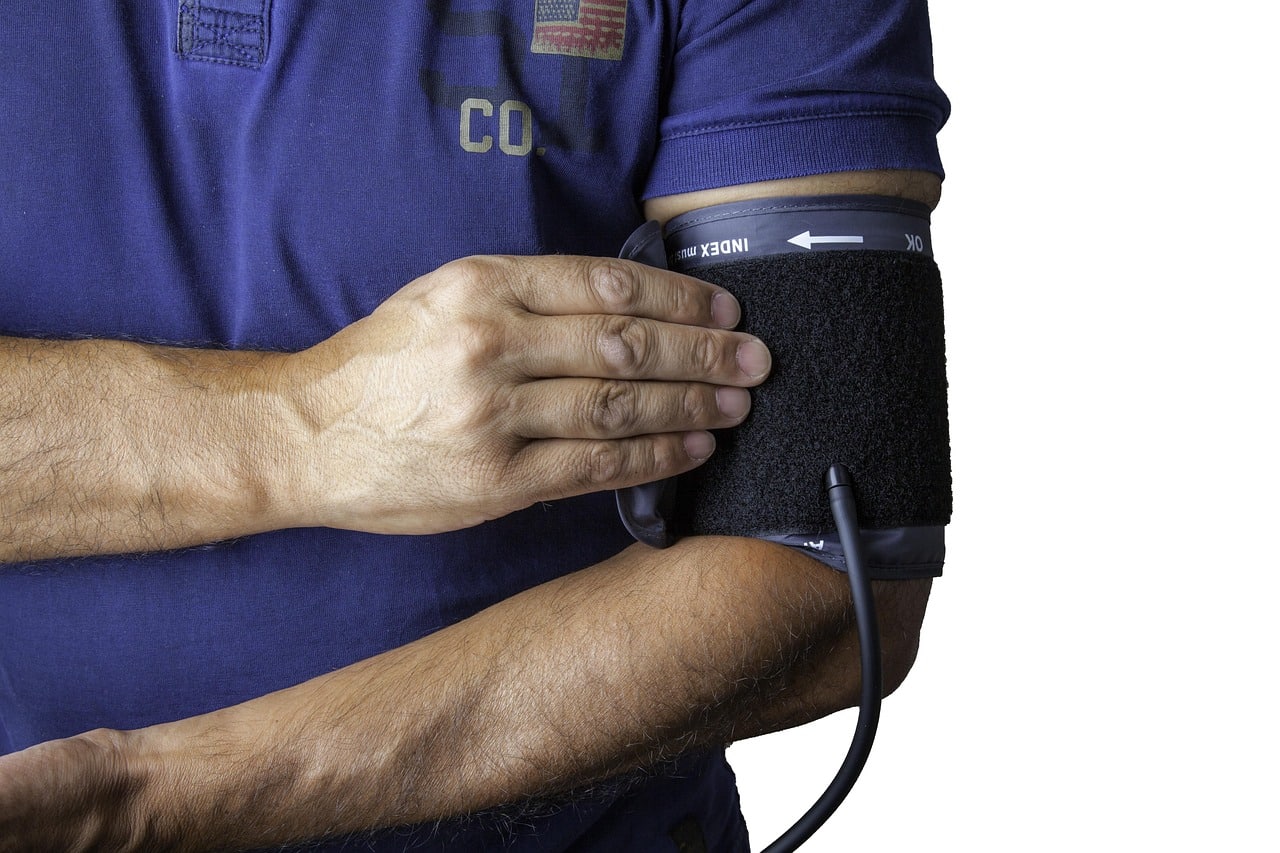
Digital blood pressure monitors have become remarkably accurate and affordable. Upper arm devices generally provide more reliable readings than wrist models. Proper technique matters: sit quietly for five minutes beforehand, support your arm at heart level, and take multiple readings for accuracy.
Smartphone applications transform raw data into actionable insights. Modern blood pressure tracking apps allow you to log readings alongside notes about diet, exercise, medication timing, and stress levels. This comprehensive view helps identify specific triggers and successful interventions.
Advanced apps generate visual charts showing trends over days, weeks, and months. You can share these reports with healthcare providers, facilitating more informed treatment discussions. Some applications even offer reminders for measurements and medications, ensuring consistency in your management routine.
💊 Medication Adherence and Optimization
For many individuals, lifestyle modifications alone may not achieve target blood pressure levels. Antihypertensive medications work through various mechanisms: diuretics eliminate excess sodium and fluid, ACE inhibitors and ARBs relax blood vessels, beta-blockers reduce heart rate and force, calcium channel blockers prevent vessel constriction.
Medication effectiveness depends heavily on consistent use. Missing doses creates blood pressure fluctuations that compromise cardiovascular protection. Setting phone alarms, using pill organizers, or pairing medication with established routines (like morning coffee) improves adherence.
Some people require multiple medications to reach target pressures. This doesn’t indicate failure—it reflects the complexity of blood pressure regulation and individual physiology. Work closely with your healthcare provider to find the combination that controls your pressure with minimal side effects.
🚭 Eliminating Pressure-Raising Habits
Tobacco use inflicts immediate and long-term damage to cardiovascular health. Nicotine temporarily spikes blood pressure while smoking damages arterial linings, accelerating atherosclerosis. Quitting smoking delivers blood pressure benefits within weeks, with cardiovascular risk continuing to decline over subsequent years.
Excessive alcohol consumption elevates blood pressure and interferes with medication effectiveness. Moderate drinking—defined as up to one drink daily for women and two for men—may not significantly impact pressure, but regular heavy drinking certainly does. Reducing alcohol intake often produces noticeable improvements.
Caffeine’s relationship with blood pressure varies individually. Some people experience significant temporary spikes after coffee or energy drinks, while regular consumers develop tolerance. If you’re sensitive to caffeine, limiting intake or switching to decaffeinated alternatives may help stabilize readings.
⚖️ Weight Management Connection
Body weight directly influences blood pressure through multiple pathways. Excess weight increases blood volume and cardiac output while promoting inflammation and insulin resistance—all factors that elevate pressure. Even modest weight loss produces measurable benefits.
Research shows that losing just 5-10% of body weight can reduce systolic pressure by 5-20 mmHg. Each kilogram lost typically correlates with approximately 1 mmHg reduction. These improvements often appear before reaching ideal weight, providing motivation throughout the journey.
Sustainable weight loss comes from creating modest caloric deficits through combined dietary improvements and increased physical activity. Crash diets rarely produce lasting results. Focus instead on developing eating patterns you can maintain long-term while gradually increasing movement throughout your day.
🩺 Working Effectively with Healthcare Providers
Your healthcare team serves as essential partners in blood pressure management. Regular check-ups allow for medication adjustments, complication screening, and strategy refinement. Come prepared with your home monitoring logs, questions about treatment, and honest reports about adherence challenges.
Don’t hesitate to discuss side effects or concerns about prescribed medications. Alternative options often exist when particular drugs cause problems. Your provider needs accurate information to make optimal treatment decisions—transparency serves your health interests.
Understanding your cardiovascular risk profile beyond blood pressure alone helps prioritize interventions. Cholesterol levels, blood sugar, kidney function, and family history collectively determine your heart disease and stroke risk. Comprehensive management addresses all modifiable factors.
🎯 Setting Realistic Goals and Celebrating Progress
Achieving total blood pressure control rarely happens overnight. Setting incremental, measurable goals maintains motivation while preventing overwhelm. Perhaps your first target involves consistently measuring pressure twice daily. Next, you might focus on reducing sodium by 500 mg daily or walking 15 minutes after dinner.
Track multiple metrics beyond blood pressure numbers. Notice improved energy levels, better sleep quality, enhanced mood, and increased physical capabilities. These quality-of-life improvements often precede measurable pressure reductions and deserve recognition.
Setbacks form a natural part of any health journey. A stressful week might temporarily elevate readings. Holiday indulgence could disrupt established patterns. Rather than viewing these as failures, treat them as learning opportunities. What triggered the setback? What strategies might prevent recurrence?
🌟 Building Sustainable Healthy Habits
Long-term blood pressure control requires lifestyle changes you can maintain indefinitely. Extreme restrictions inevitably fail—sustainable habits feel natural and enjoyable. Find physical activities you genuinely enjoy, discover healthy foods that satisfy you, and develop stress management techniques that fit your personality.
Environmental design supports habit formation. Keep a blood pressure monitor in a visible, accessible location. Stock your kitchen with pressure-friendly foods while limiting tempting processed items. Create a bedtime routine that promotes quality sleep. These structural changes reduce the daily willpower required for healthy choices.
Social support amplifies success probability. Share your health goals with family members who can encourage progress. Join online communities of others managing hypertension. Consider involving friends in healthy activities like group walks or cooking clubs focused on nutritious meals.
💪 Taking Ownership of Your Cardiovascular Future
Total control of your blood pressure represents one of the most powerful health investments available. Unlike many conditions, hypertension responds remarkably well to lifestyle modifications and appropriate medical treatment. Your daily choices directly influence your readings and long-term cardiovascular outcomes.
The technology and knowledge now exist to monitor, understand, and manage blood pressure more effectively than ever before. Home monitoring devices provide accurate readings, smartphone applications reveal helpful patterns, and evidence-based interventions deliver predictable benefits.
Your journey toward optimal blood pressure begins with a single measurement, a small dietary change, or a brief walk around the block. Each positive choice builds momentum toward lasting transformation. The investment you make today in blood pressure control pays dividends through reduced disease risk, enhanced vitality, and extended healthy years ahead. Take control now—your future self will thank you.
