
Anúncios
Ever wondered what that beautiful plant in your garden is called? Or why your favorite houseplant keeps drooping despite your best efforts? Modern technology has the answer right in your pocket.


Plant identification apps have revolutionized how we interact with the botanical world around us. What once required extensive knowledge or consultation with experts can now be done instantly with a simple photograph. These innovative applications combine artificial intelligence with massive plant databases to deliver accurate results in seconds.
Beyond mere identification, these apps have evolved into comprehensive plant care companions. They monitor your plant’s health, detect watering issues, diagnose diseases, and provide personalized care schedules. Whether you’re a seasoned gardener or just starting your plant parent journey, these tools make botanical expertise accessible to everyone. 🌿
How Plant Identification Apps Actually Work
The technology behind plant identification apps is fascinatingly sophisticated. When you snap a photo of a plant, the app’s artificial intelligence algorithms analyze thousands of visual characteristics simultaneously. These include leaf shape, edge patterns, venation, color variations, flower structure, and overall growth patterns.
Machine learning models have been trained on millions of plant images from botanical databases worldwide. The system compares your photo against this vast repository, identifying matching patterns and features. Within seconds, it provides not just a name, but often the scientific classification, common names in multiple languages, and detailed information about the species.
What makes these apps particularly impressive is their accuracy improvement over time. Each identification helps refine the algorithm, making future recognitions more precise. Many apps boast accuracy rates exceeding 95% for common plants, with some specialized applications achieving even higher success rates for specific plant families.
Instant Plant Recognition at Your Fingertips 📱
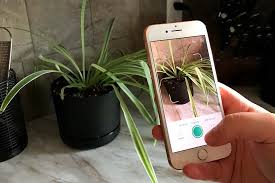
The identification process couldn’t be simpler. Open the app, point your camera at the plant, and capture a clear photo. The app processes the image immediately, often providing results before you’ve even lowered your phone. No complicated settings, no botanical terminology required—just point and shoot.
Most apps allow you to photograph different plant parts for better accuracy. A leaf provides certain clues, while flowers offer additional identifying features. Some advanced apps can even identify plants from bark patterns, fruit, or seeds. The more visual information you provide, the more confident the identification becomes.
The real magic happens when you’re outdoors exploring nature. Encountered an intriguing wildflower on a hiking trail? Curious about that tree with unusual bark in the park? Simply take a photo, and within moments, you’ll know exactly what you’re looking at, along with fascinating facts about its ecology and uses.
Smart Water Management Features That Save Your Plants 💧
One of the most valuable features these apps offer is water management assistance. Overwatering and underwatering are the leading causes of houseplant death, and recognizing the signs requires experience. Plant identification apps have changed this dynamic entirely.
After identifying your plant, the app creates a customized care profile based on the species’ specific needs. It considers factors like native habitat, seasonal variations, and typical indoor conditions. The app then generates a watering schedule tailored to your plant’s requirements, sending reminders when it’s time to water.
But the technology goes further. Many apps now include visual diagnostic tools that analyze photos of your plant to detect water-related stress. Yellowing leaves, drooping stems, brown leaf tips, or wilting foliage—the app examines these symptoms and determines whether you’re watering too much or too little.

Recognizing Overwatering Symptoms
Overwatering is surprisingly common, even among experienced plant owners. The signs can be subtle at first. The app helps you identify yellowing leaves that remain soft and mushy, rather than dry and crispy. It recognizes the telltale signs of root rot, including a foul smell from the soil and blackened, mushy roots visible at the drainage holes.
When you upload a photo showing these symptoms, the app doesn’t just identify the problem—it provides actionable solutions. It might recommend reducing watering frequency, improving drainage, repotting in fresh soil, or adjusting the pot size. Some apps even factor in seasonal changes, reminding you that plants need less water during winter dormancy.
Detecting Underwatering Issues
Underwatered plants exhibit different distress signals. Leaves become crispy and brown at the edges, the soil pulls away from the pot’s sides, and the entire plant may appear wilted despite adequate light. The app’s image analysis identifies these specific patterns and confirms whether thirst is the culprit.
The recommendations go beyond simply “water more.” The app considers whether the soil has become hydrophobic (water-repelling), which requires special soaking techniques. It might suggest adjusting humidity levels, checking root health, or evaluating whether the plant has outgrown its container and needs repotting.
Comprehensive Plant Care Beyond Watering 🌱
While water management is crucial, plant health depends on multiple factors. Modern plant apps function as complete care companions, addressing every aspect of plant wellness. They provide light requirements, explaining whether your plant needs direct sun, bright indirect light, or thrives in shade.
Temperature and humidity recommendations are equally detailed. The app tells you ideal temperature ranges, warns about drafts or heat sources that might stress your plant, and suggests humidity-boosting techniques for tropical species. This holistic approach ensures your plants don’t just survive—they thrive.
Fertilization schedules are another valuable feature. The app knows when your specific plant species needs feeding, what type of fertilizer works best, and the appropriate concentration. It sends reminders during the growing season and alerts you to pause fertilization during dormancy periods.
Disease and Pest Identification Capabilities 🔍
Plant identification apps have expanded their diagnostic capabilities to include disease and pest detection. When you notice unusual spots, discoloration, or visible insects, photograph the affected area and let the app analyze the problem.
The AI can distinguish between fungal infections, bacterial diseases, viral issues, and pest infestations. It identifies specific problems like powdery mildew, spider mites, aphids, scale insects, or nutrient deficiencies. Each diagnosis comes with detailed treatment recommendations, from organic solutions to chemical interventions when necessary.
Early detection makes all the difference in plant health. By catching problems before they become severe, these apps help you save plants that might otherwise be lost. The visual comparison features let you see what healthy plants should look like, making it easier to spot abnormalities early.
Building Your Personal Plant Collection Database 📚
Most plant apps include collection management features that transform your phone into a digital garden journal. After identifying each plant, you can add it to your personal collection with custom names, locations, and photos documenting its growth journey.
This database becomes invaluable over time. You can track which plants thrive in specific locations, record successful propagation attempts, note flowering times, and maintain a history of care adjustments. The app becomes a personalized botanical encyclopedia reflecting your unique growing environment.
Reminders and notifications keep you organized. The app tracks when you last watered, fertilized, or repotted each plant. It sends alerts for upcoming care tasks, ensuring nothing gets neglected. For large collections, this organizational support is genuinely transformative.
Learning Opportunities and Botanical Education 🎓
Beyond practical care advice, these apps serve as educational platforms. Each identification includes fascinating botanical information—the plant’s native habitat, its role in ecosystems, historical uses, cultural significance, and interesting facts that deepen your appreciation.
Many apps feature articles, guides, and tutorials covering gardening techniques, propagation methods, seasonal care tips, and troubleshooting common problems. This educational content transforms casual users into knowledgeable plant enthusiasts, building confidence and skills over time.
Community features in some apps connect you with other plant lovers worldwide. You can ask questions, share successes, seek advice on challenging situations, and participate in identification challenges. This social aspect adds enjoyment and support to your plant care journey.
Choosing the Right Plant Identification App for Your Needs
With numerous plant identification apps available, selecting the right one depends on your specific needs. Consider what features matter most to you. Are you primarily interested in identification accuracy, comprehensive care guides, disease diagnosis, or community interaction?
Some apps specialize in certain plant categories. There are apps focused specifically on succulents, trees, wildflowers, or agricultural crops. Others aim for comprehensive coverage across all plant types. Your primary interests should guide this choice.
Free versus premium versions is another consideration. Many apps offer basic identification for free, with advanced features like unlimited identifications, detailed care plans, and ad-free experiences available through subscription. Evaluate whether the premium features justify the cost based on how frequently you’ll use the app.
Key Features to Look For
- High identification accuracy: Check user reviews and independent tests for accuracy rates
- Comprehensive plant database: Ensure coverage of plants common to your region
- Care reminders and schedules: Automated notifications for watering, fertilizing, and seasonal tasks
- Disease and pest diagnosis: Visual analysis of plant health problems
- Offline functionality: Some apps work without internet connectivity, perfect for remote hiking
- User-friendly interface: Intuitive design that makes features easily accessible
- Regular updates: Ongoing improvements and database expansions
- Multi-language support: Important for accessing plant names in your preferred language
Maximizing Accuracy: Tips for Better Plant Photos 📸
The quality of your photo significantly impacts identification accuracy. Natural lighting works best—photograph plants during daytime rather than using flash, which can distort colors and create harsh shadows. Position yourself so light comes from behind or beside you, illuminating the plant evenly.
Focus on distinctive features. For flowering plants, capture the blooms from multiple angles. For leafy plants, photograph leaves showing both their upper surface and overall arrangement on the stem. Include size context when possible—a common object like a coin helps the app gauge scale.
Take multiple photos from different perspectives. A close-up of the leaf, a mid-range shot showing growth pattern, and a wider view of the entire plant provide complementary information. Many apps allow you to submit multiple images for a single identification, improving accuracy substantially.
Privacy and Data Considerations 🔒
When using plant identification apps, be aware of privacy policies and data usage. Most apps store your photos and location data to improve their algorithms and provide personalized recommendations. Understand what information is collected and how it’s used.
Reputable apps clearly disclose their data practices and offer privacy controls. You should be able to delete your account and associated data if desired. Read reviews regarding privacy concerns before committing to an app, especially premium subscriptions.
Location data can enhance identification accuracy by filtering results to plants common in your geographic area. However, you can typically disable this feature if privacy is a priority, though it may slightly reduce identification precision.
The Future of Plant Care Technology 🚀
Plant identification technology continues evolving rapidly. Emerging features include augmented reality overlays that show care information when you point your camera at plants, integration with smart home systems for automated watering, and advanced sensors that monitor soil conditions in real-time.
Artificial intelligence improvements promise even greater accuracy, especially for rare or unusual species. Future apps may identify plants from partial images, recognize seedlings before they develop distinctive features, and predict potential problems before symptoms appear.
The intersection of plant apps with environmental conservation is particularly exciting. Some applications already contribute identification data to scientific research, helping track plant distributions, monitor invasive species, and document biodiversity. Your casual plant photos might contribute to important ecological studies.
Transforming Your Relationship With Plants 🌺
Plant identification apps do more than provide information—they fundamentally change how we engage with the botanical world. That mysterious plant in your grandmother’s garden? Now you can identify it, propagate it, and continue the tradition. The struggling houseplant you’ve nearly given up on? The app might reveal you’ve been caring for it incorrectly and provide the knowledge to help it flourish.
These tools democratize botanical expertise, making plant knowledge accessible regardless of your background or experience. They encourage curiosity about the natural world, turning everyday encounters with plants into learning opportunities. Children can explore nature with new enthusiasm, and adults rediscover wonder in their surroundings.
For urban dwellers disconnected from nature, these apps provide a gateway to botanical awareness. That tree outside your apartment window has a name, a story, and ecological importance. The weeds growing through sidewalk cracks might be edible, medicinal, or ecologically valuable species deserving appreciation rather than dismissal.
The confidence these apps provide cannot be overstated. Knowing you can instantly identify any plant removes the intimidation many feel about gardening. You’re empowered to experiment with new species, confident that the app will guide you through proper care. This encouragement leads to greener homes, more diverse gardens, and deeper connections with the living world around us.
As plant identification technology becomes more sophisticated and widespread, it promises a future where everyone can engage meaningfully with plants. Whether you’re rescuing a thirsty succulent, identifying a wildflower on a mountain trail, or simply curious about that interesting leaf you spotted, the answer is literally at your fingertips—one photo away. 🌿✨
