
Anúncios
Feeling overwhelmed, irritable, or constantly on edge? It’s time to pause, breathe, and discover how just a few minutes of daily meditation can transform your well-being.


Modern life moves at a relentless pace. Between work deadlines, family responsibilities, social obligations, and the constant ping of notifications, it’s no wonder so many of us feel like we’re running on empty. The stress accumulates silently, manifesting as irritability, exhaustion, and that familiar sense of being completely overloaded.
But here’s the good news: you don’t need a complete life overhaul or an expensive retreat to reclaim your peace of mind. The solution might be simpler than you think—meditation. Just a few intentional minutes each day can create ripples of calm that extend throughout your entire routine, reshaping how you respond to challenges and reconnect with yourself.
🧠 Why Stress Has Become Your Uninvited Companion
Stress isn’t inherently bad. In small doses, it’s actually a survival mechanism that helped our ancestors escape danger. The problem arises when stress becomes chronic—a permanent state rather than a temporary response. And in today’s always-on culture, chronic stress has become the norm rather than the exception.
Your body wasn’t designed to handle constant pressure. When stress hormones like cortisol remain elevated for extended periods, they wreak havoc on your physical and mental health. You might notice difficulty sleeping, frequent headaches, digestive issues, or that short fuse that makes you snap at loved ones over minor inconveniences.
The modern workplace compounds these challenges. Emails that demand immediate responses, back-to-back meetings with no breathing room, and the blurred boundaries between work and home life all contribute to a pressure cooker environment. Add financial worries, relationship dynamics, and global uncertainties into the mix, and you’ve got a perfect storm of stress triggers.
Many people try to push through, believing that resilience means enduring without complaint. But ignoring stress doesn’t make it disappear—it simply allows it to dig deeper roots. The irritability you feel isn’t a personality flaw; it’s your nervous system crying out for relief.
✨ What Meditation Actually Does to Your Brain and Body
Meditation isn’t mystical magic or religious dogma—it’s a scientifically validated practice that creates measurable changes in your brain structure and function. Neuroscientists have documented how regular meditation literally rewires neural pathways, strengthening areas associated with emotional regulation while calming the amygdala, your brain’s alarm system.
When you meditate, you activate your parasympathetic nervous system—the “rest and digest” mode that counteracts the “fight or flight” stress response. Your heart rate slows, blood pressure decreases, and stress hormones begin to normalize. These aren’t subjective feelings; they’re physiological changes that occur within minutes of starting a meditation practice.
Research from institutions like Harvard and Stanford has shown that consistent meditation increases gray matter density in brain regions linked to memory, empathy, and sense of self. It enhances connectivity between different brain areas, improving your ability to focus, make decisions, and regulate emotions effectively.
Perhaps most importantly, meditation creates space between stimulus and response. Instead of reacting impulsively when someone cuts you off in traffic or a colleague sends a frustrating email, you develop the capacity to pause, assess, and choose your response consciously. This single shift can transform your relationships and daily experiences.
🕐 The Beautiful Truth: You Don’t Need Hours
One of the biggest misconceptions about meditation is that it requires extensive time commitments. People imagine Buddhist monks sitting cross-legged for hours, and they immediately think, “I could never do that.” Here’s the liberating truth: you don’t need to.
Scientific studies have demonstrated significant benefits from meditation sessions as brief as five to ten minutes. Some research suggests that even three minutes of focused breathing can lower stress markers and improve mental clarity. The key isn’t duration—it’s consistency and quality of attention.
Think about it this way: you probably spend more time scrolling through social media or waiting for your coffee to brew. Carving out a few minutes for meditation isn’t about finding time you don’t have; it’s about redirecting time you’re already spending on activities that don’t serve your well-being.
Starting small also makes the practice sustainable. Committing to just five minutes daily is far more achievable than promising yourself an hour-long session that never happens. As the habit solidifies, you’ll naturally want to extend your practice—not because you should, but because you genuinely enjoy the benefits.
🌅 How to Start Your Meditation Practice Today
Beginning a meditation practice doesn’t require special equipment, expensive classes, or perfect conditions. You just need willingness and a few basic guidelines to get started on the right foot.
First, choose a consistent time and place. Morning works wonderfully for many people because your mind is typically calmer before the day’s demands pile up. However, lunchtime or evening sessions can be equally effective. The important thing is creating a routine your brain can anticipate and prepare for.
Find a comfortable position where you can remain alert but relaxed. You don’t need to contort into a lotus position—sitting in a chair with your feet flat on the floor works perfectly. The goal is to maintain an upright posture that supports both relaxation and wakefulness.
Start with your breath. Close your eyes gently and bring your attention to the natural rhythm of your breathing. Notice the cool air entering your nostrils, the gentle rise and fall of your chest, and the warm air leaving your body. When your mind wanders (and it absolutely will), simply notice without judgment and guide your attention back to your breath.

📱 Guided Meditation Apps: Your Personal Teacher
If you’re feeling uncertain about where to begin, meditation apps can provide invaluable structure and guidance. Apps like Calm offer expertly crafted sessions for beginners, complete with soothing voices that walk you through each step of the process.
These digital tools remove the guesswork from meditation. You don’t need to wonder if you’re doing it correctly or worry about timing—the app handles those details so you can focus entirely on the practice itself. Many offer specialized programs for specific needs like stress reduction, better sleep, or emotional resilience.
The variety available through apps also prevents monotony. You can explore different meditation styles—from mindfulness and body scans to loving-kindness and visualization techniques—discovering what resonates most deeply with your personality and needs.
💪 Overcoming the Most Common Meditation Obstacles
Let’s address the elephant in the room: meditation can feel challenging at first. Your mind might feel like a hyperactive puppy, jumping from thought to thought. You might feel restless, uncomfortable, or convinced you’re “doing it wrong.” These experiences are completely normal and part of the process.
The wandering mind isn’t a meditation failure—it’s actually the practice itself. Each time you notice your thoughts have drifted and you gently return to your breath, you’re strengthening your attention muscles. Think of it like training at the gym: the repetition builds capacity over time.
Physical discomfort is another common hurdle. If sitting still feels impossible, try shorter sessions or incorporate gentle movement meditation like walking mindfully or doing yoga. The goal is awareness, not enduring discomfort that distracts from the practice.
Many people also struggle with the expectation of immediate dramatic results. Meditation isn’t about achieving a blissed-out state where all problems disappear. It’s about developing a different relationship with your thoughts and emotions—a shift that unfolds gradually through consistent practice.
🌟 The Surprising Benefits You’ll Notice First
While the profound neurological changes happen over weeks and months, many practitioners report noticeable shifts within just days of starting a regular meditation practice. Understanding these early benefits can help sustain your motivation during the initial phase.
Better sleep often appears first. As meditation calms your nervous system and quiets mental chatter, falling asleep becomes easier and sleep quality improves. You might find yourself waking more refreshed, even if total sleep duration hasn’t changed significantly.
Emotional reactivity typically decreases early on. That moment of pause between trigger and response expands, giving you choice where previously there was only automatic reaction. You’ll catch yourself responding with patience instead of irritation in situations that previously would have set you off.
Physical tension often releases as well. Jaw clenching, shoulder tightness, and tension headaches may diminish as your body learns to downregulate stress responses more efficiently. Many people discover they’ve been carrying chronic tension they weren’t even aware of until it begins to release.
Focus and mental clarity improve noticeably. The same attention training that helps you return to your breath during meditation translates to better concentration at work. Tasks that previously felt overwhelming become more manageable as mental fog lifts.
🔄 Building Meditation Into Your Actual Daily Life
The real challenge isn’t learning to meditate—it’s maintaining the practice amid life’s competing demands. Here’s how to weave meditation seamlessly into your existing routine without adding overwhelming complexity.
Stack your meditation habit onto an existing routine. Practice right after brushing your teeth in the morning, or immediately before your lunch break. Linking meditation to an established habit creates a natural trigger that requires less willpower to maintain.
Prepare your space the night before. Leave your meditation cushion or chair ready, perhaps with headphones nearby if you’re using an app. Removing small friction points makes following through much easier when morning arrives.
Track your practice without obsessing over perfection. A simple checkmark on a calendar provides satisfying visual proof of consistency. If you miss a day, don’t spiral into self-criticism—just resume the next day. Meditation is a practice, not a performance.
Consider micro-meditations throughout your day. Waiting for an elevator? Take three conscious breaths. Standing in line at the grocery store? Notice your feet on the ground and the air moving in and out of your lungs. These brief moments of presence compound over time.
🎯 Different Meditation Styles to Explore
Meditation isn’t one-size-fits-all. Understanding various approaches helps you find practices that genuinely resonate rather than forcing yourself through techniques that feel wrong for your temperament.
Mindfulness meditation focuses on present-moment awareness without judgment. You observe thoughts, sensations, and emotions as they arise, acknowledging them without getting caught up in the stories they tell. This approach builds equanimity and reduces suffering caused by resistance to reality.
Loving-kindness meditation cultivates compassion toward yourself and others. You silently repeat phrases like “May I be happy, may I be healthy” before extending those wishes to loved ones, neutral people, and eventually even difficult individuals. This practice softens the heart and reduces interpersonal tension.
Body scan meditation systematically directs attention through different parts of your body, releasing tension and developing somatic awareness. It’s particularly effective for people who live primarily in their heads, reconnecting them with physical sensations often ignored.
Visualization and guided imagery use mental pictures to create specific states or outcomes. You might imagine a peaceful natural setting or visualize yourself handling a challenging situation with grace. These techniques engage different neural networks than breath-focused practices.
🌈 What Your Life Looks Like After Meditation Becomes Routine
After weeks and months of consistent practice, meditation stops being something you do and becomes part of who you are. The changes might be subtle, but their impact on daily life is profound and far-reaching.
You’ll notice increased emotional resilience. Challenges that previously would have derailed your entire day become manageable bumps in the road. You bounce back faster from disappointments and maintain perspective when things don’t go according to plan.
Relationships often improve significantly. The patience and presence you develop on the meditation cushion extend naturally to interactions with family, friends, and colleagues. You listen more deeply, react less defensively, and communicate more clearly.
Decision-making becomes clearer. The mental clutter that clouds judgment quiets down, allowing intuition and wisdom to emerge. You trust yourself more and second-guess less, moving through life with greater confidence and direction.
Paradoxically, you might also become more comfortable with uncertainty. Meditation reveals that control is largely an illusion and that accepting this truth brings more peace than fighting it. You learn to surf waves of change rather than exhaust yourself trying to hold back the tide.
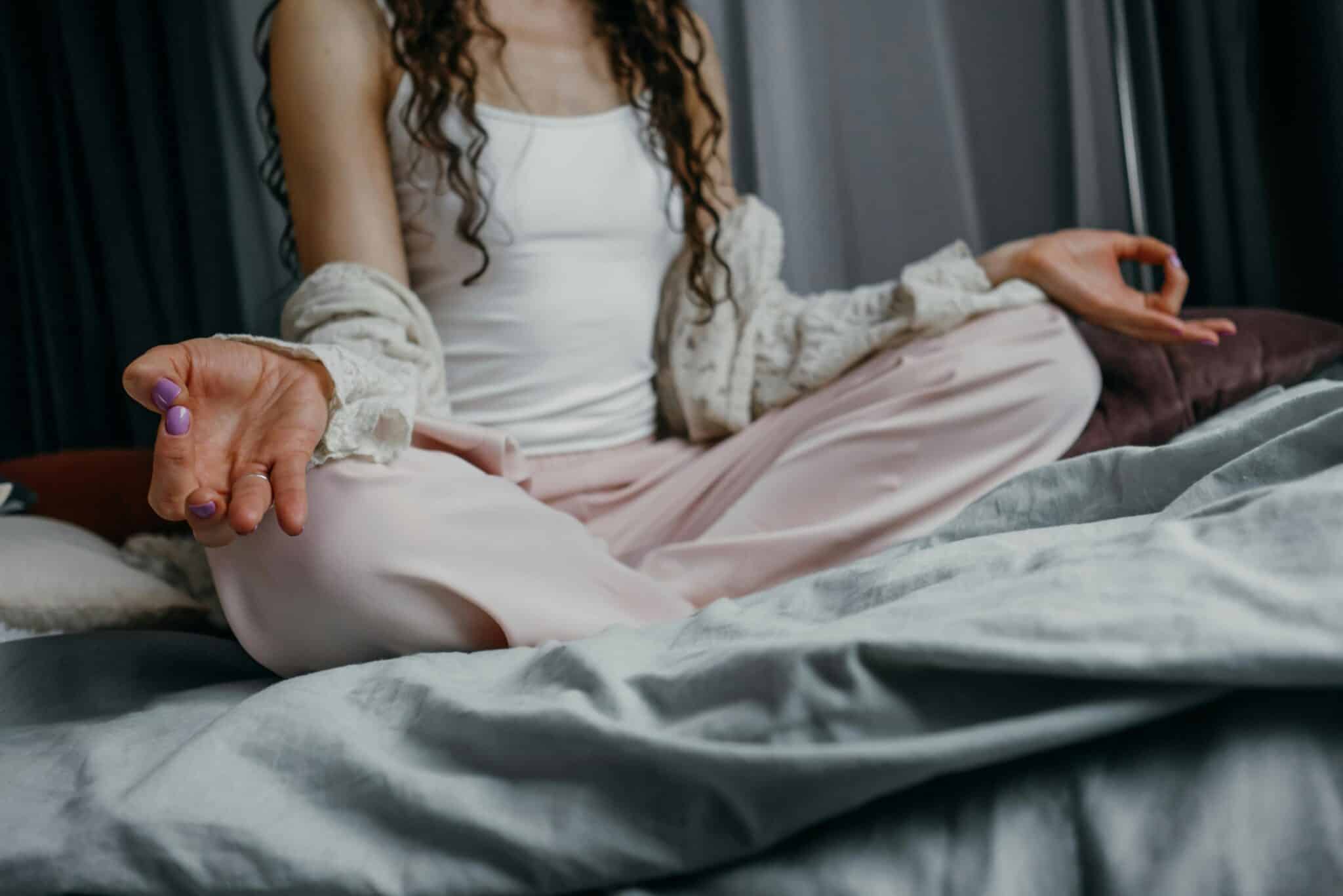
🚀 Your Invitation to Start Right Now
Reading about meditation won’t change your life—practicing it will. Every moment spent in awareness, no matter how brief or imperfect, moves you toward the calm, centered version of yourself waiting to emerge beneath the stress and overwhelm.
You don’t need to become a meditation expert or achieve some idealized state of enlightenment. You just need to show up for yourself, even when it’s inconvenient, even when your mind feels chaotic, even when you’re convinced it’s not working. Trust the process, honor the practice, and watch as those few daily minutes create ripples of transformation throughout your entire existence.
The version of you who feels less stressed, more patient, and genuinely at peace is possible. Not someday in the distant future when conditions are perfect, but starting today, starting now, with just a few intentional breaths and the willingness to begin. Your journey toward inner calm is waiting—will you take that first step? 🧘♀️
