
Anúncios
Learning crochet has never been easier! With free and accessible lessons available online, you can start creating beautiful handmade pieces while keeping your mind active and engaged.


Crochet isn’t just a craft—it’s a therapeutic journey that combines creativity with mindfulness. Whether you’re looking for a new hobby, a way to reduce stress, or simply want to create handmade gifts for loved ones, crochet offers endless possibilities. The rhythmic motion of the hook through yarn creates a meditative experience that calms the mind while producing tangible, beautiful results.
The best part? You don’t need expensive equipment or years of experience to get started. With just a hook, some yarn, and the right guidance, you’ll be creating your first projects in no time. Today’s digital world has made learning crochet more accessible than ever, with countless free resources designed specifically for beginners who want to learn at their own pace. 🧶
Why Crochet Is the Perfect Hobby for Everyone
Crochet stands out as one of the most versatile and rewarding crafts you can learn. Unlike many hobbies that require significant investment or dedicated workspace, crochet is portable, affordable, and adaptable to any lifestyle. You can practice while watching television, sitting in a park, or during your commute on public transportation.
The cognitive benefits of crochet are scientifically proven. Research shows that repetitive crafts like crocheting activate the same areas of the brain as meditation, reducing anxiety and promoting relaxation. The concentration required to follow patterns and count stitches keeps your mind sharp and focused, making it an excellent activity for people of all ages—from teenagers to seniors.
Beyond mental health benefits, crochet offers a sense of accomplishment that’s hard to find in our digital world. Each completed project represents hours of dedication and skill development. Whether it’s a simple dishcloth or an intricate blanket, finishing something you created with your own hands provides unmatched satisfaction. ✨
The Therapeutic Power of Working with Your Hands
In our screen-dominated lives, working with physical materials offers a refreshing change. The tactile experience of yarn sliding through your fingers, the gentle click of the hook, and watching a project grow stitch by stitch creates a connection to the creative process that digital activities simply cannot replicate.
Many crocheters report entering a “flow state” while working on projects—that magical zone where time seems to disappear and worries fade away. This mindful state has been compared to active meditation, providing mental clarity and emotional balance. For those dealing with anxiety, depression, or chronic stress, crochet can become a valuable coping tool that’s always available when needed.
Getting Started: The Essential Basics You Need to Know
Starting your crochet journey requires minimal investment. Unlike other crafts that demand specialized tools and expensive materials, you can begin with just two items: a crochet hook and a ball of yarn. Most beginners start with a medium-weight yarn (often labeled as worsted weight or number 4) and a size H/8 (5mm) hook, which are easy to handle and forgiving of mistakes.
Your first step is understanding the basic chain stitch, which forms the foundation of virtually every crochet project. This simple technique involves creating loops that link together, forming a starting row. From there, you’ll learn fundamental stitches like single crochet, double crochet, and half-double crochet—the building blocks of countless patterns.
Free online tutorials have revolutionized how beginners learn crochet. Video lessons allow you to see exactly how each stitch is formed, pausing and replaying as many times as needed until the technique clicks. Written patterns with photo tutorials provide additional reference points, while mobile apps offer step-by-step guidance that fits in your pocket. 📱
Understanding Crochet Terminology and Abbreviations
Crochet patterns use standardized abbreviations that might seem confusing at first but quickly become second nature. Terms like “ch” (chain), “sc” (single crochet), “dc” (double crochet), and “sl st” (slip stitch) appear in virtually every pattern. Learning these abbreviations early will unlock thousands of free patterns available online.
It’s important to note that US and UK crochet terms differ significantly. What Americans call a “single crochet,” British patterns call a “double crochet.” When following patterns, always check which terminology system is being used to avoid confusion and frustration.

Free Resources That Make Learning Effortless
The internet has transformed crochet education, making expert instruction available to anyone with an internet connection. YouTube hosts thousands of free tutorials covering everything from absolute beginner basics to advanced techniques. Channels dedicated to crochet instruction offer comprehensive video libraries organized by skill level, making it easy to progress systematically.
Specialized crochet apps have emerged as game-changers for learners. These mobile applications provide structured lesson plans, pattern libraries, stitch counters, and progress tracking—all designed specifically for smartphone and tablet use. Many offer offline access, allowing you to practice anywhere without needing an internet connection.
Online crochet communities provide invaluable support for beginners. Forums, Facebook groups, and Reddit communities connect you with experienced crocheters who remember their own learning struggles and are eager to help newcomers succeed. These spaces offer troubleshooting advice, pattern recommendations, and encouragement when projects don’t turn out as expected. 💬
Building Your Skills Progressively
The key to crochet mastery is progressive learning. Start with simple projects like dishcloths or scarves that use basic stitches and straightforward patterns. These beginner-friendly projects build confidence while teaching fundamental techniques. As your comfort level increases, gradually tackle more complex patterns that introduce new stitches and construction methods.
Many free learning platforms structure their content in levels—beginner, intermediate, and advanced—allowing you to self-pace your education. This approach prevents overwhelm while ensuring you master each technique before moving forward. Remember that every expert crocheter started exactly where you are now, and mistakes are simply learning opportunities in disguise.
Your First Projects: Simple Ideas That Look Impressive
Choosing the right first project can make or break your crochet journey. Select patterns that are simple enough to complete successfully but interesting enough to maintain your motivation. A basic scarf using single crochet stitch is perfect for absolute beginners, offering ample practice with fundamental techniques while creating something useful and attractive.
Dishcloths and washcloths are another excellent starting point. These small projects work up quickly, providing the satisfaction of completion without the time commitment of larger items. They’re also forgiving—slight irregularities in tension or stitch count won’t affect functionality, and they make wonderful handmade gifts. 🎁
Granny squares deserve special mention as one of the most beloved beginner projects. These small, square motifs teach you how to work in rounds, create corners, and change colors—skills that will serve you throughout your crochet journey. Once you’ve made several squares, they can be joined together to create blankets, bags, or decorative items.
Moving Beyond Basics: Expanding Your Repertoire
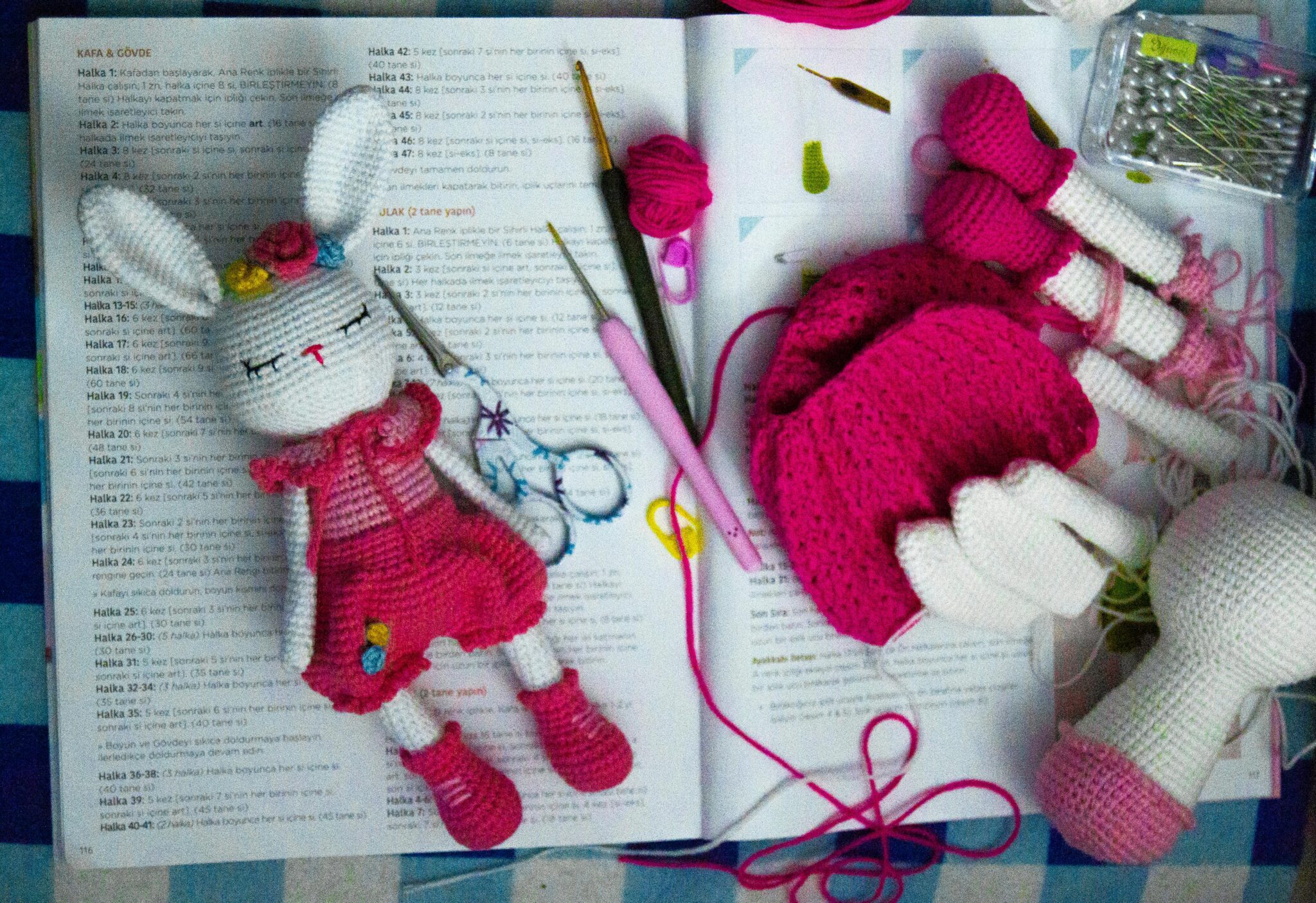
After mastering fundamental stitches with a few simple projects, you’ll naturally want to expand your skills. Amigurumi—the Japanese art of crocheting small, stuffed creatures—has exploded in popularity and offers a fun way to practice working in the round. These adorable creations make perfect gifts and require only basic stitches combined with simple shaping techniques.
Wearable items like hats, headbands, and simple sweaters represent the next level of achievement. These projects introduce concepts like measuring gauge, following sizing instructions, and constructing three-dimensional items that fit the body. While more challenging than flat pieces, wearables showcase your growing skills in ways that flat dishcloths simply cannot.
The Mental Health Benefits of Regular Crocheting
Scientific research has confirmed what crocheters have long known intuitively—this craft offers significant mental health benefits. A study conducted by the British Journal of Occupational Therapy found that 81% of respondents with depression reported feeling happy after crocheting. The repetitive motions trigger the release of serotonin, the brain’s natural anti-depressant.
Crochet serves as a form of productive meditation. Unlike traditional meditation, which some people find challenging, crochet provides a focal point for attention that naturally quiets racing thoughts. The requirement to count stitches and follow patterns keeps your mind engaged just enough to prevent worry and rumination, while the repetitive nature induces relaxation. 🧘♀️
For individuals dealing with chronic pain, crochet can provide distraction and pain management. The concentration required to complete projects shifts focus away from physical discomfort, while the sense of productivity and accomplishment combats the frustration and depression that often accompany chronic conditions.
Building Community Through Shared Creativity
Crochet naturally fosters community connections. Local yarn shops often host regular “stitch and chat” gatherings where crocheters of all skill levels meet to work on projects, share techniques, and socialize. These informal groups combat loneliness and isolation while providing mentorship opportunities for beginners.
Online communities extend these connections globally. Virtual crochet-alongs (CALs) bring together thousands of participants who work on the same pattern simultaneously, sharing progress photos and encouraging one another. This sense of belonging to a creative community enhances the joy of the craft while providing accountability and motivation to complete projects.
Practical Tips for Developing Consistent Practice Habits
Like any skill, crochet improves with regular practice. However, consistency doesn’t require hours of daily dedication. Even 15-20 minutes of daily practice will steadily develop your skills and muscle memory. The key is making crochet a regular part of your routine rather than treating it as an occasional activity.
Keep a small project in progress that you can grab during spare moments—while waiting for appointments, during lunch breaks, or in the evening while unwinding. Portable projects ensure you always have something to work on, transforming previously wasted time into productive creativity. This approach makes crochet fit naturally into your life rather than requiring special scheduling. ⏰
Set realistic goals that maintain motivation without creating pressure. Commit to completing one row per day, or dedicate specific days to longer crochet sessions. Celebrate milestones like finishing your first project, mastering a challenging stitch, or using up an entire skein of yarn. These small celebrations reinforce positive associations with the craft.
Overcoming Common Beginner Challenges
Every new crocheter faces similar obstacles. Tension issues—holding yarn either too tightly or too loosely—affect stitch consistency and can make projects look uneven. The solution is simply practice and patience. Your hands will naturally find the right tension as muscle memory develops over your first few projects.
Counting stitches can feel tedious but prevents the frustration of rows that inexplicably gain or lose stitches. Use stitch markers to mark the first and last stitch of each row, making counting easier and catching mistakes before they multiply. Remember that everyone loses count occasionally—even experienced crocheters—so don’t let this discourage you.
If a project isn’t turning out as expected, don’t hesitate to pull out stitches (called “frogging” in crochet terminology, because you “rip it, rip it”). This isn’t failure—it’s an essential part of learning. Each time you redo work, you’re reinforcing proper technique and building skills that will prevent similar mistakes in the future. 🐸
Transforming Hobby Into Functional Creativity
One of crochet’s greatest appeals is its practicality. Unlike many hobbies that produce items with limited utility, crochet creates functional objects that enhance daily life. Handmade blankets provide warmth and comfort while showcasing your creative skills. Kitchen items like potholders and dishcloths combine utility with personal style.
Crocheted items make thoughtful, personalized gifts that demonstrate genuine care and effort. A handmade baby blanket for a new parent, a cozy scarf for a friend, or a market bag for an environmentally conscious loved one shows consideration that purchased gifts rarely match. The time invested in creating these items becomes part of the gift’s value.
As your skills develop, you might discover opportunities to sell your creations. Online marketplaces like Etsy connect handmade artisans with customers seeking unique, quality items. While turning crochet into a business requires different considerations than crafting for pleasure, many crocheters find joy in sharing their work with a broader audience while earning income from their passion. 💰
Exploring Different Crochet Styles and Techniques
Traditional crochet represents just the beginning of what’s possible with hook and yarn. Tunisian crochet uses an elongated hook to create fabric with a texture between traditional crochet and knitting. This technique opens entirely new pattern possibilities and produces particularly warm, dense fabric perfect for cold-weather accessories.
Tapestry crochet involves working with multiple yarn colors to create intricate geometric patterns and images. This advanced technique requires practice but produces stunning results that resemble woven textiles. Similarly, filet crochet creates lacy, delicate patterns perfect for doilies, curtains, and decorative elements.
Creating Your Personal Crochet Space and Organization
While crochet doesn’t require dedicated workspace, organizing your supplies makes the craft more enjoyable. A simple basket or tote bag keeps current projects, hooks, and yarn together, making it easy to grab and go. This portability means you can crochet anywhere—in your favorite chair, at the park, or while traveling.
As your yarn collection grows (and it will—yarn accumulation is a universal crocheter experience!), simple organization systems prevent chaos. Clear plastic bins allow you to see your stash at a glance, while organizing by color or weight helps with project planning. Many crocheters find that organizing their supplies becomes an enjoyable part of the hobby itself. 🧺
Good lighting makes a significant difference in crochet comfort, especially when working with dark-colored yarns or intricate patterns. A dedicated craft light prevents eye strain during evening crochet sessions, while natural daylight remains ideal for color-accurate work and extended crafting periods.
Embracing the Journey: Patience and Progress
Learning crochet is a journey, not a destination. Your first projects won’t be perfect, and that’s completely normal. Every crocheter has created wonky scarves that mysteriously change width, or squares that aren’t quite square. These “learning opportunities” are valuable stepping stones toward mastery, not failures to be hidden away.
Comparing your work to experts on social media can be discouraging, but remember that you’re seeing their best work after years of practice. Focus instead on comparing your current projects to your earlier attempts. That visible progress—smoother tension, more even stitches, better finished edges—represents real skill development worth celebrating. 🌟
The crochet community embraces all skill levels with remarkable generosity. Don’t hesitate to ask questions, share your work, or request help troubleshooting problems. Experienced crocheters genuinely want newcomers to succeed and find joy in the craft, creating a supportive environment rarely found in other hobbies.
Free Your Mind While Your Hands Create
Perhaps crochet’s greatest gift is its ability to occupy your hands while freeing your mind. In our constantly connected world, finding activities that promote genuine relaxation becomes increasingly valuable. Crochet provides an escape from screens, notifications, and digital demands, creating space for mental rest and creative expression.
The rhythmic, repetitive nature of crochet induces a calming brain state similar to meditation, but more accessible for people who find traditional meditation challenging. Your hands stay busy while your mind either focuses completely on the pattern or drifts freely, processing thoughts and emotions without the pressure of forced productivity.
Starting your crochet journey today means investing in a skill that will provide lifelong benefits—creative expression, stress relief, mental stimulation, and the joy of creating beautiful, functional items with your own hands. With countless free resources available and a welcoming global community ready to support you, there’s never been a better time to learn this rewarding craft. Pick up a hook, choose some yarn, and discover why millions of people worldwide have fallen in love with crochet. Your first stitch is just the beginning of an amazing creative adventure! 🎨✨
