
Learning English is no longer a privilege of youth—it’s a journey open to anyone, at any age, ready to take the first step today.


For decades, the myth persisted that only children could master a new language effortlessly. Science and real-world success stories have dismantled this belief completely. Adults bring unique advantages to language learning: life experience, discipline, clear motivation, and cognitive strategies that children simply don’t possess yet.
Whether you’re 25, 45, or 70, your brain remains remarkably adaptable. The key isn’t age—it’s approach, consistency, and choosing methods that fit your lifestyle. Let’s explore why learning English is accessible at any stage of life and how you can start today with simple, proven strategies. 🌍
Why Age Is Just a Number in Language Learning
The human brain possesses neuroplasticity throughout life, meaning it continuously forms new neural connections regardless of age. While children may absorb pronunciation more naturally, adults excel in understanding grammar patterns, cultural context, and applying logical reasoning to language structures.
Research from MIT and Harvard shows that adults can achieve fluency comparable to native speakers when they engage consistently with the language. The difference lies not in capability but in learning environment and dedication. Adults often have clearer goals—career advancement, travel, connecting with family—which fuels stronger motivation than a child’s classroom requirement.
Many successful polyglots began their language journeys after 30, 40, or even 50. Their secret? They abandoned perfectionism and embraced progress over perfection. They understood that making mistakes is essential to learning, and they structured their practice around real-world use rather than textbook theory alone.
Breaking Down the Mental Barriers
The biggest obstacle for adult learners isn’t cognitive—it’s psychological. Fear of embarrassment, perfectionist tendencies, and comparing yourself to younger learners create unnecessary stress that hinders progress.
Remember that every fluent speaker was once a beginner. Native speakers appreciate effort far more than perfection. When you mispronounce a word or use incorrect grammar, you’re not failing—you’re actively learning. Each mistake teaches your brain what to adjust next time.
Another common barrier is the belief that you need hours of daily study. This misconception stops people before they start. In reality, 15-20 minutes of focused, daily practice beats sporadic three-hour weekend sessions. Consistency trumps intensity every time. ⏰
Reframing Your Relationship With Mistakes
Children learn languages effortlessly partly because they don’t fear mistakes. They babble, experiment, and receive gentle corrections without judgment. Adults must consciously recreate this mindset.
View every error as data. When someone corrects your English, they’re giving you free, personalized instruction. That correction just saved you from repeating the same mistake for years. Embrace feedback as the valuable resource it is.
Simple Methods That Work for Busy Adults
You don’t need expensive courses or years of classroom time. Modern technology and strategic approaches make English accessible during your existing daily routine.
Start by incorporating English into activities you already do. Listen to podcasts during your commute. Change your phone’s language settings. Watch shows with English subtitles. These small shifts create hundreds of hours of exposure annually without adding extra time to your schedule.
The Power of Micro-Learning Sessions
Your brain consolidates learning during rest periods between study sessions. Five 15-minute sessions throughout the week produce better retention than one 75-minute marathon. This works perfectly for adults balancing work, family, and other responsibilities.
Use waiting time productively. Practice vocabulary while waiting for appointments. Listen to English music during household chores. Review phrases while cooking. These micro-moments accumulate into significant progress over months.

Building a Practical Daily Routine
Structure creates success. Design a minimal viable routine you can maintain even during busy weeks. Here’s a simple framework that requires just 20 minutes daily:
- Morning (5 minutes): Review 10 new vocabulary words with a flashcard app while having coffee
- Midday (5 minutes): Read one short news article in English on your phone
- Evening (10 minutes): Practice speaking by describing your day aloud or using a language exchange app
This routine touches reading, vocabulary, and speaking daily. As it becomes habit, you’ll naturally extend these sessions because you’ll enjoy the progress you’re seeing.
Choosing the Right Resources for Your Learning Style
Not everyone learns the same way. Some people thrive with structured courses, while others prefer immersive, unstructured exposure. Identify your preferences and build your approach accordingly.
Visual learners benefit from video content, infographics, and written materials. Auditory learners excel with podcasts, audiobooks, and conversation practice. Kinesthetic learners need interactive exercises, writing practice, and physical movement combined with learning.
Most people combine multiple styles. Experiment with different resources during your first month to discover what keeps you engaged and motivated. Engagement matters more than the “perfect” method—the best approach is the one you’ll actually use consistently. 📚
Free and Low-Cost Tools That Deliver Results
You don’t need expensive software. Numerous free resources provide exceptional value:
- Language apps: Gamified learning that fits in your pocket and tracks your progress
- YouTube channels: Thousands of free English lessons covering every proficiency level and interest
- Podcast platforms: Learn through storytelling, interviews, and educational content designed for learners
- Language exchange apps: Connect with native English speakers learning your language for mutual practice
- Free online libraries: Access graded readers and books specifically written for English learners
Invest money only after you’ve established a consistent habit with free resources. Premium features add value, but they can’t replace consistent practice with basic tools.
Setting Realistic Milestones and Celebrating Progress
Fluency doesn’t happen overnight, but noticeable progress begins within weeks. Set specific, measurable goals that motivate rather than overwhelm you.
Instead of vague goals like “become fluent,” target concrete achievements: “Hold a 5-minute conversation about my hobbies,” “Understand 70% of a podcast episode,” or “Read a children’s book without translating every word.”
Track your progress visibly. Keep a journal noting new words learned, concepts mastered, or conversations successfully navigated. Reviewing this record during difficult moments reminds you how far you’ve come and renews motivation. 🎯
Understanding the Language Learning Timeline
Different proficiency levels require different time investments. Here’s a realistic timeline with consistent daily practice:
| Proficiency Level | Approximate Time | What You Can Do |
|---|---|---|
| Basic Conversational | 3-6 months | Handle everyday situations, ask/answer simple questions |
| Intermediate | 6-12 months | Discuss familiar topics, understand main points of clear speech |
| Upper Intermediate | 1-2 years | Express opinions, understand most TV shows, read newspapers |
| Advanced | 2-4 years | Use language flexibly, understand subtle meanings, write complex texts |
These timelines assume 30-60 minutes of daily practice. More intensive study accelerates progress, while less frequent practice extends the timeline. The important part is starting and maintaining consistency.
Overcoming Common Challenges Adult Learners Face
Every learner encounters obstacles. Recognizing common challenges helps you prepare strategies instead of feeling defeated when they appear.
Time constraints: This is the most cited barrier. The solution isn’t finding more time—it’s using existing time differently. Replace passive scrolling with active learning. Listen to English content instead of music occasionally. Small substitutions create learning time without sacrificing sleep or responsibilities.
Motivation fluctuations: Enthusiasm naturally ebbs and flows. Build systems that work even when motivation is low. Pre-decide your daily minimum practice—something so small you’ll do it even on terrible days. Five minutes counts. Showing up matters more than the session length.
Plateau periods: After initial rapid progress, you’ll hit periods where improvement feels invisible. This is normal and doesn’t mean you’ve stopped learning. Your brain is consolidating complex patterns. Continue practicing consistently, and you’ll suddenly notice you’ve broken through to a new level. 🚀
The Social Component of Language Learning
Isolation makes language learning harder than necessary. Humans are social creatures, and we learn languages best through interaction and community support.
Find learning partners at your level. Join online communities where learners share resources, celebrate wins, and encourage each other through difficulties. Accountability partners help you maintain consistency when personal motivation wavers.
Don’t wait until you’re “ready” to speak with native speakers. Start conversations early, even if they’re simple. Most native speakers admire the effort and will adjust their speech to help you understand. These real interactions accelerate learning far beyond solitary study.
Practical Speaking Strategies When You’re Self-Conscious
Speaking creates the most anxiety for adult learners. You can read and write privately, but speaking requires real-time performance with an audience. This vulnerability feels risky.
Start by speaking to yourself. Narrate your activities in English while alone. Describe what you see during walks. This builds fluency without social pressure. Record yourself occasionally to track pronunciation improvement over time.
Use voice messaging features in language exchange apps before attempting live conversation. This gives you time to think while still practicing speaking. Gradually increase the difficulty as your confidence grows.
When you do speak with others, prepare key phrases beforehand. Have polite ways to ask for repetition, clarification, or slower speech. These tools reduce anxiety because you know you can handle misunderstandings gracefully. 💬
How Your Professional Life Benefits From English Skills
English proficiency opens career doors regardless of your industry. It’s the global business language, spoken in international meetings, written in technical documentation, and required for advancement in countless fields.
Professionals with English skills access broader job markets, higher salaries, and international opportunities. You can participate in global conferences, read industry research published primarily in English, and collaborate with international teams.
Even if your current role doesn’t require English, developing this skill prepares you for unexpected opportunities. Career paths shift unpredictably, and English proficiency ensures you’re ready when opportunities arise.
Making English Learning Enjoyable Rather Than Burdensome
Learning feels sustainable only when it’s enjoyable. If studying English feels like punishment, you won’t maintain it long-term. Build pleasure into your practice.
Choose content you genuinely enjoy. Love cooking? Watch English cooking shows. Interested in history? Listen to history podcasts. Passionate about fitness? Follow English-speaking fitness influencers. When content interests you, language learning happens almost accidentally while you’re engaged with the topic.
Reward yourself for consistency milestones. After 30 consecutive days of practice, treat yourself to something special. These rewards create positive associations with your learning habit. ✨
Incorporating English Into Your Hobbies
Every hobby has an English-speaking community online. Join forums, follow social media accounts, or watch YouTube channels related to your interests—all in English.
This approach provides context-rich vocabulary relevant to topics you care about. You’ll naturally learn specialized terms while engaging with content you’d consume anyway. The difference is you’re now consuming it in your target language.
Why Starting Today Matters More Than Starting Perfectly
Many people delay beginning because they want ideal conditions: more time, better resources, or perfect motivation. These conditions rarely align naturally. You must start imperfectly and improve along the way.
Every day you postpone is a day of potential progress lost. The compound effect of daily practice means starting today versus next month creates a significant difference six months from now. Time will pass regardless—you might as well spend it moving toward your goal.
Your first attempts will be clumsy. Your pronunciation will need work. Your grammar will contain errors. This is not failure—this is exactly what learning looks like for everyone at the beginning. Accept imperfection as the necessary price of progress.
Take one small action right now. Download a language app. Watch a five-minute English lesson on YouTube. Write three English sentences in a notebook. The specific action matters less than breaking inertia and beginning. 🌟
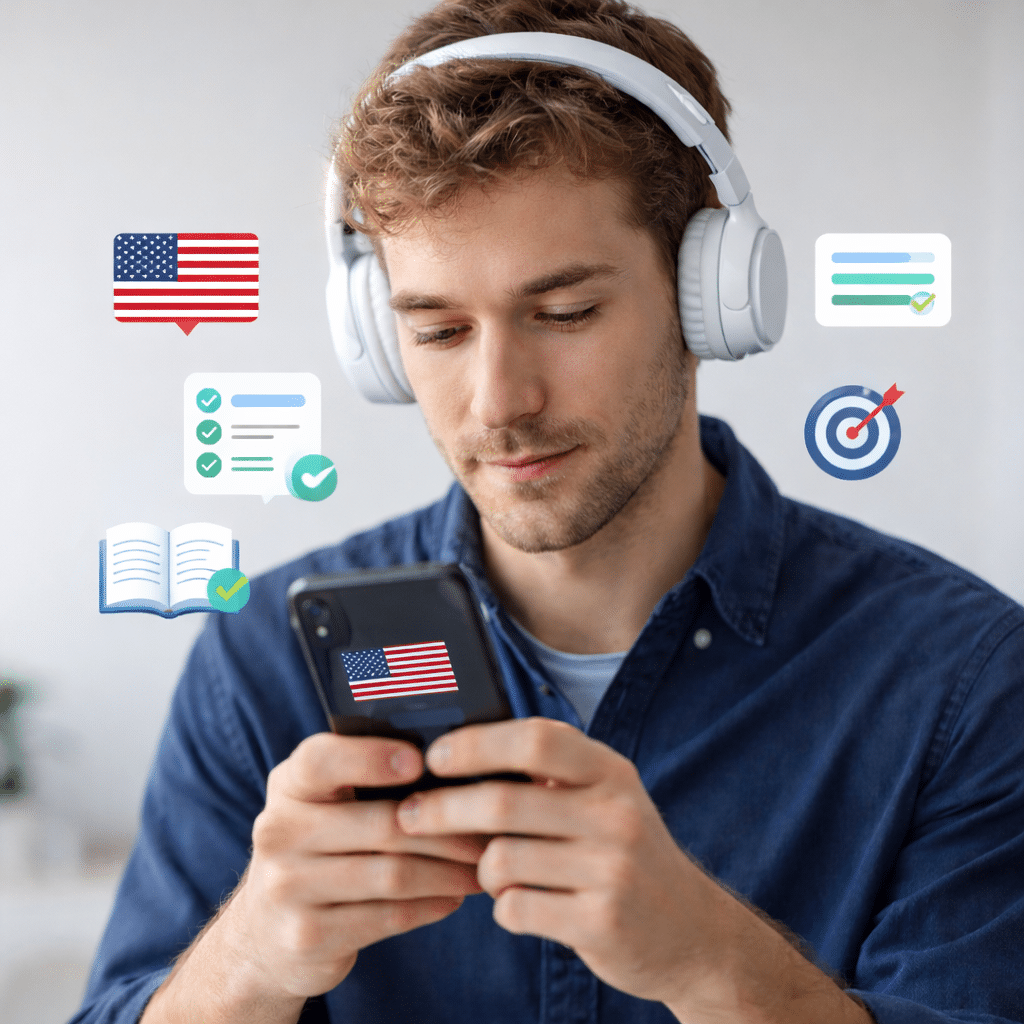
Your English Journey Starts With a Single Word
Learning English at any age is not only possible—it’s being done successfully by millions of adults worldwide right now. The combination of modern resources, flexible methods, and proven strategies makes language learning more accessible than ever before.
Your age brings advantages: motivation, discipline, life experience, and clear reasons for learning. You don’t need to compete with children or achieve perfection. You simply need to start, practice consistently, and trust the process.
The journey ahead will challenge you, surprise you, and ultimately transform how you connect with the world. English opens conversations, cultures, career opportunities, and personal growth that remain inaccessible without it.
Stop waiting for perfect conditions. They won’t come. Start today with whatever time and resources you have available. Your future self—the one confidently speaking English—will thank you for beginning right now. The world is waiting to hear what you have to say. 🌏
