
Learning massage techniques can transform how you manage daily stress, offering a natural path to deep relaxation and renewed vitality through the healing power of touch.


In our fast-paced modern world, the weight of daily responsibilities creates physical and emotional tension that accumulates in our bodies. Muscle tightness, headaches, and exhaustion become unwelcome companions. Yet within your own hands lies an ancient remedy—the art of massage, a skill anyone can develop to bring comfort to themselves and loved ones.
Whether you’re seeking relief from work-related stress, hoping to support family members with chronic tension, or simply curious about holistic wellness practices, learning massage techniques opens doors to profound benefits. This comprehensive guide will walk you through essential methods, professional tips, and practical applications that make therapeutic touch accessible to everyone. 🌿
Why Learning Massage Techniques Matters for Your Wellbeing
The human body responds instinctively to touch. When stress hormones flood our system, muscles contract defensively, creating patterns of tension that affect everything from sleep quality to emotional balance. Professional massage therapy has documented benefits, but scheduling appointments and managing costs can be challenging.
By developing your own massage skills, you gain immediate access to stress relief whenever needed. Studies show that even simple self-massage techniques can lower cortisol levels by up to 31% while increasing serotonin and dopamine—our natural mood elevators. This isn’t just about feeling good temporarily; it’s about building sustainable wellness practices.
Beyond personal benefits, these skills strengthen relationships. Partners who exchange massages report higher satisfaction and emotional connection. Parents who learn pediatric massage techniques help children sleep better and manage anxiety. The ripple effects touch every aspect of daily life.
Understanding the Fundamentals of Relaxation Massage 💆
Before diving into specific techniques, grasping the underlying principles ensures your practice remains safe and effective. Relaxation massage differs from deep tissue or sports massage—the goal is calming the nervous system rather than addressing specific injuries.
Your approach should emphasize gentle, flowing movements that encourage the body’s natural relaxation response. Pressure should be firm enough to feel intentional but never painful. Communication is essential; even when practicing self-massage, listening to your body’s signals prevents overstimulation.
The Science Behind Touch and Stress Relief
When applied correctly, massage activates the parasympathetic nervous system—your body’s “rest and digest” mode. This biological shift slows heart rate, deepens breathing, and signals to your brain that it’s safe to release defensive tension patterns.
Research from the Touch Research Institute demonstrates that moderate pressure massage stimulates vagal activity, which regulates stress hormones. This explains why even 15 minutes of focused touch can shift your entire emotional state, transforming anxiety into tranquility.
Essential Techniques Every Beginner Should Master
Starting your massage education with foundational strokes builds confidence and competence. These core techniques form the backbone of virtually every relaxation session, whether you’re working on yourself or others.
Effleurage: The Foundation Stroke
This French term describes long, gliding movements performed with flat hands and gentle pressure. Effleurage warms tissues, spreads massage oil, and establishes initial contact. Begin every massage session with these sweeping strokes, moving in the direction of blood flow toward the heart.
For shoulders and neck, start at the base of the skull and glide downward with both palms, maintaining consistent pressure. This simple motion alone can release surface tension accumulated from hours at a computer. Repeat 8-10 times, gradually increasing pressure as muscles warm.
Petrissage: Kneading Away Deeper Tension
Once tissues are warmed, petrissage techniques lift and squeeze muscles like kneading bread dough. This approach reaches deeper layers, breaking up adhesions and improving circulation. Use your thumbs and fingers to gently compress and release muscle groups.
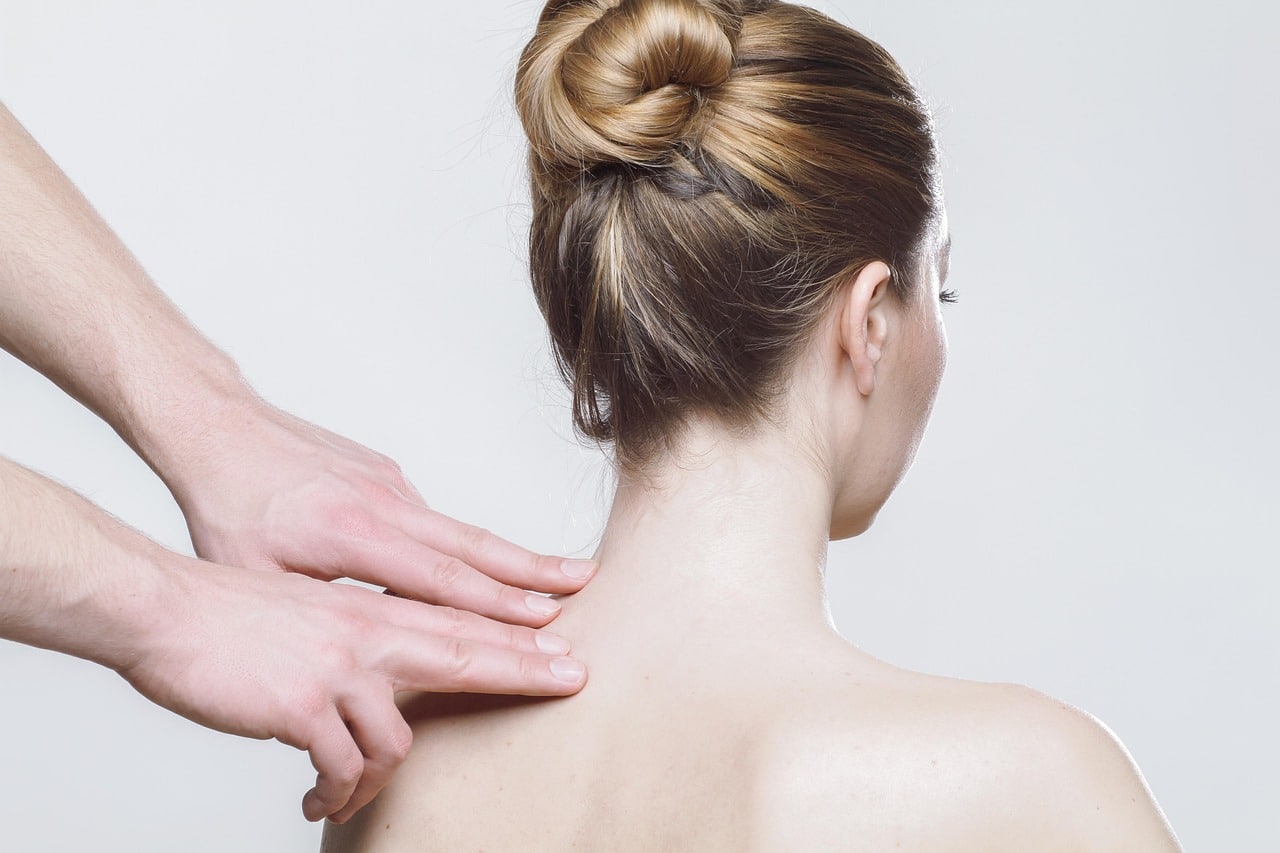
The trapezius muscles (between neck and shoulders) respond particularly well to petrissage. Grasp the muscle between thumb and fingers, lift slightly, and roll it gently. This technique addresses the exact areas where stress manifests physically for most people.

Friction: Targeting Specific Knots
When you encounter particularly stubborn tension points, friction techniques provide focused relief. Using fingertips or thumbs, apply circular pressure directly to the tight area. Move the skin over underlying muscle rather than sliding across the skin’s surface.
This method works beautifully for trigger points—those tender spots that radiate discomfort when pressed. Maintain steady pressure for 30-60 seconds, breathing deeply to encourage release. You’ll often feel the knot soften as blood flow increases.
Creating the Perfect Environment for Stress Relief ✨
Technical skill represents only half the equation. The atmosphere you create significantly impacts the massage’s effectiveness. Engaging all five senses transforms a simple rubdown into a therapeutic ritual.
Lighting should be soft and warm—harsh overhead lights trigger alertness rather than relaxation. Consider dimming switches or candles (placed safely away from fabrics). Temperature matters equally; a slightly warm room prevents muscle contraction, while cool environments counteract your efforts.
Aromatherapy and Essential Oils
Scent directly influences limbic system activity, the brain region governing emotions and memory. Lavender essential oil reduces anxiety and improves sleep quality according to multiple studies. Chamomile offers similar calming properties, while eucalyptus helps release respiratory tension.
Always dilute essential oils in a carrier oil (sweet almond, jojoba, or coconut) before skin application—typically 2-3 drops per tablespoon of carrier. Test on a small skin area first to ensure no allergic reaction occurs.
Sound and Silence
Background music should feature slow tempos (60 beats per minute or less) without jarring changes or lyrics that engage conscious thought. Nature sounds, singing bowls, or classical compositions work beautifully. Alternatively, complete silence allows focus on breathing and bodily sensations.
Self-Massage Techniques for Daily Stress Management 🙌
You don’t need a partner to experience massage benefits. Self-massage techniques provide immediate relief during stressful workdays or before important events when anxiety peaks.
Scalp Massage for Mental Clarity
Place fingertips on your scalp and apply gentle circular pressure, moving from your forehead back toward the neck. This technique releases facial tension, reduces headache intensity, and promotes mental alertness. Spend 3-5 minutes during midday slumps for remarkable cognitive refreshment.
Hand Massage for Computer-Related Strain
Our hands bear constant strain from typing, texting, and gripping. Use your thumb to massage the palm of your opposite hand in circular motions, then gently pull each finger from base to tip. Rotate wrists slowly while applying pressure to the forearm muscles. This five-minute routine prevents repetitive strain injuries and restores circulation.
Foot Reflexology Basics
Reflexology theory suggests that foot zones correspond to body organs and systems. Whether you embrace this philosophy fully or not, foot massage undeniably promotes relaxation. Use thumbs to apply firm pressure to the arch, then massage each toe individually. The simple act of touching your feet signals your nervous system to shift into rest mode. 🦶
Targeting Common Problem Areas Where Tension Accumulates
Stress doesn’t distribute evenly throughout the body. Certain regions become tension magnets based on posture, work habits, and emotional patterns. Addressing these zones yields disproportionate relief.
The Neck and Shoulder Triangle
This region suffers most in desk workers and smartphone users. The head’s forward posture forces neck muscles into constant contraction, creating the infamous “tech neck.” Begin with gentle effleurage from skull base downward, then use petrissage on the trapezius muscles.
Find the groove beside your cervical spine (neck vertebrae) and apply gentle thumb pressure, moving downward slowly. Never press directly on the spine itself. This technique releases deep postural muscles that standard stretching can’t reach.
Lower Back Relief Techniques
Lower back pain affects over 80% of adults at some point. While self-massage here proves challenging, using tennis balls or foam rollers extends your reach. Lie on your back with a tennis ball positioned beside your spine (never directly on it), then gently roll to apply pressure to tight muscles.
For partnered massage, use your palm heel to apply broad, warming pressure to the lower back muscles. Move in slow circles, paying attention to the quadratus lumborum (the muscles on either side of the spine at waist level). This area holds tremendous stress-related tension.
Jaw and Temporal Tension 😌
Jaw clenching during stress creates ripple effects—headaches, tooth damage, and facial pain. Place your fingertips on your temples and apply gentle circular pressure. Move down to the jaw joint (TMJ), opening your mouth slightly, then massage the masseter muscles (the thick muscles along your jawline).
This often-neglected area stores surprising amounts of tension. Regular jaw massage can reduce stress headaches by up to 40% and improve sleep quality by preventing nighttime teeth grinding.
Developing Your Touch Sensitivity and Intuition
Effective massage transcends memorized techniques. The most therapeutic practitioners develop keen sensitivity to subtle tissue changes—areas of heat indicating inflammation, ropy textures suggesting adhesions, or involuntary flinching signaling tender trigger points.
Practice mindful touching by closing your eyes while massaging. This heightens tactile awareness, helping you distinguish between superficial and deep tension. Notice temperature variations, texture differences, and how tissues respond to various pressure levels.
Your hands are incredibly sophisticated sensory organs. Medical studies show experienced massage therapists can detect tissue abnormalities rivals to some diagnostic imaging. While you’re developing skills, this same sensitivity helps you provide more responsive, personalized care.
Timing and Frequency: Building Sustainable Practices ⏰
How often should you practice massage for optimal stress management? The answer depends on your tension levels, available time, and specific goals. However, consistency matters more than duration—three 10-minute sessions weekly outperform occasional hour-long marathons.
Morning massage energizes and prepares you mentally for challenging days. Focus on stimulating techniques with brisker movements. Evening sessions should emphasize slow, soothing strokes that prepare your body for restorative sleep.
For chronic stress management, daily self-massage targeting key areas (neck, shoulders, hands) provides cumulative benefits. Think of it as preventive maintenance rather than emergency intervention. Regular practice prevents tension from reaching crisis levels requiring professional intervention.
Safety Considerations and When to Avoid Massage
While massage offers tremendous benefits, certain conditions require caution or professional medical guidance. Never massage areas with open wounds, infections, or unexplained swelling. Avoid massaging directly over varicose veins, though gentle surrounding tissue work remains safe.
Pregnant women should consult healthcare providers before receiving deep massage, particularly during the first trimester. However, gentle techniques specifically designed for pregnancy provide wonderful relief from common discomforts.
If you experience sharp pain, numbness, or tingling during massage, stop immediately. Therapeutic touch should never cause acute pain—discomfort may occur when addressing tight areas, but this differs from sharp, shooting sensations indicating potential injury.
Enhancing Your Skills Through Continued Learning 📚
Beginning your massage journey opens endless opportunities for growth. Online courses, instructional videos, and workshops provide structured learning paths. Many community colleges offer affordable certification programs if you discover a passion for therapeutic bodywork.
Books like “The Massage Bible” by Susan Mumford or “Trail Guide to the Body” by Andrew Biel deepen anatomical understanding. Knowing muscle locations, attachment points, and functions dramatically improves technique effectiveness.
Consider joining local massage practice groups where learners exchange sessions. This reciprocal arrangement provides both practice opportunities and firsthand experience of various approaches. The feedback loop accelerates skill development exponentially.
Integrating Massage into Holistic Stress Management
Massage works synergistically with other wellness practices. Combined with regular exercise, it prevents the muscle soreness that discourages physical activity. Paired with meditation, it deepens body awareness and mindfulness. Alongside proper nutrition, it supports the inflammatory response and tissue repair.
View massage as one component within a comprehensive self-care system. The stress relief it provides creates mental space for healthier choices in other life areas. Better sleep improves decision-making. Reduced pain increases physical activity. Lower anxiety enhances relationships. These benefits compound over time. 🌱
Sharing the Gift of Healing Touch with Others
Once you’ve developed confidence in your abilities, sharing massage with family and friends strengthens bonds while spreading wellbeing. Teaching a partner simple techniques creates opportunities for mutual support during stressful periods.
Children respond beautifully to gentle massage, particularly before bedtime. Establishing this routine early helps them develop healthy relationships with their bodies and provides tools for self-soothing throughout life.
Elderly family members often experience chronic pain and social isolation. Offering regular massage sessions provides not only physical relief but also meaningful human connection increasingly rare in their lives. The emotional benefits may ultimately exceed the physical ones.
Embracing Your Journey Toward Tension-Free Living
Learning massage techniques represents an investment in lifelong wellbeing. Unlike temporary fixes or expensive treatments, these skills remain available whenever stress emerges. With practice, what initially requires conscious effort becomes intuitive—your hands naturally knowing where tension hides and how to release it.
The path from novice to proficient practitioner requires patience, but even beginners provide meaningful relief. Your first attempts may feel clumsy, yet the intention behind your touch communicates care that transcends technical perfection. As you progress, you’ll discover that massage offers as much to the giver as the receiver—the meditative focus, the satisfaction of easing another’s suffering, the profound intimacy of healing touch.
Start today with simple techniques on yourself. Notice how even five minutes of focused attention shifts your nervous system. Experiment with different pressures, speeds, and areas. Let curiosity rather than perfectionism guide your exploration. The body is forgiving and responsive, offering immediate feedback about what works. 💫
In a world that increasingly disconnects us from physical presence and embodied experience, massage reconnects us to our most fundamental nature. It reminds us that we are physical beings requiring touch, care, and intentional rest. By developing these skills, you reclaim agency over your wellbeing while cultivating the ancient art of healing through human connection.
Your hands hold more power than you realize—power to soothe, restore, and transform. Each stroke carries potential to shift someone’s entire day from overwhelming to manageable. That remarkable ability deserves development, practice, and celebration. Welcome to the deeply rewarding world of therapeutic massage.
