
Have you ever dreamed of playing your favorite songs on the guitar but kept postponing it? Today is the day to finally start your musical journey from the comfort of your home.


Learning to play the guitar is one of those timeless dreams that connects people across generations. Whether you’re picturing yourself strumming around a campfire, performing at open mic nights, or simply playing for your own enjoyment, the guitar offers a gateway to musical expression that’s both accessible and deeply rewarding.
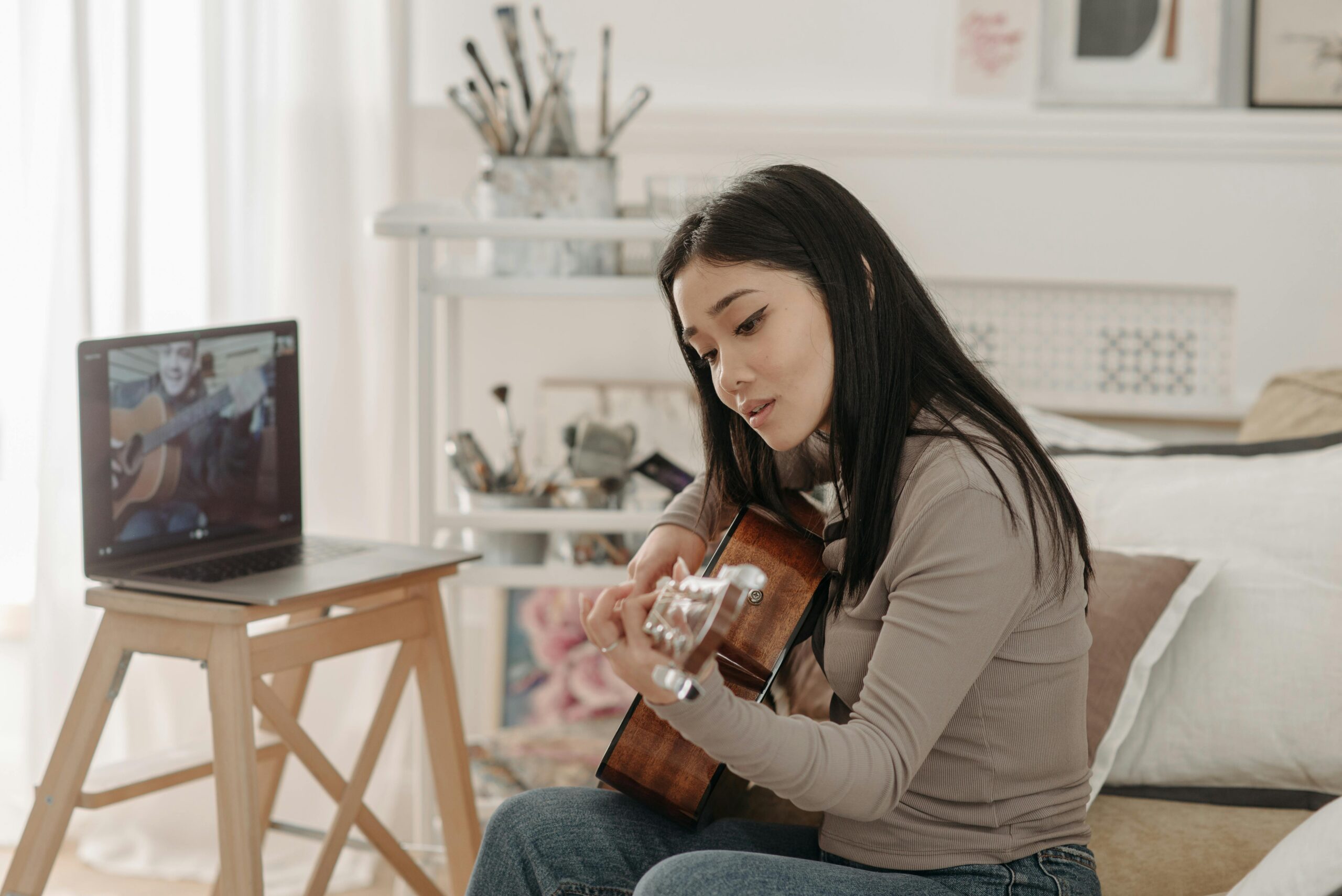
The good news? You don’t need expensive lessons, rigid schedules, or years of commitment to get started. With today’s technology and proven learning methods, you can begin your guitar journey right at home, on your own terms, and see real progress in just weeks. Let’s explore why now is the perfect time to stop delaying and start playing.
🎸 Why Learning Guitar at Home Makes Perfect Sense
Traditional guitar lessons often come with barriers that prevent people from ever picking up the instrument. You have to coordinate schedules with instructors, commute to lesson locations, and commit to significant financial investments before you even know if you’ll enjoy the experience.
Learning at home eliminates these obstacles completely. You control the pace, the schedule, and the environment. Feel like practicing at 6 AM before work? Go ahead. Want to review that chord progression at midnight? Nobody’s stopping you. This flexibility transforms learning from a chore into something that fits naturally into your lifestyle.
Modern home learning also leverages technology in ways traditional methods never could. Interactive apps provide instant feedback on your playing, video tutorials let you replay difficult sections as many times as needed, and online communities connect you with fellow learners worldwide. You get the benefits of personalized instruction without the constraints of in-person lessons.
🚫 Stop Making These Common Excuses
Everyone who hasn’t learned guitar yet has a familiar list of reasons why. Let’s address the most common excuses that might be holding you back right now.
“I Don’t Have Musical Talent”
This is perhaps the biggest myth in music education. Guitar playing is a skill, not an innate talent. Like riding a bike or cooking a meal, it’s something anyone can learn through practice and proper instruction. You don’t need perfect pitch, natural rhythm, or musical genes. You just need the willingness to practice consistently.
Studies have shown that deliberate practice matters far more than natural ability. Someone with “no talent” who practices regularly will vastly outperform someone with “natural gifts” who practices sporadically. Your dedication determines your success, not your genes.
“I’m Too Old to Learn”
Another persistent myth is that you must start young to become proficient. While children may learn slightly faster in some areas, adults have significant advantages: better focus, stronger motivation, superior cognitive strategies, and the patience to work through challenges systematically.
Many successful guitarists started in their 30s, 40s, 50s, or even later. Your brain remains capable of learning new motor skills throughout your entire life. Age might change how you learn, but it doesn’t prevent you from learning effectively.
“I Don’t Have Time”
If you can find 15-20 minutes daily, you have enough time to learn guitar. That’s less time than most people spend scrolling social media each day. The key is consistency, not marathon practice sessions. Short, focused practice periods actually produce better results than occasional long sessions.
Think of guitar practice as your daily mental refresh—a creative break from work stress, screen time, and daily responsibilities. When framed this way, practice becomes something you look forward to rather than another obligation to squeeze into your schedule.

✨ The Real Benefits of Playing Guitar
Beyond the obvious joy of making music, learning guitar delivers surprising benefits that extend into multiple areas of your life.
Mental Health and Stress Relief
Playing guitar is meditative. When you’re focused on finger placement, chord transitions, and rhythm, your mind can’t simultaneously worry about work deadlines or personal problems. This focused attention provides a mental break that reduces stress and anxiety naturally.
Research consistently shows that playing musical instruments lowers cortisol levels, improves mood, and can even help manage symptoms of depression. The act of creating something beautiful with your own hands provides a sense of accomplishment that boosts self-esteem and overall wellbeing.
Cognitive Benefits
Learning guitar strengthens neural connections, improves memory, and enhances coordination. Reading music or tablature exercises your brain differently than most daily activities, creating new neural pathways and keeping your mind sharp.
Studies have demonstrated that musicians often show enhanced executive function, better multitasking abilities, and improved problem-solving skills. These cognitive benefits extend well beyond musical contexts into your professional and personal life.
Social Connections
Guitar is inherently social. Whether you join an online learning community, participate in local jam sessions, or simply play for friends and family, the instrument creates opportunities for meaningful human connection.
In an increasingly digital world, making music together remains one of the most authentic ways people bond. The shared experience of creating or enjoying music breaks down barriers and builds relationships in ways few other activities can match.
🏠 Setting Up Your Home Learning Space
Creating an effective practice environment doesn’t require a dedicated music room or expensive equipment. You just need a few essentials and some thoughtful organization.
Choosing Your First Guitar
For beginners learning at home, an acoustic guitar often makes the most sense. They’re self-contained (no amplifier needed), relatively affordable, and provide immediate feedback on your technique. Look for a guitar with a comfortable neck width and body size that feels natural when you hold it.
Don’t obsess over finding the “perfect” instrument. Any decent beginner guitar from a reputable brand will serve you well for your first year or two. As you progress, you’ll develop preferences that inform future purchases.
Essential Accessories
Beyond the guitar itself, invest in these basics: a tuner (or tuning app), picks of various thicknesses, a comfortable strap, and a simple guitar stand. These items typically cost less than $50 total but dramatically improve your practice experience.
Consider getting a capo once you’ve learned basic chords. This simple device opens up new song possibilities and makes certain pieces much easier to play while learning.
Creating a Practice-Friendly Space
Designate a specific spot for your guitar practice. This doesn’t need to be a separate room—just a corner where your guitar is always visible and easily accessible. The easier it is to grab your guitar and start playing, the more often you’ll practice.
Keep your learning materials nearby: method books, tablet for apps, music stand if you use one. Reducing friction between the decision to practice and actually starting makes consistency much easier to maintain.
📱 Modern Learning Tools That Actually Work
Today’s guitar learners have access to resources that would have seemed like science fiction just a generation ago. These tools make self-directed learning more effective than traditional methods in many cases.
Interactive Learning Apps
Guitar learning apps use your device’s microphone to listen as you play, providing real-time feedback on accuracy and timing. This immediate response helps you correct mistakes instantly rather than reinforcing bad habits.
Quality apps structure lessons in progressive sequences, ensuring you build skills in a logical order. They gamify the learning process with achievements and streaks, making practice more engaging while tracking your progress objectively.
Video Tutorials and Online Courses
YouTube and specialized learning platforms offer thousands of free guitar tutorials covering every style and skill level. The ability to pause, replay, and slow down videos means you can learn at exactly your own pace.
Many professional guitarists now offer structured online courses that rival or exceed traditional in-person instruction. These courses often include community forums where you can ask questions and connect with fellow students.
Digital Sheet Music and Tabs
Websites and apps provide instant access to tablature and chord charts for virtually any song. Many include playback features that let you hear how the piece should sound, and some allow you to slow down the tempo while learning.
This immediate access means you can start learning your favorite songs right away rather than spending weeks on exercises that feel disconnected from actual music-making.
🎯 Your First 30 Days: A Realistic Roadmap
What should you actually focus on when starting? Here’s a practical plan for your first month that builds a solid foundation without overwhelming you.
Week 1: Getting Comfortable
Spend your first week simply getting familiar with the instrument. Learn how to hold the guitar properly, basic hand positioning, and how to tune. Practice strumming open strings with a pick and with your fingers. This might feel basic, but proper fundamentals prevent frustrating problems later.
Start building calluses by pressing strings down on different frets. Your fingertips will be tender—this is completely normal. Brief daily sessions are better than trying to power through long practices that leave your fingers too sore to continue.
Week 2: Your First Chords
Learn three basic open chords: E minor, A minor, and D major. These shapes are relatively easy for beginners and appear in countless songs. Practice switching between them smoothly, focusing on accuracy before speed.
Spend 5-10 minutes daily on chord transitions. Use a metronome or app to keep steady time, starting very slowly. The goal is clean, confident changes—speed will develop naturally with practice.
Week 3: Simple Strumming Patterns
With those three chords comfortable, learn basic strumming patterns. Start with simple down strums on each beat, then progress to patterns that include upstrokes. Practice keeping steady time, which is more important initially than complex rhythms.
Find simple songs that use your three chords. Playing actual music, even basic versions, is far more motivating than drilling exercises in isolation.
Week 4: Adding More Chords
Expand your chord vocabulary with C major, G major, and D minor. Now you have six chords that unlock hundreds of songs. Continue practicing smooth transitions between all possible combinations.
By week four, aim to play at least one complete simple song from start to finish, even if slowly. This milestone proves you’re making real progress and provides motivation to continue.
💪 Overcoming the Inevitable Challenges
Every guitarist faces obstacles during the learning process. Knowing what to expect helps you push through difficult phases rather than giving up when things get tough.
Finger Pain and Building Calluses
Your fingertips will hurt during the first few weeks—there’s no avoiding it. The steel strings press into soft skin that hasn’t developed protective calluses yet. This discomfort is temporary and actually signals that you’re practicing enough to improve.
Keep practice sessions short initially. Multiple brief sessions throughout the day are better than one long session that leaves your fingers too painful to play tomorrow. Within 2-3 weeks, you’ll develop calluses that make playing comfortable.
The Frustration Plateau
After initial rapid progress, most learners hit a plateau where improvement seems to stall. This is normal and happens to everyone. Your brain is consolidating all the new information and motor patterns you’ve been learning.
When progress feels slow, revisit songs you learned weeks ago. You’ll often be surprised by how much easier they now feel, providing evidence of improvement even when new material feels challenging.
Keeping Motivation High
Motivation naturally fluctuates. Some days you’ll be excited to practice; other days it feels like a chore. The key is maintaining consistency even when motivation is low. This is where your practice routine and easily accessible setup become crucial.
Set extremely small minimum practice goals—something like “play for just 5 minutes.” Often, once you start, you’ll continue beyond the minimum. But even on days when you don’t, you’ve maintained your habit and skill continuity.
🎵 Choosing Songs That Keep You Engaged
One of the biggest advantages of home learning is complete freedom in what you learn. Choose songs you genuinely love rather than working through method books filled with pieces that don’t resonate with you.
Start with simplified versions of your favorite songs. Many popular songs use just a few basic chords, and simplified arrangements let you play recognizable versions while still building skills. As you improve, you can learn more complex arrangements of the same pieces.
Balance challenge with achievability. Choose some songs slightly above your current level to push your skills, but also learn some easier pieces that you can play well for enjoyment and confidence building.
🌟 Making Practice a Sustainable Habit
The difference between people who learn guitar and those who don’t usually comes down to habit formation, not talent or resources.
Attach your practice to an existing daily routine. Maybe you play for 15 minutes with your morning coffee, or practice after dinner while winding down from the day. This routine stacking makes practice automatic rather than requiring willpower decisions.
Track your practice, even informally. Many learning apps do this automatically, or simply mark days you practice on a calendar. Seeing a streak of consecutive practice days creates positive momentum you won’t want to break.
Celebrate small wins. Learned a new chord cleanly? Successfully played a song all the way through? Acknowledge these achievements, however minor they seem. Progress happens in tiny increments that accumulate into genuine skill over time.
🚀 Taking the First Step Today
You’ve read about the benefits, the methods, and the realistic expectations for learning guitar at home. Now comes the most important part: actually beginning.
If you already own a guitar, commit to playing it today—even for just five minutes. If you don’t own one yet, research affordable beginner options and set a date to purchase one within the next week. The specific action matters less than taking any forward step.
Download a learning app or bookmark a few beginner tutorial videos. Create your practice space, even if it’s just moving a chair to a spot with good lighting. These preparatory actions transform your intention into tangible progress.
Remember that every guitarist you admire started exactly where you are now—knowing nothing, feeling awkward, and uncertain if they could really do this. The only difference between them and non-guitarists is that they started and kept going despite challenges.
🎸 Your Musical Journey Starts Now
Learning guitar at home has never been more accessible, affordable, or effective. The barriers that once prevented people from pursuing this dream have largely disappeared, replaced by flexible tools and methods that adapt to your schedule, learning style, and musical preferences.
The question isn’t whether you’re capable of learning—you absolutely are. The question is whether you’ll take action today or continue postponing this dream indefinitely. Years from now, you’ll either be playing the songs you love or wishing you had started when you first thought about it.
Your guitar doesn’t care about your age, your natural talent, or how busy your schedule is. It simply waits for you to pick it up and begin. Make today the day you finally stop delaying and start playing. Your future self will thank you for beginning this rewarding journey right now.
