
Anúncios
GPS apps have transformed how we navigate the world, offering real-time directions, traffic updates, and countless features that make traveling easier and more efficient than ever before.
Whether you’re commuting to work, planning a road trip, or exploring a new city, GPS applications have become indispensable tools in our daily lives. These sophisticated navigation systems combine satellite technology with user-generated data to provide accurate, up-to-date information that helps millions of people reach their destinations safely and efficiently.
The evolution of GPS technology has brought us from bulky standalone devices to sleek, feature-rich smartphone applications that do much more than simply point us in the right direction. Modern GPS apps offer lane guidance, voice navigation, alternative routes, and even social features that connect drivers in real-time. Let’s explore the fascinating world of GPS applications and discover why they’ve become essential companions for travelers worldwide. 🗺️
The Revolution of Digital Navigation 🚗
Gone are the days of unfolding paper maps while driving or stopping at gas stations to ask for directions. GPS applications have fundamentally changed our relationship with navigation, making getting lost a rare occurrence rather than a common frustration. These apps leverage Global Positioning System satellites to pinpoint your exact location within meters, then calculate the optimal route to your destination based on numerous factors.
The technology behind GPS apps is remarkable. Your smartphone communicates with multiple satellites orbiting Earth, triangulating your position with impressive accuracy. This information is then processed through sophisticated algorithms that consider current traffic conditions, road closures, speed limits, and historical data to recommend the best possible route. The entire process happens in milliseconds, providing you with instant, actionable navigation guidance.
What makes modern GPS applications truly revolutionary is their dynamic nature. Unlike static maps, these apps continuously update in real-time, adapting to changing conditions as you drive. If there’s an accident ahead, the app can automatically reroute you. If traffic suddenly clears, it can suggest a faster alternative. This responsiveness transforms navigation from a static planning exercise into a dynamic, interactive experience.
Top Features That Define Modern GPS Apps 📱
Today’s GPS applications offer an impressive array of features that extend far beyond basic turn-by-turn directions. Understanding these capabilities can help you choose the right app for your specific needs and make the most of the technology at your fingertips.
Real-time traffic updates stand as perhaps the most valuable feature of modern GPS apps. By collecting data from millions of users simultaneously, these applications can identify traffic slowdowns, accidents, and congestion patterns as they happen. This crowdsourced approach provides far more accurate and timely information than traditional traffic reports, potentially saving you hours of frustration stuck in unexpected gridlock.
Voice-guided navigation has evolved significantly, with natural-sounding voices providing clear instructions that allow you to keep your eyes on the road. Many apps now support multiple languages and even celebrity voices, making the navigation experience more personalized and enjoyable. The best implementations anticipate your needs, alerting you well in advance of upcoming turns or lane changes.


Advanced Route Planning and Optimization
Modern GPS apps excel at route optimization, considering multiple variables to suggest the best path to your destination. These algorithms weigh factors like distance, estimated travel time, current traffic conditions, toll roads, highways versus local roads, and even your personal preferences learned over time. Some applications allow you to add multiple stops, automatically organizing them in the most efficient order.
Offline functionality has become increasingly important, especially for travelers venturing into areas with limited cellular coverage. Many GPS apps now allow you to download maps for entire regions or countries, ensuring you can navigate even without an internet connection. This feature proves invaluable for international travel, hiking in remote areas, or simply conserving mobile data.

Community-Powered Navigation: The Social Advantage 👥
One of the most innovative developments in GPS technology is the integration of social features that transform navigation into a collaborative experience. Community-powered apps leverage the collective knowledge and real-time observations of millions of users to provide information that traditional mapping systems simply cannot match.
Users can report hazards like potholes, debris on the road, disabled vehicles, or dangerous weather conditions. They can alert others to speed traps, red-light cameras, or police presence. These user-generated reports appear on the maps of nearby drivers in real-time, creating a constantly updating network of shared intelligence that benefits everyone on the road.
The community aspect extends beyond safety warnings. Some GPS apps allow users to coordinate drives, share their estimated arrival times with friends and family, or even compete on leaderboards for the most contributions to the community. This gamification element encourages participation while building a more comprehensive and accurate navigation ecosystem for all users.
Choosing the Right GPS App for Your Needs 🎯
With dozens of GPS applications available, selecting the right one depends on your specific requirements, preferences, and typical use cases. Different apps excel in different areas, and understanding these distinctions helps you make an informed choice.
For daily commuters, apps with strong real-time traffic capabilities and alternative route suggestions prove most valuable. These features can shave minutes or even hours off your regular drives by intelligently avoiding congestion. Look for apps that learn your routine and can proactively suggest departure times based on traffic patterns.
Road trip enthusiasts might prioritize apps with excellent offline capabilities, points of interest databases, and integration with travel planning tools. The ability to discover restaurants, gas stations, hotels, and attractions along your route enhances the journey and eliminates the need for separate research. Some apps even curate scenic routes or interesting detours to make long drives more enjoyable.
Professional and Commercial Navigation Solutions
Professional drivers, including truckers, delivery personnel, and rideshare operators, have specialized navigation needs that general-purpose apps may not adequately address. Commercial GPS applications consider vehicle dimensions, weight restrictions, bridge clearances, and prohibited routes for large vehicles. They also optimize for fuel efficiency and may integrate with fleet management systems.
For rideshare and delivery drivers, apps that provide efficient multi-stop routing and detailed pickup/dropoff location information prove essential. Some platforms integrate directly with the service apps drivers use, streamlining the workflow and reducing the need to switch between multiple applications while working.
Privacy Considerations in Location-Based Services 🔒
While GPS apps offer tremendous convenience, they also collect substantial amounts of data about your movements, habits, and behaviors. Understanding how this information is used and implementing appropriate privacy protections ensures you can enjoy navigation benefits without unnecessary risk to your personal information.
Most GPS applications track your location history to provide personalized recommendations and improve route suggestions. This data helps the app understand your home and work locations, predict your destinations, and learn your preferences. However, this information is also potentially sensitive, revealing patterns about your daily life that you may not want shared or stored indefinitely.
Review your GPS app’s privacy settings regularly. Many applications allow you to limit data collection, delete location history, or prevent the sharing of your information with third parties. Some apps operate in privacy-focused modes that provide navigation without storing your travel history. Understanding these options empowers you to balance convenience with privacy according to your personal comfort level.
The Future of GPS Navigation Technology 🚀
GPS technology continues to evolve rapidly, with exciting developments on the horizon that promise to make navigation even more sophisticated, accurate, and useful. Understanding these emerging trends provides insight into how we’ll navigate our world in the coming years.
Augmented reality (AR) navigation represents one of the most promising frontiers. These systems overlay directional arrows and information directly onto live camera feeds of the real world, making it virtually impossible to miss your turn. Instead of interpreting a map, you simply follow the visual cues superimposed on the actual streets ahead of you. Several major GPS apps have already introduced AR features, with more comprehensive implementations expected soon.
Integration with autonomous vehicle technology will transform GPS apps from driver assistance tools into core components of self-driving systems. These advanced navigation platforms will need to process vastly more information more quickly, communicating with both vehicles and infrastructure to enable safe, efficient autonomous transportation. The GPS apps we use today are evolving into the navigation brains of tomorrow’s self-driving cars.
Environmental and Sustainability Features
As environmental consciousness grows, GPS applications are incorporating features that help users minimize their carbon footprint. Eco-routing options prioritize fuel-efficient routes that may not be the fastest but consume less gas and produce fewer emissions. Some apps estimate the environmental impact of different route choices, empowering users to make informed decisions that balance convenience with sustainability.
Electric vehicle (EV) integration has become crucial as more drivers transition to electric cars. Specialized GPS features help EV owners locate charging stations, estimate range based on route characteristics, and plan trips that account for necessary charging stops. These capabilities remove much of the anxiety associated with electric vehicle ownership, making sustainable transportation more practical and accessible.
Tips for Maximizing Your GPS App Experience 💡
Getting the most from your GPS application requires more than simply entering a destination and following directions. These practical tips help you unlock the full potential of your navigation app while avoiding common pitfalls and frustrations.
Keep your GPS app updated to ensure you have the latest maps, features, and performance improvements. Developers regularly release updates that fix bugs, add functionality, and incorporate new road data. Outdated apps may provide inaccurate directions or miss important road changes, potentially leading you astray or causing you to miss more efficient routes.
Customize your settings to match your preferences and needs. Adjust voice volume so you can hear instructions clearly without being startled. Set your preferred route types (fastest, shortest, avoid highways, etc.). Configure alerts for speed cameras or hazards according to your interests. Taking time to personalize these settings creates a navigation experience tailored specifically to you.
Download offline maps for areas you visit frequently or plan to travel. This preparation ensures you’ll have navigation capability even if you lose cellular service or want to conserve mobile data. Most apps allow you to select specific regions or cities for offline use, balancing functionality with the storage space available on your device.
Common GPS App Challenges and Solutions 🔧
Despite their sophistication, GPS applications occasionally encounter issues that can frustrate users. Understanding common problems and their solutions helps you troubleshoot effectively and maintain reliable navigation capability.
GPS signal accuracy can suffer in certain environments, particularly urban canyons with tall buildings, dense forests, or tunnels. When your phone can’t clearly communicate with positioning satellites, your location may appear inaccurate or jump around erratically. If you experience persistent accuracy problems, ensure location services are enabled, restart your device, or try moving to a location with clearer sky visibility.
Battery drain represents a significant concern when using GPS apps for extended periods. Navigation requires continuous use of your screen, GPS receiver, and often cellular data—all power-intensive functions. Mitigate battery drain by reducing screen brightness, closing unnecessary background apps, using car chargers during drives, or enabling battery-saving modes that reduce location polling frequency during less critical navigation segments.
Addressing Outdated or Incorrect Map Data
No map is perfect, and occasionally you may encounter outdated information, missing roads, or incorrect restrictions. Most GPS apps provide mechanisms for reporting these issues directly from within the application. Taking a moment to submit corrections helps improve the map for everyone while also increasing the likelihood that your specific concern will be addressed in future updates.
When you encounter significantly outdated information, consider supplementing your primary GPS app with a secondary navigation option. Having a backup app available provides redundancy that can prove invaluable when your main app leads you astray or fails to recognize new construction, road closures, or other recent changes to the transportation network.
Integrating GPS Apps with Your Digital Ecosystem 🌐
Modern GPS applications don’t exist in isolation—they integrate seamlessly with other apps and services to create a comprehensive digital experience. Leveraging these connections enhances both navigation and your broader digital workflow.
Calendar integration allows your GPS app to automatically extract addresses from appointments and suggest departure times based on current traffic conditions. This proactive approach means you’ll receive alerts when you need to leave for your next meeting, accounting for real-time traffic that might delay your journey. The seamless connection between scheduling and navigation removes friction and reduces the mental overhead of planning your movements.
Voice assistant compatibility enables hands-free operation, allowing you to request directions, check traffic, or add stops using simple voice commands. This integration proves particularly valuable while driving, when keeping your hands on the wheel and eyes on the road is paramount. Most major GPS apps now work with popular voice assistants, creating a safer, more convenient navigation experience.
Social media and messaging app integration lets you share your location or estimated arrival time with friends and family directly from your GPS app. This capability provides peace of mind for loved ones waiting for you and eliminates the need to manually send updates during your journey. Some apps can automatically notify designated contacts when you arrive safely at your destination.
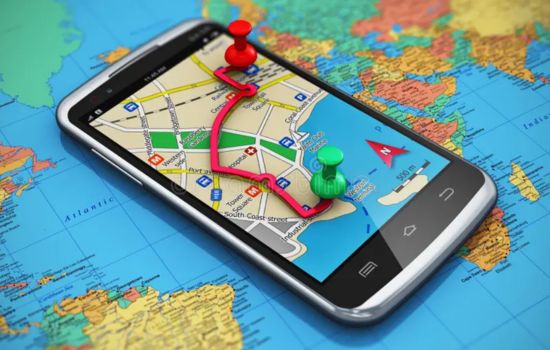
Top GPS Apps: Navigate Your World Efficiently
Transforming Travel Through Intelligent Navigation ✨
GPS applications have fundamentally transformed how we experience travel, turning navigation from a stressful necessity into an effortless background function. These powerful tools empower us to explore confidently, travel efficiently, and navigate complex transportation networks with remarkable ease. As technology continues to advance, GPS apps will become even more sophisticated, anticipating our needs and seamlessly integrating into every aspect of our mobile lives.
The choice of GPS application ultimately depends on your individual requirements, preferences, and typical use cases. Whether you prioritize community features, offline capability, commercial functionality, or simple reliability, there’s an app designed specifically for your needs. By understanding the features available and implementing best practices for usage, you can transform your navigation experience and reclaim countless hours previously lost to traffic, wrong turns, and inefficient routing.
As we look toward the future, GPS technology promises to become even more integral to our daily lives, enabling autonomous vehicles, augmenting our perception of reality, and helping us make more environmentally conscious transportation choices. The humble navigation app we use today represents the foundation for tomorrow’s intelligent transportation systems—a testament to how far we’ve come and a glimpse of the remarkable innovations still to arrive. 🌍
