
GPS apps have revolutionized how we navigate our daily lives, transforming smartphones into powerful navigation tools that guide us through unfamiliar streets and optimize our routes.
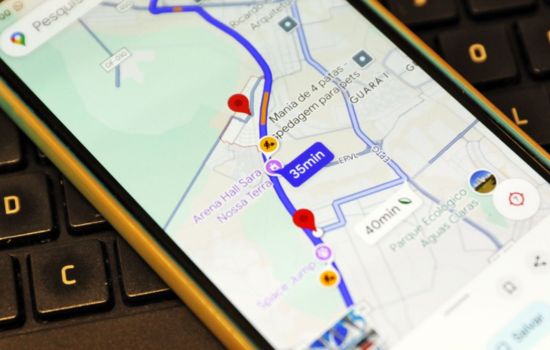
Gone are the days when drivers relied solely on paper maps and handwritten directions. Today’s GPS applications offer real-time traffic updates, voice-guided navigation, and alternative route suggestions that save time and reduce stress. Whether you’re commuting to work, exploring a new city, or embarking on a cross-country road trip, these digital companions have become indispensable.
The evolution of GPS technology has democratized navigation, making it accessible to everyone with a smartphone. From basic turn-by-turn directions to sophisticated features like lane guidance, speed limit warnings, and points of interest, modern GPS apps continue to push boundaries and enhance our travel experiences in remarkable ways.
📱 How GPS Applications Actually Work
Understanding the technology behind GPS apps helps appreciate their remarkable capabilities. These applications rely on a network of satellites orbiting Earth, constantly transmitting signals that your smartphone receives and processes to determine your exact location. The Global Positioning System consists of at least 24 satellites maintained by the United States government, though other countries have developed their own systems like Russia’s GLONASS and Europe’s Galileo.
Your smartphone needs signals from at least four satellites to calculate your precise position through a process called trilateration. The GPS chip in your device measures the time it takes for signals to travel from satellites to your phone, converting this information into coordinates. Modern smartphones combine GPS data with cellular tower information and Wi-Fi networks to improve accuracy, especially in urban environments where buildings can obstruct satellite signals.
The real magic happens when mapping software interprets these coordinates and overlays them onto detailed digital maps. These maps are constantly updated with road changes, new construction, and user-generated content. Advanced algorithms calculate optimal routes by considering distance, typical traffic patterns, current road conditions, and user preferences like avoiding highways or toll roads.


🚗 Popular GPS Apps Transforming Navigation
The market offers numerous GPS applications, each with unique features tailored to different user needs. Waze stands out as a community-driven platform where millions of users share real-time information about traffic jams, accidents, police presence, and road hazards. This crowdsourced approach creates a dynamic navigation experience that adapts to changing conditions faster than traditional systems.
Google Maps dominates the navigation landscape with comprehensive coverage spanning nearly every corner of the globe. Beyond driving directions, it provides transit schedules, walking routes, cycling paths, and even augmented reality features that overlay directional arrows onto your phone’s camera view. The integration with Google’s ecosystem allows seamless coordination with calendar events and location sharing with friends and family.
Apple Maps has evolved significantly since its rocky launch, now offering detailed city experiences, indoor mall navigation, and environmental features like elevation data for cycling routes. The privacy-focused approach ensures that location data remains encrypted and anonymous, appealing to users concerned about digital footprints.

Specialized Navigation Solutions 🛣️
Beyond mainstream options, specialized GPS apps serve specific communities. Truck drivers benefit from applications that account for vehicle height, weight restrictions, and commercial vehicle regulations. Apps like Trucker Path and CoPilot GPS provide truck stop locations, parking availability, and routes optimized for large vehicles.
Outdoor enthusiasts rely on apps like Gaia GPS and AllTrails that offer topographic maps, offline navigation for remote areas without cellular service, and trail-specific information including difficulty ratings and user reviews. These applications integrate features like waypoint marking, track recording, and emergency SOS functionality crucial for backcountry adventures.
💡 Essential Features That Define Quality GPS Apps
A superior GPS application combines multiple elements that work harmoniously to deliver exceptional user experience. Real-time traffic information ranks among the most valuable features, helping drivers avoid congestion and arrive at destinations faster. The best apps analyze historical traffic patterns and current conditions to predict delays before they impact your journey.
Offline functionality becomes critical when traveling through areas with unreliable internet connectivity. Premium GPS apps allow users to download maps for entire regions or countries, ensuring uninterrupted navigation regardless of cellular coverage. This feature proves invaluable for international travelers avoiding expensive roaming charges while maintaining full navigation capabilities.
Voice guidance quality significantly impacts driving safety by allowing drivers to keep eyes on the road. Advanced text-to-speech engines pronounce street names clearly and provide timely instructions with appropriate distance warnings. Some applications offer customizable voice options, including celebrity voices or language variations that match user preferences.
Interface Design and Usability Considerations 🎨
Intuitive interface design separates exceptional GPS apps from mediocre alternatives. Clear visual hierarchy ensures that critical information like upcoming turns, current speed, and arrival time remain instantly recognizable without cognitive overload. Night mode automatically adjusts screen brightness and color schemes to reduce eye strain during evening drives.
Customization options let users tailor the experience to individual preferences. Route preferences might include avoiding highways, minimizing tolls, or preferring scenic routes. Display customization allows adjustment of map detail levels, traffic layer visibility, and points of interest categories shown during navigation.
🌍 The Impact of GPS Technology on Modern Life
GPS applications have fundamentally altered how we interact with physical space and plan our movements. The anxiety of getting lost has diminished dramatically, empowering people to explore unfamiliar areas with confidence. This technological shift has democratized travel, making spontaneous adventures more accessible to everyone regardless of their sense of direction or familiarity with an area.
The economic implications extend beyond individual convenience. Delivery services, rideshare platforms, and logistics companies depend entirely on GPS technology to operate efficiently. Real-time tracking allows customers to monitor package deliveries, estimate arrival times accurately, and coordinate schedules with unprecedented precision. This efficiency translates into reduced fuel consumption, lower operational costs, and improved customer satisfaction.
Emergency services leverage GPS technology to respond faster to critical situations. When someone calls for help, dispatchers can pinpoint exact locations instantly, directing first responders along optimal routes. Some GPS apps include emergency features that automatically share location data with designated contacts or emergency services when activated.
🔒 Privacy Considerations and Data Security
While GPS apps provide tremendous convenience, they collect substantial amounts of location data that raises legitimate privacy concerns. Your movement patterns, frequently visited locations, and travel habits create detailed profiles that companies may use for advertising or sell to third parties. Understanding how different apps handle your data becomes crucial for making informed choices.
Reading privacy policies reveals how companies collect, store, and share location information. Some applications anonymize data before analysis, while others maintain identifiable records. European regulations like GDPR and California’s CCPA grant users rights to access, delete, or limit collection of personal information, though enforcement varies globally.
Users can take proactive steps to protect privacy while enjoying navigation benefits. Adjusting location permissions to “only while using the app” prevents background tracking when navigation isn’t needed. Regularly reviewing location history and deleting unnecessary records reduces the data footprint stored on company servers. Some privacy-focused GPS apps operate on open-source platforms with transparent data practices.
Balancing Convenience with Digital Privacy 🛡️
The convenience versus privacy tradeoff requires individual assessment based on personal values and risk tolerance. Some users prioritize functionality and personalized experiences that require extensive data collection. Others prefer minimal data sharing even if it means sacrificing certain features or personalization.
Encryption protocols protect data during transmission between your device and app servers, preventing interception by malicious actors. End-to-end encryption ensures that even service providers cannot access certain information, though this level of protection remains relatively rare in mainstream GPS applications.
⚡ Future Innovations Shaping GPS Navigation
Artificial intelligence and machine learning continue transforming GPS applications from simple navigation tools into predictive assistants. Future systems will anticipate your destinations based on patterns, suggest optimal departure times to avoid traffic, and proactively recommend alternative routes before congestion develops. These intelligent features will seamlessly integrate with smart home devices, autonomous vehicles, and augmented reality interfaces.
Augmented reality navigation represents the next frontier in GPS technology. Instead of viewing abstract maps, drivers will see directional arrows and guidance overlaid directly onto their windshields or smartphone camera views of the actual road ahead. This intuitive approach reduces cognitive load by eliminating the need to mentally translate map symbols into real-world actions.
Integration with autonomous vehicle technology will revolutionize transportation entirely. GPS systems will communicate directly with self-driving cars, coordinating routes across entire traffic networks to optimize flow and minimize congestion. Vehicle-to-vehicle communication will allow cars to share real-time information about road conditions, creating a collaborative navigation ecosystem.
🎯 Choosing the Right GPS App for Your Needs
Selecting the ideal navigation application depends on specific use cases and personal priorities. Frequent urban commuters benefit most from apps with superior traffic prediction and alternative route suggestions. The ability to report and receive alerts about accidents, construction, and police activity provides significant advantages in congested metropolitan areas.
International travelers should prioritize apps with comprehensive global coverage and robust offline capabilities. The ability to download detailed maps for multiple countries ensures uninterrupted navigation regardless of internet availability. Multi-language support and local points of interest enhance the travel experience in foreign destinations.
Budget-conscious users appreciate free applications that deliver excellent functionality without subscription fees. While premium versions offer additional features, many free GPS apps provide everything most people need for daily navigation. Evaluating whether advanced features justify subscription costs requires honest assessment of actual usage patterns.
Testing and Comparing Navigation Options 📊
Practical testing remains the most effective way to determine which GPS app works best for your circumstances. Install several popular options and use them for the same routes, comparing accuracy, traffic predictions, and user experience. Notice which interface feels most intuitive and which voice guidance provides clearest instructions.
Consider battery consumption during extended navigation sessions, as some apps drain power faster than others. Test offline functionality by downloading maps and attempting navigation in airplane mode. Evaluate additional features like speed limit warnings, lane guidance, and points of interest to determine which extras enhance your experience.
🌟 Maximizing Your GPS App Experience
Getting the most value from navigation apps involves more than simply following directions. Regularly updating the application ensures access to latest features, map improvements, and bug fixes. Enable automatic updates or set weekly reminders to check for new versions manually.
Contributing to community-based apps like Waze by reporting road conditions helps everyone while improving the service quality you receive. Your reports about traffic, hazards, or map errors get verified by other users and incorporated into the navigation system, creating a virtuous cycle of improvement.
Exploring advanced settings unlocks hidden potential in most GPS applications. Adjust route calculation preferences to match your driving style, customize alert frequencies to avoid notification overload, and enable or disable specific features based on actual needs. Taking time to personalize these options significantly enhances daily usability.
GPS applications have become indispensable tools that extend far beyond simple turn-by-turn directions. They represent sophisticated systems combining satellite technology, crowdsourced data, artificial intelligence, and detailed mapping to create seamless navigation experiences. As technology continues evolving, these applications will become even more integrated into our daily lives, anticipating needs and providing intelligent assistance that transforms how we move through the world.
Whether navigating daily commutes, exploring new cities, or embarking on epic road trips, modern GPS apps empower us with confidence and capability that previous generations could scarcely imagine. Understanding how these tools work, what features matter most, and how to protect privacy while enjoying their benefits allows everyone to harness their full potential responsibly and effectively.
