Learning a new language has never been more accessible, thanks to the rise of mobile applications designed to make language acquisition fun, flexible, and effective for learners of all levels.
Whether you’re planning an international trip, advancing your career, or simply exploring a new culture, language learning apps offer a practical solution that fits into your daily routine. These digital tools have transformed how millions of people approach language education, breaking down traditional barriers like cost, location, and rigid schedules.
From gamified lessons to AI-powered conversations, today’s language apps provide immersive experiences that were once only available in classroom settings. Let’s explore the most effective applications, their unique features, and how to choose the right one for your learning journey. 🌍
Why Language Learning Apps Are Revolutionizing Education
Traditional language classes often require significant time and financial commitments that don’t fit everyone’s lifestyle. Language learning apps have democratized access to quality education by offering flexible, affordable alternatives that adapt to individual learning paces and preferences.
The convenience factor cannot be overstated. You can practice vocabulary during your morning commute, complete grammar exercises during lunch breaks, or engage in speaking practice before bed. This flexibility ensures that language learning becomes a sustainable habit rather than a burdensome obligation.
Modern apps also leverage cognitive science and spaced repetition algorithms to optimize retention. By presenting information at strategic intervals, these applications help move vocabulary and grammar concepts from short-term to long-term memory more effectively than traditional study methods.
Top Applications for Language Learners in 2024
The market offers dozens of language learning apps, each with distinct approaches and methodologies. Understanding their unique strengths helps you select the platform that best aligns with your learning style and goals.

Duolingo: The Gamification Pioneer 🎮
Duolingo remains one of the most popular language learning platforms globally, with over 500 million users. Its success stems from transforming language education into an engaging game-like experience complete with points, levels, and achievement badges.
The app offers courses in over 40 languages, ranging from Spanish and French to less commonly taught languages like Welsh, Hawaiian, and even constructed languages like High Valyrian. Each lesson takes approximately 5-10 minutes, making it easy to maintain daily practice streaks.
Duolingo’s adaptive learning system adjusts difficulty based on your performance, ensuring you’re consistently challenged without becoming overwhelmed. The free version provides comprehensive access to all courses, while Duolingo Plus removes ads and offers offline access.

Babbel: Conversation-Focused Learning 💬
Babbel distinguishes itself by emphasizing practical conversation skills from the very first lesson. Rather than focusing exclusively on vocabulary memorization, Babbel integrates real-world dialogues that prepare learners for authentic interactions.
The platform offers 14 languages with courses designed by linguistic experts specific to your native language. This tailored approach addresses the particular challenges English speakers face when learning Spanish, for example, versus the challenges faced by German speakers learning the same language.
Lessons typically last 10-15 minutes and incorporate speech recognition technology to help improve pronunciation. Babbel operates on a subscription model with monthly, quarterly, and annual options, often providing significant discounts for longer commitments.
Rosetta Stone: Immersive Method Veteran 🎯
Rosetta Stone pioneered the immersive learning approach, teaching new languages without translation or grammatical explanations in your native tongue. This method mimics how children naturally acquire their first language through contextual understanding and pattern recognition.
The application uses images, audio, and text to build associations between words and meanings directly in the target language. While this approach requires patience initially, many learners report developing more intuitive language understanding compared to translation-based methods.
Rosetta Stone offers 25 languages with comprehensive courses spanning multiple proficiency levels. The platform includes TruAccent speech recognition technology that provides instant feedback on pronunciation accuracy, helping develop authentic accent patterns.
Memrise: Real-World Content Integration 📱
Memrise combines traditional language learning with authentic video content featuring native speakers in real-world situations. This approach bridges the gap between textbook knowledge and practical comprehension of natural speech patterns, accents, and colloquialisms.
The app utilizes spaced repetition and mnemonic techniques to enhance vocabulary retention. User-generated content supplements official courses, providing access to specialized vocabulary sets for specific interests or professional fields.
Memrise offers both free and premium tiers across seven major languages. The premium subscription unlocks advanced features like grammar explanations, listening practice with native speakers, and offline mode for learning on the go.
Busuu: Community-Powered Learning 🤝
Busuu incorporates social learning by connecting users with native speakers for feedback and practice. After completing written or spoken exercises, you can submit your work for correction by community members, receiving personalized guidance that automated systems cannot provide.
The platform offers 12 languages with structured courses aligned to CEFR (Common European Framework of Reference) standards. This alignment allows learners to track progress according to internationally recognized proficiency levels from A1 (beginner) to B2 (upper intermediate).
Busuu’s study plan feature creates personalized learning schedules based on your goals and available time. The app estimates how long reaching your target proficiency level will take and adjusts recommendations based on your consistency and performance.
Specialized Apps for Specific Learning Needs
While comprehensive platforms suit most learners, specialized applications excel at developing particular language skills or serving niche requirements. These targeted tools can complement broader learning apps or serve as primary resources depending on your objectives.
iTalki: Professional Tutoring Connection 👨🏫
iTalki connects learners with professional teachers and community tutors for one-on-one video lessons. This personalized instruction addresses individual weaknesses, answers specific questions, and provides conversation practice that apps alone cannot replicate.
The platform features thousands of teachers across more than 150 languages with widely varying price points. You can browse teacher profiles, read student reviews, and often book trial lessons at reduced rates before committing to regular sessions.
iTalki’s flexibility allows you to schedule lessons according to your availability and switch between teachers to find the best personality and teaching style match. This human element proves invaluable for mastering pronunciation, cultural nuances, and complex grammatical concepts.
Anki: Flashcard Powerhouse 🃏
Anki represents the gold standard for spaced repetition flashcard systems. While not exclusively a language learning app, countless polyglots credit Anki as their primary tool for vocabulary acquisition and retention across multiple languages.
The application allows complete customization, enabling you to create personalized decks or download pre-made decks shared by other users. Advanced users appreciate Anki’s algorithm flexibility, which can be adjusted to optimize review schedules based on individual memory patterns.
Anki’s desktop version is free, while the iOS app requires a one-time purchase. The learning curve is steeper than mainstream apps, but the investment pays dividends for serious learners committed to long-term language mastery.
Pimsleur: Audio-Based Learning 🎧
Pimsleur focuses exclusively on audio lessons, making it ideal for learners who prefer listening-based study or want to practice during activities like driving, exercising, or commuting. Each 30-minute lesson emphasizes speaking and listening comprehension without requiring reading or writing.
The method builds upon previous lessons systematically, with new vocabulary introduced gradually and reinforced through multiple contexts. Pimsleur’s approach particularly benefits auditory learners and those prioritizing conversational ability over reading proficiency.
The platform offers over 50 languages with courses ranging from single levels to comprehensive five-level programs. Subscription plans provide access to all courses across multiple languages, making it cost-effective for learners interested in studying several languages simultaneously.
Features That Make Language Apps Effective
Understanding what makes language learning apps successful helps you evaluate options and maximize the value of your chosen platform. Certain features consistently correlate with better learning outcomes and higher user satisfaction.
Spaced Repetition Systems ⏰
Spaced repetition algorithms present information at increasing intervals based on how well you remember it. Words you struggle with appear more frequently, while familiar vocabulary is reviewed less often, optimizing study time and preventing wasteful over-practice of already-mastered material.
This scientifically-proven technique leverages the psychological spacing effect, where information reviewed at strategic intervals is retained more effectively than material studied through massed practice or cramming sessions.
Speech Recognition Technology 🗣️
Modern speech recognition enables apps to evaluate pronunciation accuracy and provide immediate feedback. This feature proves particularly valuable for languages with sounds that don’t exist in your native tongue, helping you develop authentic pronunciation from the beginning.
While not perfect, current technology has advanced significantly, recognizing subtle pronunciation differences and identifying specific problem areas. Regular practice with speech recognition helps build confidence for real-world conversations where clear pronunciation impacts comprehension.
Adaptive Learning Paths 📊
Intelligent apps adjust content difficulty and pacing based on your performance, ensuring optimal challenge levels that promote learning without causing frustration. This personalization addresses the reality that learners progress at different rates across various language skills.
You might excel at vocabulary acquisition but struggle with verb conjugations, for example. Adaptive systems identify these patterns and allocate practice time accordingly, addressing weaknesses while maintaining strengths.
Cultural Context Integration 🌐
Effective language learning extends beyond vocabulary and grammar to encompass cultural understanding. Quality apps incorporate cultural notes, explain social contexts for language use, and expose learners to authentic materials that reflect how native speakers actually communicate.
This cultural dimension helps avoid embarrassing misunderstandings and enables more natural, appropriate language use in various social situations. Understanding when to use formal versus informal speech, for instance, is as important as knowing the grammatical structures themselves.
Choosing the Right App for Your Learning Style
No single application suits everyone perfectly. Your ideal platform depends on factors including learning objectives, available time, preferred study methods, budget constraints, and target language. Evaluating these elements helps narrow options to apps most likely to keep you engaged and progressing.
Consider Your Learning Goals 🎯
Are you preparing for a specific trip, aiming for professional fluency, or casually exploring a new language? Your objectives significantly influence which app best serves your needs. Travelers might prioritize apps emphasizing practical phrases and survival vocabulary, while professionals may need specialized business terminology and formal register mastery.
Academic learners preparing for standardized tests benefit from apps aligned with testing frameworks, while hobbyists might prefer gamified platforms that make daily practice feel like entertainment rather than obligation.
Assess Your Available Time ⏱️
Realistic time assessment prevents choosing apps that require more commitment than you can sustain. Some applications assume 30-60 minute daily practice sessions, while others accommodate 5-10 minute micro-learning sessions that fit into busy schedules.
Consistency matters more than duration. An app facilitating brief daily practice you’ll actually complete outperforms comprehensive platforms you’ll abandon after a few weeks due to time constraints.
Identify Your Preferred Learning Modality 📚
Visual learners thrive with apps emphasizing images, written text, and video content. Auditory learners prefer platforms focusing on listening exercises and spoken practice. Kinesthetic learners benefit from interactive exercises requiring active participation rather than passive consumption.
Most people combine multiple learning styles, but understanding your dominant preferences helps identify apps whose methodology aligns with how you naturally process information most effectively.
Maximizing Success With Language Learning Apps
Downloading an app represents just the beginning of your language learning journey. Strategic approach and consistent habits determine whether you achieve fluency or abandon the effort after initial enthusiasm fades.
Establish Daily Practice Routines 📅
Consistency trumps intensity in language acquisition. Daily 15-minute sessions produce better long-term results than sporadic marathon study sessions. Integrate language practice into existing routines—during morning coffee, lunch breaks, or before bed—to build sustainable habits.
Many apps include streak tracking and reminder features that leverage commitment psychology. Maintaining streaks creates positive pressure to continue practicing even on low-motivation days, gradually transforming language study from willpower-dependent activity to automatic habit.
Supplement App Learning With Immersion 🎬
Apps provide excellent foundations, but combining structured lessons with immersive content accelerates progress. Watch shows or movies in your target language, listen to podcasts, read articles, and follow social media accounts by native speakers.
This exposure to authentic language use helps you recognize patterns taught in apps within real contexts, improving comprehension and revealing colloquialisms and cultural references that formal lessons might miss.
Practice Output Skills Actively ✍️
Many learners fall into passive consumption traps, completing comprehension exercises without practicing speaking or writing. Actively producing language, even when difficult and error-prone, develops fluency more effectively than recognition exercises alone.
Use app speaking features regularly, write journal entries in your target language, or connect with language exchange partners through platforms like HelloTalk or Tandem. These output activities transform theoretical knowledge into practical communication ability.
Set Specific, Measurable Goals 🏆
Vague aspirations like “learn Spanish” lack the specificity that drives sustained effort. Define concrete objectives: “Complete 50 lessons by month-end,” “Hold a 5-minute conversation by quarter-end,” or “Read a children’s book in three months.”
Measurable goals enable progress tracking and provide motivation through visible achievement. Breaking ambitious long-term objectives into smaller milestones creates regular success experiences that maintain enthusiasm through the challenging intermediate phases.
Common Pitfalls to Avoid When Using Language Apps
Understanding typical mistakes helps you navigate potential obstacles and maintain productive learning trajectories. Many enthusiastic beginners unknowingly adopt counterproductive habits that slow progress or lead to abandonment.
App-Hopping Without Commitment 🔄
The abundance of quality apps tempts learners to constantly switch platforms seeking the “perfect” solution. This app-hopping wastes time adjusting to new interfaces and methodologies without allowing any single system to deliver results.
Commit to one primary platform for at least three months before evaluating its effectiveness. Initial awkwardness or slower progress often reflects adjustment periods rather than fundamental incompatibility.
Neglecting Review and Consolidation 🔁
The excitement of learning new material sometimes leads learners to rush forward without adequately consolidating previous lessons. This approach builds shaky foundations that collapse under the weight of advancing complexity.
Respect spaced repetition schedules and resist the temptation to skip review sessions. Solidifying previous material enables faster, more confident progress through advanced content than constantly encountering half-remembered concepts.
Ignoring Pronunciation From the Start 🔊
Some learners prioritize vocabulary and grammar while neglecting pronunciation, planning to address it later. This approach allows bad habits to fossilize, making correction increasingly difficult as incorrect patterns become ingrained.
Utilize speech recognition features from your first lessons, even when pronunciation feels awkward. Developing accurate sounds early prevents the frustrating remedial work required to unlearn established mispronunciations.
The Future of Language Learning Technology
Emerging technologies promise even more effective and engaging language learning experiences. Understanding upcoming trends helps you anticipate new capabilities and make informed decisions about when to adopt evolving platforms.
Artificial Intelligence Conversation Partners 🤖
Advanced AI chatbots increasingly provide realistic conversation practice without the scheduling, cost, or anxiety associated with human partners. These systems understand context, correct errors naturally, and adapt to your proficiency level while offering unlimited patience.
As natural language processing improves, AI tutors will provide increasingly sophisticated feedback on grammar, style, and cultural appropriateness, approaching the quality of human instruction at a fraction of the cost.
Virtual and Augmented Reality Immersion 🥽
VR and AR technologies create immersive environments where learners practice language in simulated real-world contexts. Ordering coffee in a virtual Parisian café or navigating a digital Tokyo train station provides engaging practice that bridges the gap between classroom learning and authentic use.
These technologies particularly benefit learners without access to native speaker communities or travel opportunities, democratizing immersive experiences previously available only through geographic relocation.
Personalized Learning Through Big Data 📈
As language apps accumulate data from millions of learners, machine learning algorithms identify optimal teaching sequences, predict common error patterns, and personalize instruction with unprecedented precision.
Future applications will likely diagnose learning obstacles before you consciously recognize them, automatically adjusting content to address weaknesses and capitalize on strengths with hyper-personalized learning paths.
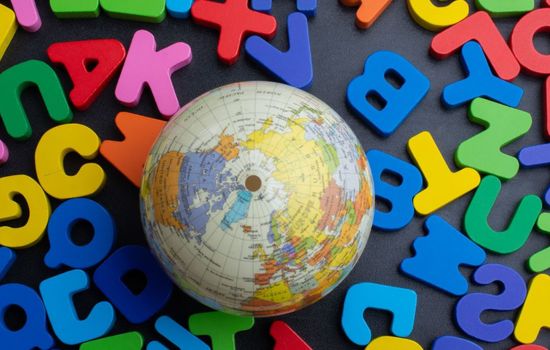
Making Language Learning Apps Work for You
Language learning applications have democratized access to quality language education, making fluency achievable for anyone with smartphone access and consistent dedication. These tools cannot replace immersion or human interaction entirely, but they provide exceptional foundations and flexible practice that traditional methods struggle to match.
Success requires more than downloading popular apps, however. Strategic selection based on your learning style, consistent daily practice, and supplementation with authentic content and conversation practice transform app-based learning from casual dabbling into genuine language acquisition.
The most sophisticated app remains merely a tool—your commitment, consistency, and willingness to embrace mistakes determine whether you achieve conversational fluency or join the majority who abandon language learning after initial enthusiasm fades. Choose your platform wisely, establish sustainable routines, and remember that every native speaker you admire once struggled with basic pronunciation and simple vocabulary.
Your language learning journey begins with a single lesson. With today’s powerful applications, that first step has never been more accessible or engaging. Download an app, complete your first lesson today, and begin discovering the cognitive benefits, career opportunities, and cultural connections that multilingualism provides. 🚀
