Staying organized in today’s fast-paced world can feel overwhelming, but the right application can transform chaos into clarity and boost your productivity effortlessly.
Whether you’re managing personal tasks, coordinating team projects, or simply trying to keep track of your daily commitments, organization apps have become essential tools in modern life. They serve as digital assistants that help you capture ideas, schedule activities, and maintain focus on what truly matters.
The beauty of these applications lies in their versatility and accessibility. With just a few taps on your smartphone or clicks on your computer, you can create systems that adapt to your unique workflow, ensuring nothing falls through the cracks while giving you peace of mind.
📱 Why Organization Apps Have Become Essential
The digital revolution has fundamentally changed how we approach productivity. Gone are the days of scattered sticky notes, forgotten appointments, and misplaced to-do lists. Organization applications consolidate everything into one accessible platform, creating a centralized hub for all your important information.
These tools have evolved far beyond simple task managers. Modern organization apps integrate calendars, note-taking features, project management capabilities, and collaboration tools into seamless experiences. They sync across devices, ensuring you always have access to your information whether you’re at your desk, commuting, or traveling abroad.
The psychological benefits are equally significant. When your tasks and commitments are clearly organized, your mind feels less cluttered. You experience reduced anxiety about forgetting important details and gain a greater sense of control over your life. This mental clarity allows you to focus energy on execution rather than trying to remember what needs doing.
🎯 Core Features That Make Organization Apps Powerful
Understanding what makes an organization app truly effective helps you choose the right tool for your needs. The best applications share several key characteristics that elevate them above simple digital notebooks.
Flexible Note-Taking and Documentation
The foundation of any good organization app is robust note-taking functionality. This goes beyond typing text—modern apps support rich formatting, embedded images, code snippets, mathematical equations, and even audio recordings. You can create quick capture notes for fleeting thoughts or develop comprehensive documentation for complex projects.
The ability to organize notes hierarchically through folders, tags, or database structures adds another dimension. You might create separate workspaces for professional projects, personal goals, creative hobbies, and household management, each with its own organizational logic.
Task Management and Productivity Tracking
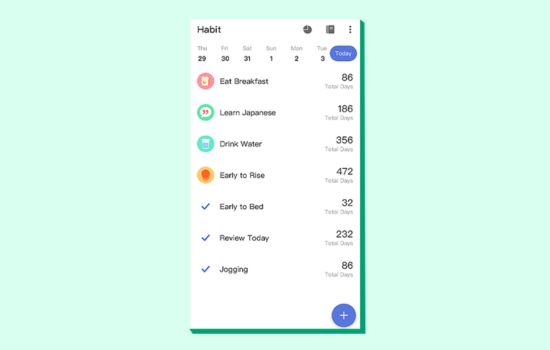
Effective task management transforms intentions into actions. Quality organization apps let you create tasks with due dates, priority levels, and subtasks for complex projects. Recurring tasks automate routine responsibilities, while reminders ensure nothing gets overlooked.
Advanced features include kanban boards for visual workflow management, calendar integration for time-blocking, and progress tracking to monitor completion rates. These tools help you understand not just what needs doing, but when and how to approach it most effectively.
Collaboration and Sharing Capabilities
Few projects exist in isolation today. Organization apps have embraced collaboration, allowing you to share workspaces with teammates, family members, or project partners. Real-time editing means everyone stays synchronized, while commenting features facilitate discussion without endless email chains.
Permission controls let you decide who can view, edit, or manage different sections of your workspace. This flexibility makes the same app suitable for confidential work projects and shared grocery lists alike.
🚀 Transforming Different Areas of Your Life
Organization applications prove their worth across virtually every domain of modern life. Their adaptability means you can customize them to support whatever matters most to you.
Professional Project Management
In professional contexts, organization apps function as command centers for projects of any scale. Create project dashboards that display timelines, deliverables, team responsibilities, and progress metrics at a glance. Document meeting notes with action items that automatically convert into tasks assigned to specific people.
Knowledge management becomes effortless when you build a company wiki within your organization app. New team members can access onboarding materials, process documentation, and company policies in one searchable location. This reduces repetitive questions and accelerates integration.
Academic Success and Learning
Students have discovered that organization apps revolutionize their academic experience. Create separate pages for each course, storing lecture notes, assignment details, reading materials, and study guides. Tag concepts across different courses to reveal interdisciplinary connections you might otherwise miss.
Research projects benefit enormously from these tools. Collect sources, write literature reviews, organize findings, and draft papers all within the same application. Citation management and cross-referencing become straightforward when everything lives in an interconnected system.
Personal Life and Wellness
Beyond work and study, organization apps support personal development and wellbeing. Track fitness goals, meal plans, and health metrics. Create reading lists, maintain a gratitude journal, or document your creative projects. Plan vacations with itineraries, booking confirmations, and packing lists all in one place.
Some users build comprehensive life operating systems within their organization apps—frameworks that encompass goals, habits, finances, relationships, and self-reflection. This holistic approach creates alignment between daily actions and long-term aspirations.
💡 Smart Strategies for Maximum Effectiveness
Simply downloading an organization app won’t automatically make you organized. Success requires thoughtful implementation and consistent use. These strategies help you extract maximum value from your chosen tool.
Start Simple and Expand Gradually
The biggest mistake new users make is trying to build elaborate systems immediately. This leads to overwhelm and abandonment. Instead, start with one simple use case—perhaps a daily task list or project notebook. As you become comfortable, gradually add complexity.
This incremental approach lets you discover what actually works for your personal style rather than copying someone else’s elaborate template. Your organizational system should feel natural, not burdensome.
Develop Consistent Capture Habits
An organization app only helps if you actually use it. Develop the habit of immediately capturing tasks, ideas, and information when they arise. Keep your app easily accessible on your phone’s home screen and bookmark it in your browser.
Many successful users implement a daily or weekly review process. Set aside time to process captured items, update task statuses, and refine your organizational structure. This regular maintenance prevents accumulation of digital clutter.
Leverage Templates for Recurring Needs
Most organization apps support templates—pre-structured pages you can duplicate for repetitive purposes. Create templates for meeting notes, project kickoffs, weekly planning, or travel preparation. This saves time and ensures consistency across similar activities.
Many communities share templates publicly, offering inspiration and ready-made solutions for common organizational challenges. Adapt these to your specific needs rather than starting from scratch every time.
🔄 Integration with Your Digital Ecosystem
Modern organization apps don’t exist in isolation—they connect with other tools in your digital life, creating a seamless information flow across platforms.
Calendar integration ensures your tasks and events appear together, giving you a complete picture of your time commitments. Email integration lets you save important messages directly into relevant project spaces. Cloud storage connections allow you to embed files without duplication.
Browser extensions enable quick capture of web content—articles, images, or entire pages—directly into your organization system. Automation tools like Zapier or IFTTT create sophisticated workflows, automatically populating your workspace with information from other services.
This interconnectedness transforms your organization app from a standalone tool into the central nervous system of your digital life, where information flows intelligently between different platforms.
🌟 Overcoming Common Implementation Challenges
Even the best tools present challenges during adoption. Recognizing these common obstacles helps you navigate them successfully.
Analysis Paralysis and Perfectionism
Some users spend more time designing the perfect organizational system than actually organizing. They watch tutorials, copy elaborate templates, and constantly restructure instead of doing meaningful work. Remember that organization is a means to an end, not the end itself.
Your system doesn’t need to be perfect—it needs to be functional. Embrace imperfection and iterate based on real usage rather than theoretical ideals.
Maintaining Consistency Over Time
Initial enthusiasm often fades, leading to abandoned systems and fragmented information across multiple tools. Combat this by tying your organization app usage to existing habits. Review it during your morning coffee, or make it part of your weekly planning ritual.
When motivation wanes, focus on the benefits you’ve experienced. Track how the app has helped you complete projects, remember important details, or reduce stress. These tangible results reinforce the value of continued use.
Information Overload and Digital Clutter
Ironically, organization apps can become disorganized themselves. Without regular maintenance, they accumulate outdated information, completed tasks, and irrelevant notes. Schedule periodic cleanups where you archive finished projects and delete unnecessary content.
Implement a clear organizational hierarchy from the beginning. Decide on naming conventions, tagging strategies, and archival policies that prevent chaos from accumulating over time.
🎨 Customization and Personalization Options
The most effective organization systems reflect individual preferences and working styles. Modern apps offer extensive customization to align with your unique needs.
Visual customization includes themes, color coding, and icon choices that make your workspace aesthetically pleasing. While this might seem superficial, an environment you enjoy looking at encourages regular engagement.
Functional customization runs deeper. Configure how information displays—list views, gallery views, calendar views, or kanban boards depending on what makes most sense for each type of content. Create custom properties and fields that capture exactly the information you need to track.
Some advanced users employ databases and relational structures that rival professional software solutions. Tasks can link to projects, which connect to goals, which tie to life areas—creating a comprehensive system where everything interconnects meaningfully.
📊 Measuring Success and Continuous Improvement
How do you know if your organization app is actually making you more productive? Establishing metrics helps you assess effectiveness and identify areas for improvement.
Track completion rates for tasks and projects. Are you actually finishing what you start, or do items languish indefinitely? Monitor how often you reference your organization system—daily engagement suggests it’s truly useful, while sporadic use indicates friction points.
Pay attention to how you feel. Reduced stress, increased confidence, and greater clarity about priorities are qualitative indicators that your system works. Notice when you would have forgotten something important but didn’t because your app reminded you.
Regularly evaluate which features you use versus which you ignore. Simplify by removing unused complexity. Conversely, if you find yourself wishing for functionality your current approach lacks, explore whether your app supports it or if adjustments could provide the missing piece.

🔐 Privacy and Security Considerations
When storing important information digitally, security becomes paramount. Understanding how your organization app protects your data ensures peace of mind.
Investigate the app’s encryption practices. End-to-end encryption means even the service provider cannot access your content. Understand where data is stored geographically and under what legal jurisdiction. Review privacy policies to know how your information might be used.
Enable two-factor authentication to prevent unauthorized access even if passwords are compromised. For especially sensitive information, consider apps with local-first storage or self-hosting options that give you complete control.
Regular backups protect against data loss from technical failures or accidental deletion. Many apps include built-in export features—use them periodically to create redundant copies of important information.

✨ The Future of Digital Organization
Organization apps continue evolving rapidly, incorporating emerging technologies that expand their capabilities. Artificial intelligence increasingly assists with tasks like smart suggestions, automatic categorization, and predictive scheduling.
Natural language processing allows you to interact conversationally with your organization system. Instead of manually creating structured data, you might simply write “Meeting with Sarah next Tuesday about the marketing campaign” and watch as your app automatically creates an event, task, and project note.
Voice interfaces and wearable integrations make capture even more frictionless. Imagine asking your smartwatch to add something to your task list while jogging, or having your organization app proactively remind you of commitments based on your location.
Cross-platform experiences will become even more seamless, with your organizational system adapting its interface based on whether you’re using a phone, tablet, computer, or smart display. The goal is making organization so effortless it becomes invisible—simply part of how you naturally work and live.
🌈 Making Organization a Sustainable Practice
The ultimate measure of an organization app’s value isn’t its feature list but whether you’ll still be using it years from now. Sustainability requires finding the sweet spot between structure and flexibility.
Your system should provide enough structure to prevent chaos while remaining flexible enough to accommodate life’s unpredictability. Rigid systems break under pressure; overly loose systems fail to provide value. Experiment until you discover what balance works for your personality and circumstances.
Celebrate small wins. When your organization system helps you meet a deadline, complete a project, or simply remember something important, acknowledge that success. These positive reinforcements strengthen the habit loop that keeps you engaged.
Remember that organization is deeply personal. What works brilliantly for someone else might feel awkward for you. Give yourself permission to adapt popular methods rather than adopting them wholesale. Your organization app should serve you, not the other way around.
As you build competence with your chosen tool, you’ll discover that organization transforms from an obligation into an empowering practice. The mental space created by knowing exactly where everything is and what needs attention allows you to focus on what truly matters—living intentionally, creating meaningfully, and pursuing your most important goals with clarity and confidence.
