Learning a new language opens doors to new cultures, career opportunities, and personal growth. With the right tools, anyone can start speaking a foreign language from the comfort of their smartphone.
Gone are the days when learning a language required expensive classes, heavy textbooks, or living abroad for months. Today’s language learning apps have revolutionized how we acquire new linguistic skills, making education accessible, engaging, and surprisingly effective. Whether you’re preparing for an international trip, advancing your career, or simply challenging your brain, these digital platforms offer personalized experiences that adapt to your pace and learning style.
The beauty of modern language apps lies in their ability to fit seamlessly into our busy lives. You can practice during your morning commute, while waiting for coffee, or before bed. With gamification elements, voice recognition technology, and community features, these apps transform what was once a tedious memorization process into an enjoyable daily habit that keeps you motivated and progressing toward fluency.
🌟 Why Mobile Apps Have Changed Language Learning Forever
The traditional classroom model, while valuable, often fails to provide the repetition and personalized attention that language acquisition truly requires. Mobile apps solve this problem by offering unlimited practice opportunities tailored to individual needs. They track your progress meticulously, identify weak points, and adjust difficulty levels automatically.
Research shows that consistent daily practice, even in short bursts, produces better results than occasional marathon study sessions. Language apps capitalize on this insight by encouraging brief, frequent interactions rather than overwhelming users with lengthy lessons. This microlearning approach aligns perfectly with how our brains naturally process and retain new information.
Another revolutionary aspect is immediate feedback. When you speak into your phone, advanced algorithms analyze your pronunciation instantly, something impossible in traditional textbook learning. This real-time correction accelerates improvement and builds confidence much faster than waiting for a teacher’s assessment days later.

📱 Top Features That Make Language Apps Effective
Not all language learning apps are created equal. The most successful platforms share several key characteristics that maximize retention and engagement. Understanding these features helps you choose the right tool for your specific goals and learning preferences.

Spaced Repetition Systems
The best language apps employ spaced repetition algorithms that present vocabulary and concepts at scientifically optimized intervals. This technique combats the forgetting curve by reintroducing material just as you’re about to forget it, cementing knowledge into long-term memory efficiently.
Rather than cramming hundreds of words in one sitting, these systems ensure you encounter each word multiple times across days or weeks. This approach mirrors how we naturally acquire our first language—through repeated exposure in varying contexts rather than memorization drills.
Gamification Elements
Streaks, points, leaderboards, and achievement badges transform language learning from a chore into a game. These psychological triggers tap into our natural desire for progress and competition, making daily practice something you look forward to rather than dread.
Many users report that maintaining their learning streak becomes a powerful motivator. The fear of breaking a 100-day streak or falling behind friends on the leaderboard provides the gentle push needed on days when motivation runs low.
Multimedia Learning Approaches
Effective apps engage multiple senses simultaneously. You see written words, hear native pronunciation, speak responses, and sometimes even write answers. This multisensory approach creates stronger neural pathways than any single-method instruction could achieve.
Visual learners benefit from illustrated flashcards, auditory learners from listening exercises, and kinesthetic learners from interactive activities. The best platforms blend all these modalities into cohesive lessons that cater to diverse learning styles naturally.
🎯 Choosing the Right App for Your Language Goals
Your choice of language learning app should align with your specific objectives. Are you preparing for a business trip to Tokyo, planning to read French literature in the original, or hoping to connect with your heritage language? Different apps excel at different aspects of language acquisition.
Some platforms focus heavily on vocabulary building and reading comprehension, making them ideal for travelers who need practical phrases quickly. Others emphasize grammatical structure and writing skills, better suited for academic or professional contexts. Still others prioritize conversational fluency through interactive dialogues and speech recognition.
Apps for Beginners Starting from Zero
If you’re completely new to a language, you need an app that introduces concepts gradually without overwhelming you. Look for platforms that start with basic greetings, numbers, and common phrases before diving into complex grammar rules.
The best beginner apps use visual associations and context clues heavily, teaching you to think in the target language rather than constantly translating in your head. They build confidence through early wins—being able to introduce yourself or order food after just a few lessons creates momentum that carries you through more challenging material later.
Intermediate Learners Seeking Conversation Practice
Once you’ve mastered basics, your biggest challenge becomes moving from textbook knowledge to real-world communication. At this stage, apps with community features, language exchange partners, or AI conversation bots become invaluable.
These tools push you beyond fill-in-the-blank exercises into unpredictable conversational territory where you must think on your feet. Making mistakes with a patient app or understanding language partner is far less intimidating than fumbling through your first real-world interaction unprepared.
Advanced Students Polishing Fluency
For advanced learners, language apps offer specialized content that’s often difficult to find elsewhere. Podcasts, news articles, literature excerpts, and technical vocabulary in specific fields help you transcend basic competency and develop true sophistication in your target language.
At this level, you benefit most from apps that provide authentic native content with adjustable difficulty levels. Being able to read a newspaper article with clickable definitions or listen to a podcast with transcript support bridges the gap between classroom proficiency and real-world fluency.
💡 Maximizing Your Progress with Smart Learning Habits
Even the best language app won’t work miracles without consistent effort and smart study habits. The difference between users who achieve fluency and those who quit after a few weeks often comes down to how they integrate app-based learning into their broader routine.
Set realistic goals that focus on consistency rather than intensity. Completing one lesson daily beats occasional three-hour marathons. Your brain needs time to consolidate new information, and sleep plays a crucial role in memory formation, so regular practice across many days outperforms cramming every time.
Creating a Sustainable Daily Practice Routine
Link your language practice to an existing habit—review vocabulary with your morning coffee, complete a lesson during your commute, or practice pronunciation while preparing dinner. This “habit stacking” technique makes language learning automatic rather than requiring constant willpower.
Schedule your practice for times when your brain is most alert. For most people, this means morning or early afternoon rather than late evening when fatigue makes concentration difficult. Even fifteen minutes of focused practice beats thirty minutes of distracted scrolling through lessons.
Supplementing Apps with Real-World Exposure
While apps provide structured learning, authentic immersion accelerates fluency dramatically. Watch shows in your target language with subtitles, listen to music, follow social media accounts, or change your phone’s interface language. These activities transform passive vocabulary into active recognition.
Seek out language exchange partners through apps or local meetups. Speaking with real humans, despite the discomfort, reveals gaps that algorithm-based lessons miss. The awkwardness of your first conversation becomes a powerful learning experience that motivates improvement far more than completing another digital lesson.
🌍 Popular Languages and Their Unique Learning Challenges
Different languages present distinct obstacles that apps address with varying success. Understanding these challenges helps set realistic expectations and choose platforms with targeted support for your chosen language.
Romance Languages: Spanish, French, Italian, Portuguese
These languages share Latin roots and many structural similarities, making them relatively accessible for English speakers. Apps excel at teaching Romance languages because their straightforward pronunciation rules and familiar alphabet reduce technical barriers.
The main challenge lies in gendered nouns and verb conjugations. Quality apps introduce these concepts gradually through pattern recognition rather than overwhelming grammar tables, letting you internalize rules through exposure before formalizing them.
Asian Languages: Mandarin, Japanese, Korean
Non-alphabetic writing systems represent the biggest hurdle for Western learners. The best apps for Asian languages incorporate character recognition exercises, stroke order animations, and extensive reading practice to demystify written forms.
Tonal languages like Mandarin require apps with robust speech recognition that can distinguish subtle pitch variations. Japanese presents unique challenges with its three writing systems, demanding apps that clearly explain when to use hiragana, katakana, and kanji appropriately.
Germanic Languages: German, Dutch, Swedish
English speakers find Germanic languages moderately challenging due to shared vocabulary roots but different grammatical structures. German’s case system and compound words require apps that break down complex concepts into digestible patterns.
Pronunciation poses less difficulty than with Romance or Asian languages, but gender agreements and word order variations need consistent practice that good apps provide through varied exercise types.
🚀 Advanced Features That Set Premium Apps Apart
While free versions of language apps offer substantial value, premium subscriptions unlock features that can significantly accelerate learning. Understanding what you get for your money helps you decide whether upgrading makes sense for your situation.
Offline Access and Downloaded Lessons
Premium tiers typically allow downloading lessons for offline use—essential for commuters in subway systems or travelers in areas with unreliable internet. This feature ensures your practice routine never gets disrupted by connectivity issues.
Offline functionality also preserves cellular data and battery life, making language learning more practical during long flights or road trips where you’d otherwise waste potentially productive hours.
Personalized Learning Paths
Advanced apps use machine learning to analyze your performance patterns and create customized lesson sequences. Instead of following the same path as millions of other users, you receive exercises targeted at your specific weaknesses and learning pace.
This personalization becomes increasingly valuable as you progress. Beginners might follow similar paths, but intermediate and advanced learners benefit enormously from curriculum adaptation based on their individual struggles and strengths.
Human Tutoring and Expert Feedback
Some premium apps connect you with native speakers for live conversation practice or provide professional evaluation of your speaking and writing. This human element catches nuances that automated systems miss and offers cultural insights no algorithm can replicate.
While more expensive, these hybrid approaches combine app convenience with human expertise, creating a powerful learning environment that addresses both structured skill-building and authentic communication practice.
📊 Measuring Progress and Staying Motivated Long-Term
Language learning is a marathon, not a sprint, and maintaining motivation over months or years requires strategic milestone setting and progress tracking beyond simple app statistics.
Set specific, measurable goals tied to real-world applications rather than vague aspirations like “become fluent.” Aim to hold a five-minute conversation, read a children’s book, or watch a movie without subtitles. These concrete targets provide clear evidence of progress when motivation wanes.
Celebrating Small Victories Along the Way
Acknowledge achievements that apps might not highlight—understanding a song lyric, deciphering a restaurant menu, or recognizing words in a overheard conversation. These moments prove your learning has real-world value beyond digital badges.
Document your journey through voice recordings, journal entries in your target language, or videos of yourself speaking. Reviewing these archives after weeks or months provides undeniable proof of improvement during inevitable plateaus when progress feels invisible.
Overcoming Plateaus and Learning Fatigue
Every language learner hits periods where advancement seems to stall. Apps can’t teach their way through these plateaus alone—they require strategy shifts. Try focusing exclusively on listening comprehension for a week, or dive deep into one grammatical concept instead of broad practice.
Sometimes the best solution is temporary diversification. Supplement your primary app with a different platform that approaches the same material from a fresh angle. This variety prevents burnout while reinforcing core concepts through alternative presentation styles.
🔮 The Future of Language Learning Technology
Artificial intelligence and virtual reality are transforming language education in ways that seemed like science fiction just years ago. Understanding emerging trends helps you anticipate which skills and platforms will matter most in coming years.
AI conversation partners are becoming remarkably sophisticated, offering increasingly natural dialogue practice without judgment. These systems analyze not just grammar but context, idioms, and cultural appropriateness, providing feedback that rivals human tutors in many respects.
Virtual reality creates immersive environments where you practice ordering food in a simulated Tokyo restaurant or navigating a virtual Madrid neighborhood. This spatial context makes vocabulary stick more effectively than traditional flashcards by anchoring words to experiences rather than abstract definitions.
✨ Making Language Learning Part of Your Identity
The most successful language learners don’t view study as a temporary project with an endpoint but as an ongoing aspect of who they are. Apps facilitate this identity shift by integrating language practice so seamlessly into daily life that it becomes as natural as checking email or social media.
Rather than asking whether you have time for language learning, reframe the question: what currently fills that time, and does it align with your goals? Those fifteen minutes of social media scrolling could become fifteen minutes of vocabulary review without reducing your available time at all.
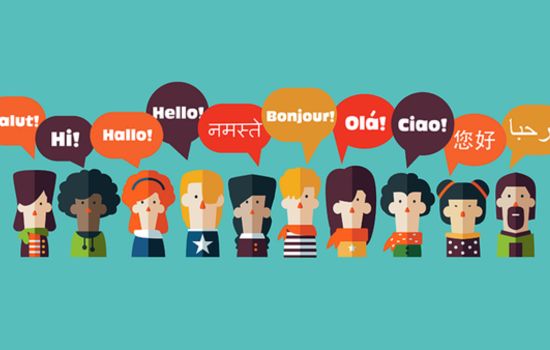
Connect with communities of fellow learners through app forums, social media groups, or local meetups. Surrounding yourself with people who share your linguistic goals reinforces that this journey isn’t an isolated academic exercise but a gateway to a global community of millions pursuing similar aspirations.
Language learning apps have democratized access to education in unprecedented ways. What once required wealth, geographic proximity to quality teachers, or institutional enrollment now fits in your pocket, available anytime you choose to engage. The barrier isn’t technology or resources—it’s simply the decision to begin and the commitment to continue, one lesson at a time, until fluency transforms from distant dream to daily reality.
