Learning a new language has never been more accessible, thanks to innovative apps that turn your smartphone into a personal language tutor available anytime, anywhere.
Gone are the days when mastering a foreign language required expensive classes, heavy textbooks, or rigid schedules. Today’s language learning apps combine cutting-edge technology with engaging methodologies to make the process enjoyable, effective, and surprisingly addictive. Whether you’re preparing for international travel, advancing your career, or simply exploring a new culture, there’s an app designed specifically for your learning style and goals.
The beauty of these digital platforms lies in their flexibility and personalization. They adapt to your pace, celebrate small victories, and transform what was once a daunting challenge into a series of achievable milestones. Let’s explore the world of language learning apps and discover which tools can help you unlock new linguistic horizons.
🎯 Why Language Learning Apps Are Revolutionary
The transformation in language education has been nothing short of remarkable. Traditional classroom settings, while valuable, often struggle to provide the repetition, immediate feedback, and personalized attention that individual learners need. Language learning apps address these gaps brilliantly.
These platforms leverage artificial intelligence to understand your strengths and weaknesses, adjusting difficulty levels in real-time. They use spaced repetition algorithms to ensure vocabulary sticks in your long-term memory, presenting words and phrases at scientifically optimized intervals. This approach mimics how our brains naturally acquire language, making retention significantly more effective than cramming sessions.
Moreover, apps eliminate the fear of embarrassment that often holds learners back in classroom settings. You can practice pronunciation dozens of times without worrying about judgment, experiment with sentence structures freely, and make mistakes privately while building confidence for real-world conversations.
🌟 Top Features That Define Excellent Language Apps
Not all language learning apps are created equal. The most effective platforms share several key characteristics that maximize learning outcomes while keeping users engaged over the long term.

Interactive Lessons That Feel Like Games
The best language apps incorporate gamification elements that trigger the same reward pathways in your brain as playing your favorite games. Points, streaks, leaderboards, and achievement badges transform mundane vocabulary drills into exciting challenges. This psychological approach significantly increases motivation and daily engagement.
Duolingo pioneered this approach with its mascot-driven, level-based system that makes five minutes of practice feel like entertainment rather than study. The dopamine hit from completing a lesson or maintaining a streak keeps millions of users returning daily, building the consistency essential for language acquisition.

Speech Recognition Technology
Pronunciation is often the most intimidating aspect of learning a new language. Advanced speech recognition technology allows apps to listen to your attempts and provide instant feedback, highlighting which sounds need improvement. This feature replicates the correction you’d receive from a native speaker tutor at a fraction of the cost.
Apps like Rosetta Stone have invested heavily in this technology, creating systems that can detect subtle pronunciation errors and guide you toward authentic native-speaker sounds. Regular practice with these tools builds confidence that translates directly to real conversations.
Contextual Learning Instead of Isolated Vocabulary
Memorizing word lists divorced from context is inefficient and boring. Quality language apps present vocabulary within meaningful sentences and real-life scenarios. This contextual approach helps your brain create stronger neural connections, making recall easier when you actually need the words.
Babbel excels in this area, structuring lessons around practical conversations you’re likely to encounter—ordering food, asking directions, making appointments. By learning phrases in context rather than isolated words, you develop the ability to think in your target language rather than constantly translating from your native tongue.
📱 Leading Apps Transforming Language Education
The market offers dozens of language learning apps, each with unique strengths. Understanding what sets the major players apart helps you choose the right tool for your specific needs and learning preferences.
Duolingo: The Gateway to Language Learning
With over 500 million users worldwide, Duolingo has become synonymous with language learning apps. Its free tier provides remarkable value, offering comprehensive courses in over 40 languages. The app’s strength lies in its accessibility—anyone can start learning immediately without financial barriers.
Duolingo’s bite-sized lessons fit perfectly into busy schedules. The famous owl mascot sends gentle (and sometimes hilariously aggressive) reminders to maintain your streak, creating a social contract that encourages daily practice. While critics sometimes note that Duolingo alone won’t make you fluent, it provides an excellent foundation and keeps learners engaged long enough to develop genuine interest in their target language.
Babbel: Professional-Grade Learning
Babbel takes a more structured, curriculum-based approach designed by linguists and language teachers. The app focuses on conversational competence, emphasizing phrases and constructions you’ll actually use in real situations. Lessons build progressively, each reinforcing previous material while introducing new concepts.
The platform offers courses in 14 languages with content tailored to your native language—an important distinction, as Spanish for English speakers differs from Spanish for German speakers. Babbel’s review sessions use spaced repetition to cement learning, and the app tracks which words you struggle with, presenting them more frequently until mastery is achieved.
Rosetta Stone: Immersive Language Acquisition
Rosetta Stone employs an immersive methodology that teaches through images and context without translation. This approach mirrors how children acquire their first language—by associating words with visual concepts rather than translating through another language.
The platform’s TruAccent speech recognition system is industry-leading, providing detailed feedback on pronunciation. Rosetta Stone works particularly well for visual learners and those seeking to think directly in their target language. The comprehensive program covers reading, writing, speaking, and listening with equal emphasis, creating well-rounded language skills.
Memrise: Community-Created Content
Memrise combines expert-designed courses with community-created content, offering incredible variety. Beyond standard language courses, you’ll find specialized modules for medical Spanish, business Japanese, or slang expressions—created by native speakers and enthusiasts worldwide.
The app uses memorable mnemonic devices and humorous associations to make vocabulary stick. Video clips of native speakers in authentic situations provide exposure to real accents, speaking speeds, and cultural contexts that scripted lessons can’t replicate. This authentic content bridges the gap between classroom learning and real-world comprehension.
💡 Maximizing Your Language App Experience
Simply downloading an app won’t make you fluent. Success requires strategic use and consistent effort. These proven strategies help you extract maximum value from your chosen platform.
Consistency Trumps Intensity
Fifteen minutes daily beats a three-hour weekend session every time. Language acquisition depends on regular exposure and repetition. Your brain needs time to process new information and consolidate it into long-term memory. Daily practice, even brief sessions, maintains momentum and prevents the frustration of relearning forgotten material.
Most successful app users treat their language practice like brushing teeth—a non-negotiable daily habit. Anchor your practice to an existing routine: with morning coffee, during commute time, or before bed. This habit-stacking approach makes consistency automatic rather than requiring daily willpower.
Combine Multiple Resources
No single app provides everything you need for true fluency. The most effective learners use apps as their foundation while supplementing with other resources. Watch Netflix shows in your target language, listen to podcasts, read children’s books, or join language exchange communities.
Apps excel at structured learning and vocabulary building, but authentic content exposes you to natural speech patterns, cultural nuances, and regional variations. This combination creates comprehensive competence that pure app learning can’t achieve alone.
Focus on Active Production
Passive recognition—understanding when you see or hear a word—is easier than active production—retrieving the word when you need it in conversation. Many learners fall into the trap of endlessly reviewing lessons they’ve already mastered, staying comfortable but not progressing.
Push yourself toward harder lessons, speaking exercises, and writing practices. These active production activities feel more difficult but create the neural pathways necessary for fluent communication. Embrace the discomfort—it signals growth.
🌍 Choosing the Right App for Your Goals
Your ideal language learning app depends on several factors: your target language, learning style, available time, budget, and ultimate goals. A business professional preparing for overseas work has different needs than a retiree exploring a new hobby.
If you’re learning a widely-studied language like Spanish, French, or German, you’ll have numerous excellent options. For less common languages, your choices narrow considerably. Duolingo and Memrise offer the widest language selection, while Babbel and Rosetta Stone focus on popular languages with highly polished courses.
Visual learners often prefer Rosetta Stone’s image-based approach, while analytical learners appreciate Babbel’s grammatical explanations. Auditory learners benefit from Pimsleur’s audio-focused methodology. Consider trying free trials of several apps before committing to a paid subscription—most platforms offer week-long trials or free basic tiers.
🚀 Advanced Features Worth Considering
As you progress beyond beginner levels, certain advanced features become increasingly valuable. These tools help intermediate and advanced learners continue developing toward fluency.
Conversation Practice with Native Speakers
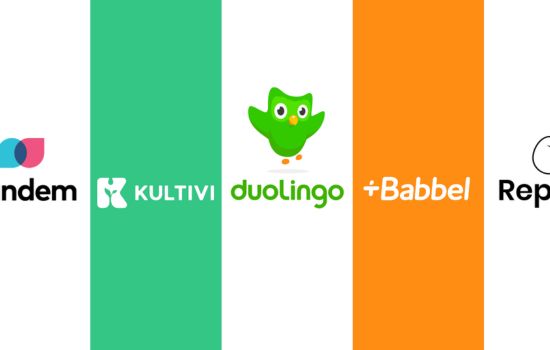
Apps like HelloTalk and Tandem connect you with native speakers worldwide for language exchange. You help someone learn your language while they help you with theirs. These authentic conversations provide invaluable practice that scripted lessons can’t replicate, exposing you to colloquialisms, humor, and cultural context.
Some premium apps now offer on-demand tutoring sessions with professional teachers. iTalki and Preply integrate marketplace features where you can book lessons with certified instructors at various price points, combining app-based structure with personalized human instruction.
Adaptive Learning Algorithms
Sophisticated apps use AI to analyze your performance patterns, identifying specific weaknesses and adapting content accordingly. If you consistently struggle with verb conjugations but excel at vocabulary, the algorithm will adjust your practice mix, dedicating more time to grammar exercises.
This personalization dramatically improves efficiency, ensuring you spend time on areas needing improvement rather than repeatedly reviewing material you’ve already mastered. Platforms like Clozemaster and LingQ use these adaptive systems to create truly personalized learning paths.
📊 Measuring Progress and Staying Motivated
Language learning is a marathon, not a sprint. Maintaining motivation over months and years requires clear progress markers and celebration of milestones. Apps provide various metrics—lessons completed, words learned, streak days—but external validation matters too.
Consider taking standardized proficiency tests like CEFR assessments to measure objective progress. These external benchmarks provide satisfying proof of advancement when app metrics start feeling arbitrary. Many learners also set practical goals: ordering a meal entirely in their target language, watching a movie without subtitles, or reading a novel.
Join online communities dedicated to your target language. Subreddits, Facebook groups, and Discord servers create accountability and provide encouragement during inevitable plateaus. Sharing struggles and victories with fellow learners reminds you that everyone faces similar challenges—and that persistence pays off.
💰 Free vs. Paid: What’s Worth Your Money?
Many quality language apps offer free tiers with substantial content. Duolingo provides its entire curriculum free with ads, while others like Memrise offer limited free content as teasers for paid subscriptions. The question becomes: are premium features worth the investment?
Free versions work wonderfully for casual learners, hobby linguists, or those exploring whether they enjoy language study. If you’re serious about achieving conversational fluency or professional proficiency, premium features typically justify their cost. Offline access, unlimited practice, detailed explanations, and ad-free experiences significantly enhance the learning experience.
Premium subscriptions range from $7 to $15 monthly for most apps, with discounts for annual commitments. Compared to traditional classes costing hundreds or thousands of dollars, even premium apps represent remarkable value. Many platforms offer student discounts, family plans, or seasonal promotions that reduce costs further.
🎓 The Future of Language Learning Technology
Artificial intelligence, virtual reality, and augmented reality are transforming language education in exciting ways. VR apps like Mondly VR create immersive environments where you practice ordering coffee in a Parisian café or navigating Tokyo’s subway—without leaving home.
AI chatbots are becoming increasingly sophisticated, offering conversation practice that feels remarkably natural. These systems provide the patience and availability human tutors can’t match, allowing unlimited practice without scheduling conflicts or hourly fees. As natural language processing improves, these digital conversation partners will become indistinguishable from human interlocutors.
Personalization will deepen as apps gather more data about learning patterns across millions of users. Machine learning will identify the most effective teaching sequences for specific personality types, learning styles, and goals, creating uniquely optimized paths for each individual learner.
🌈 Making Language Learning a Lifelong Journey
The most successful language learners view their journey as ongoing exploration rather than a destination to reach. Fluency isn’t a finish line—it’s a continuous process of refinement, cultural discovery, and cognitive growth. Language apps make this journey accessible and enjoyable, removing barriers that historically prevented millions from experiencing the profound benefits of multilingualism.
Whether you dream of conversing with locals during European travels, connecting with heritage roots, advancing your career in global markets, or simply keeping your mind sharp, language learning apps provide the tools to make those dreams reality. The technology has matured to where effective learning truly fits in your pocket, ready whenever inspiration strikes.
Start small, stay consistent, and embrace the process. Download an app today, commit to just five minutes of daily practice, and watch as those minutes accumulate into competence, confidence, and connection with millions of speakers worldwide. Your future multilingual self will thank you for taking that first step today. 🚀✨
